



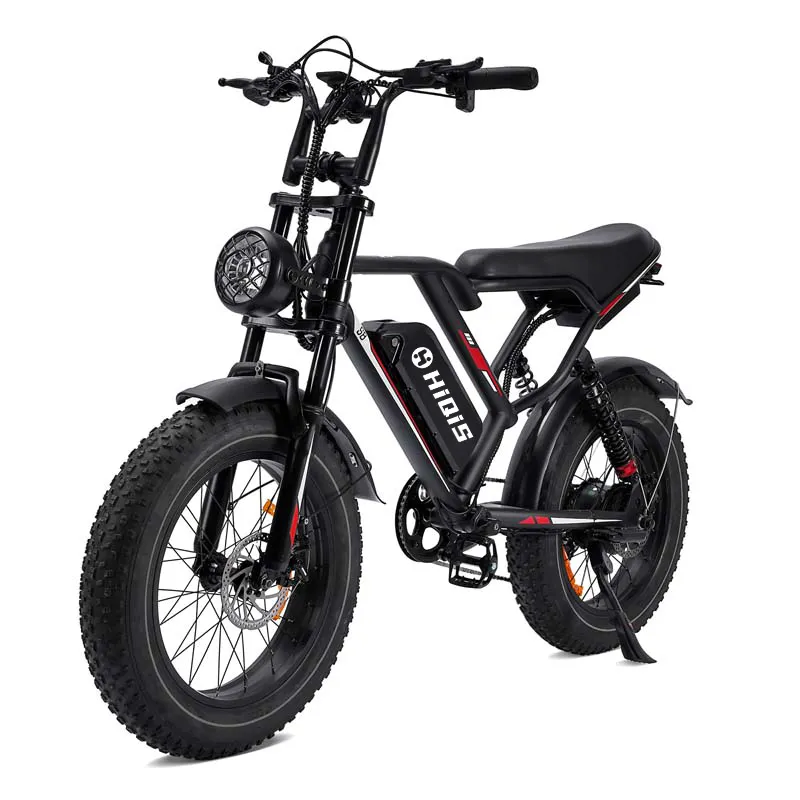
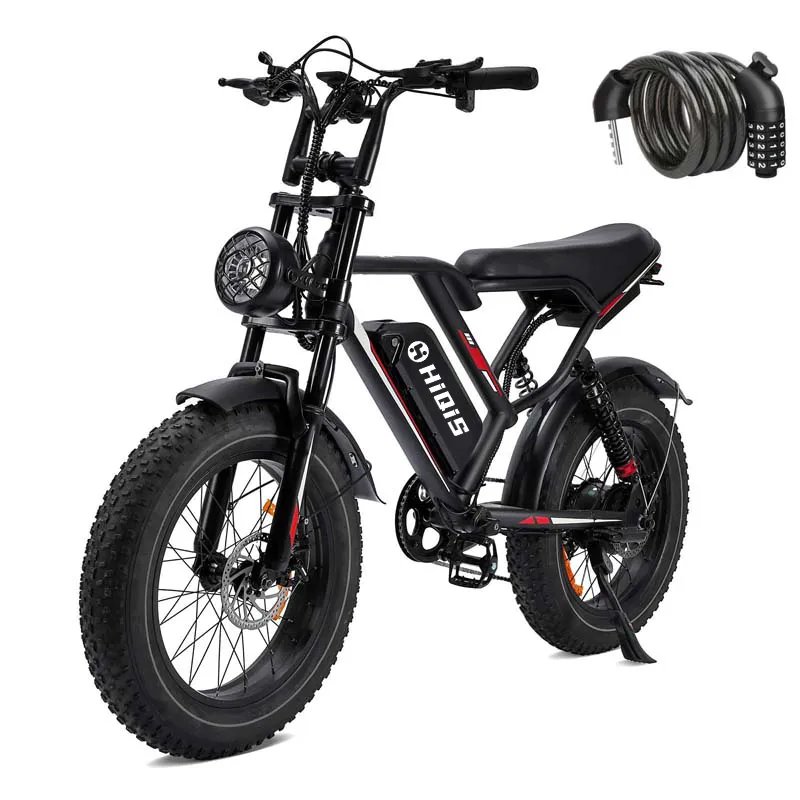
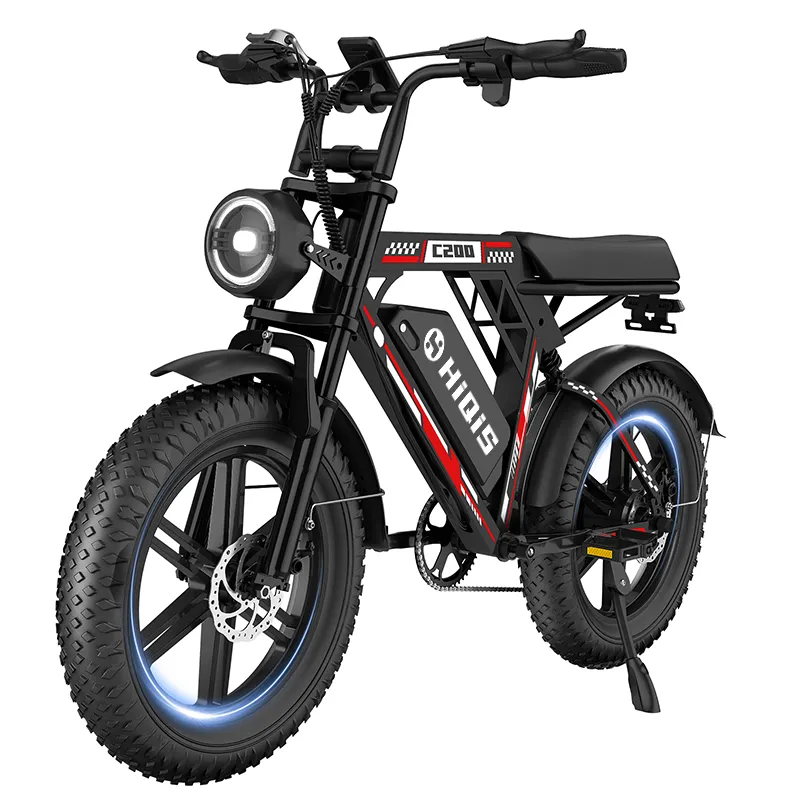
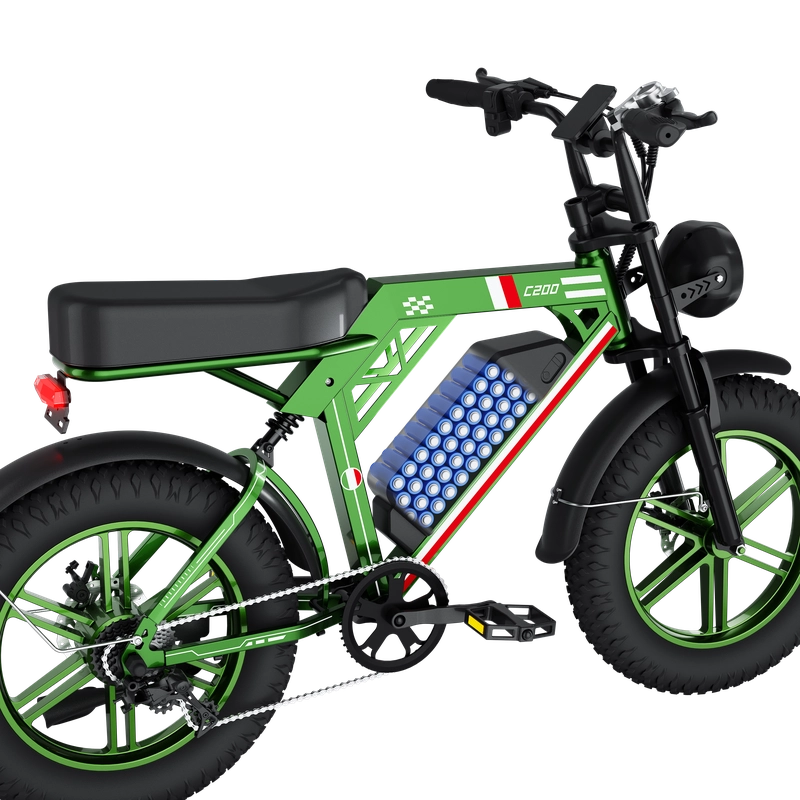
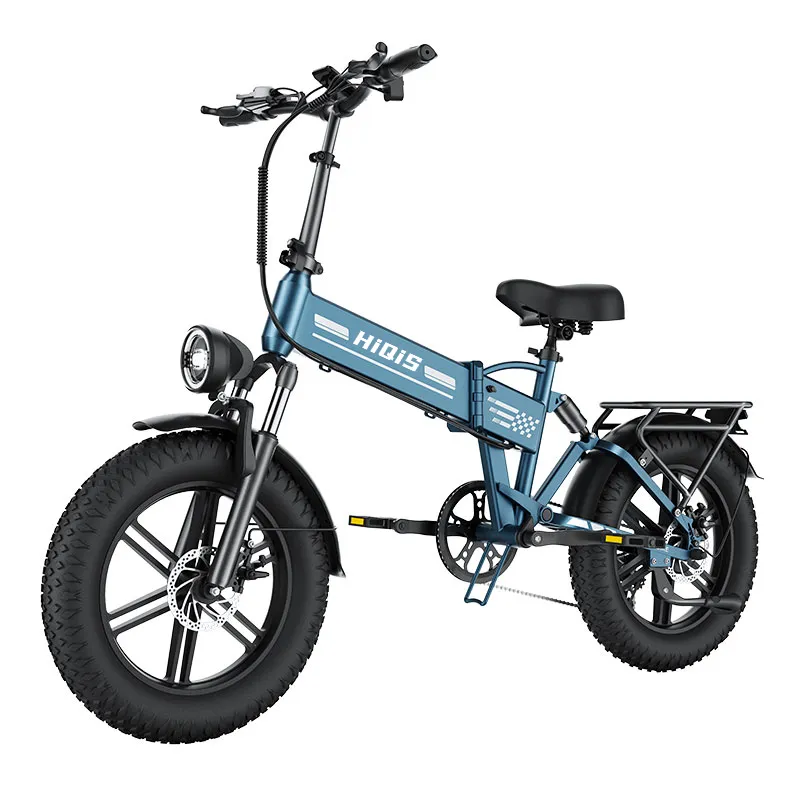
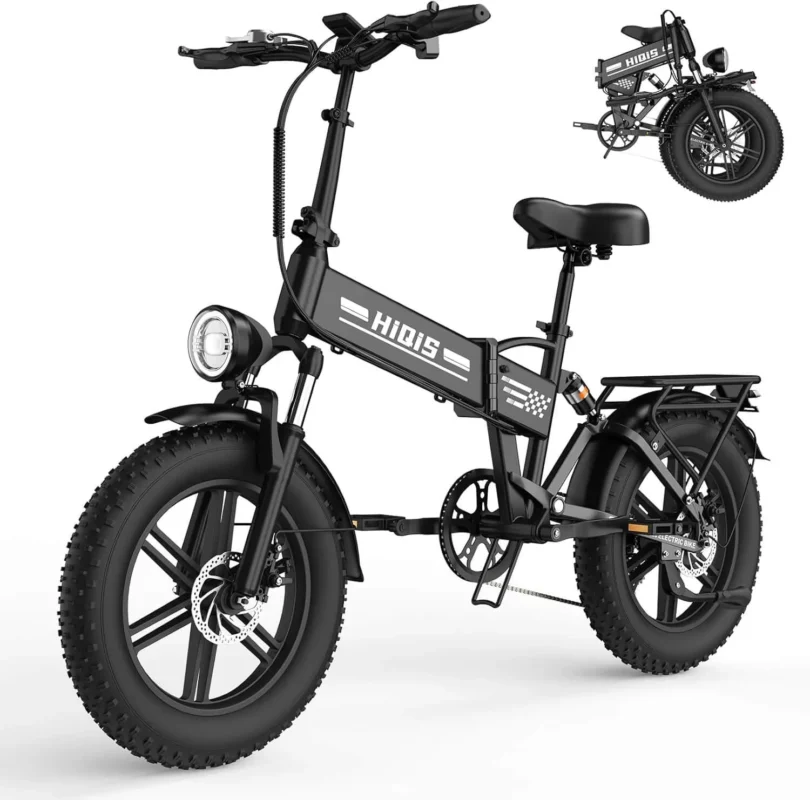
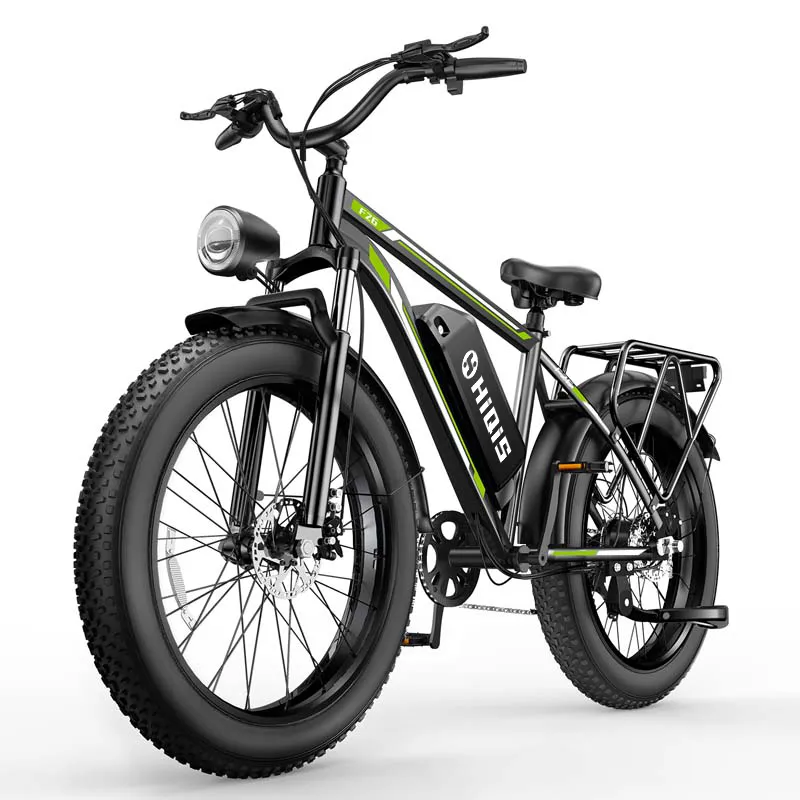


Fat tire electric bikes are designed to handle rough terrain, improve stability, and deliver powerful performance. The fat tire electric bike technology behind these bikes combines advanced engineering in motors, batteries, sensors, and frame design.
Understanding this technology helps riders choose the right e-bike for commuting, off-road adventures, or all-terrain riding.
1. High-Torque Electric Motors
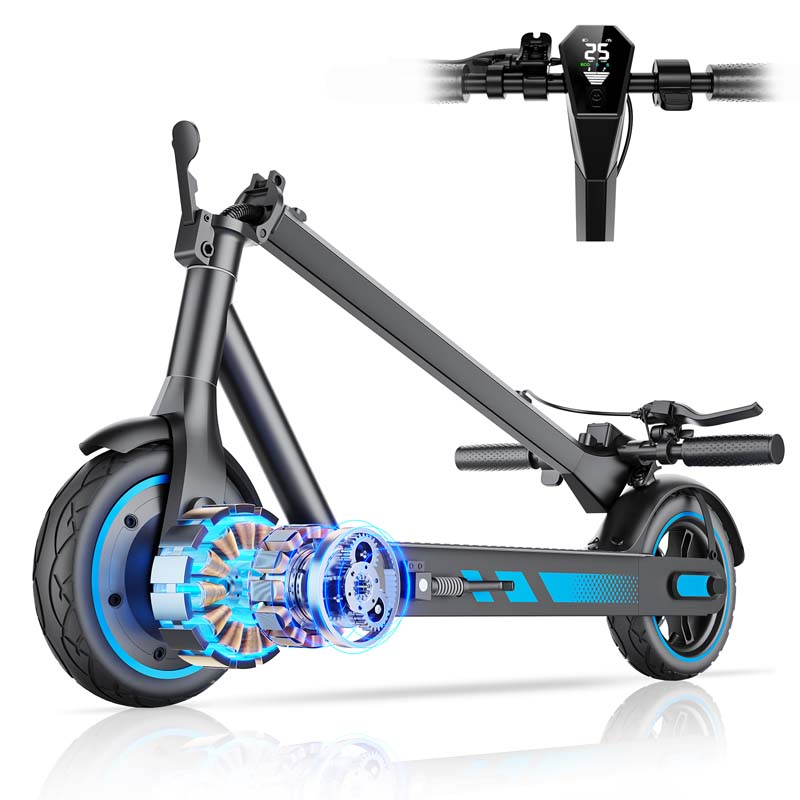
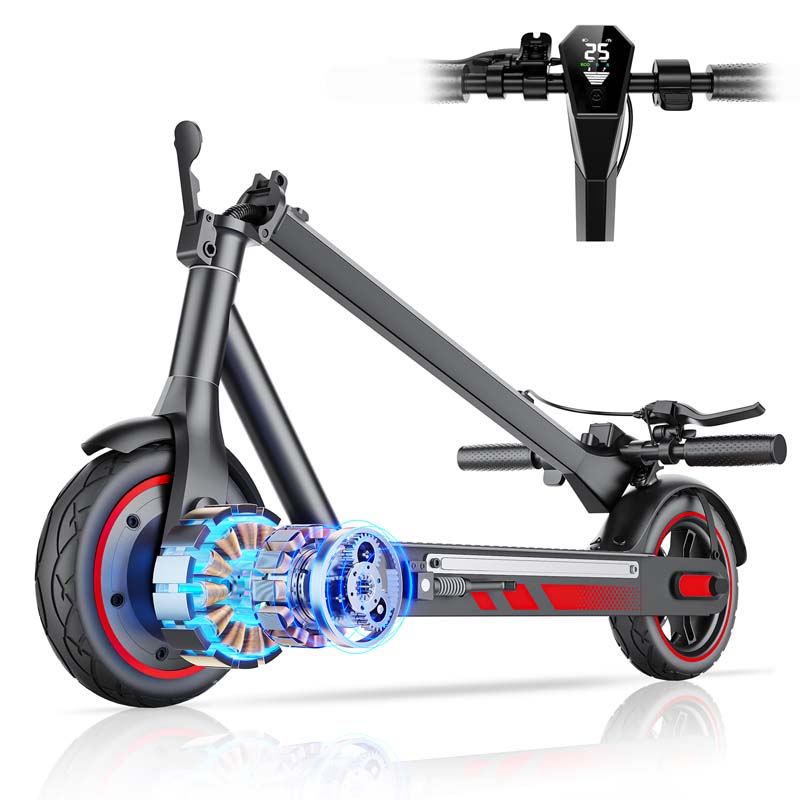
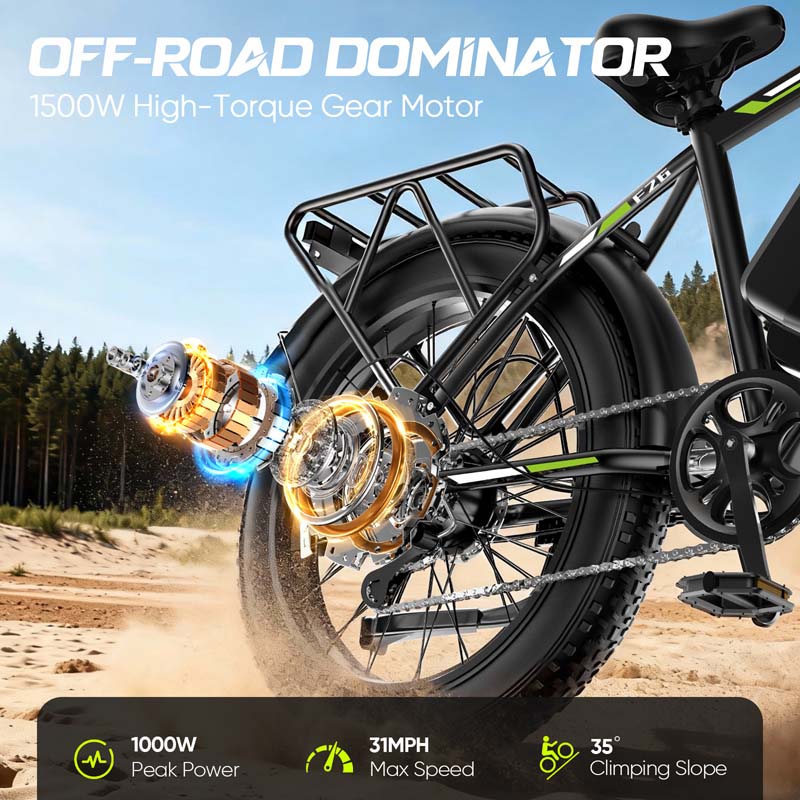
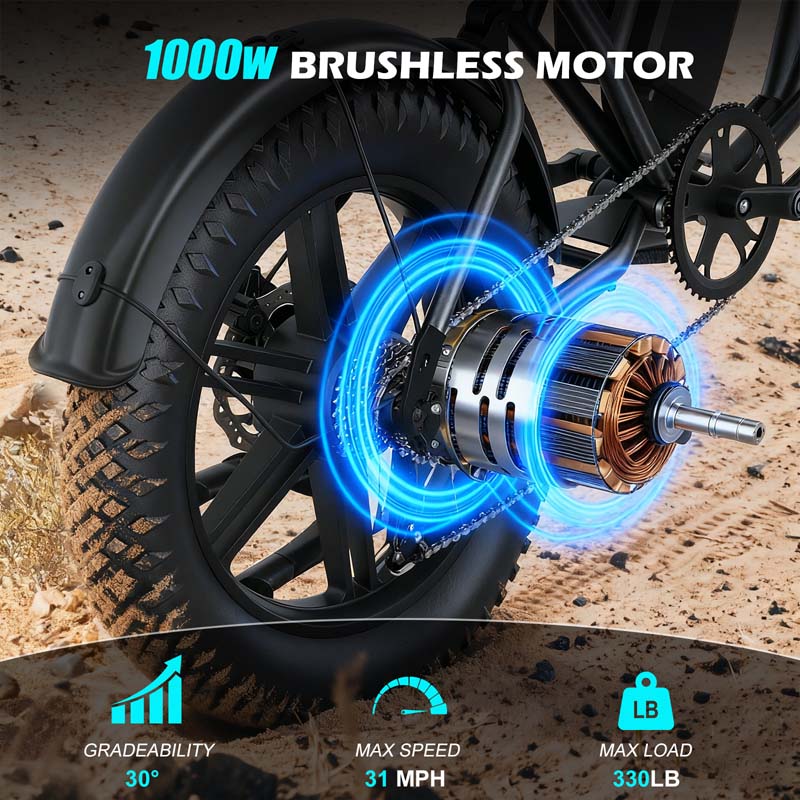
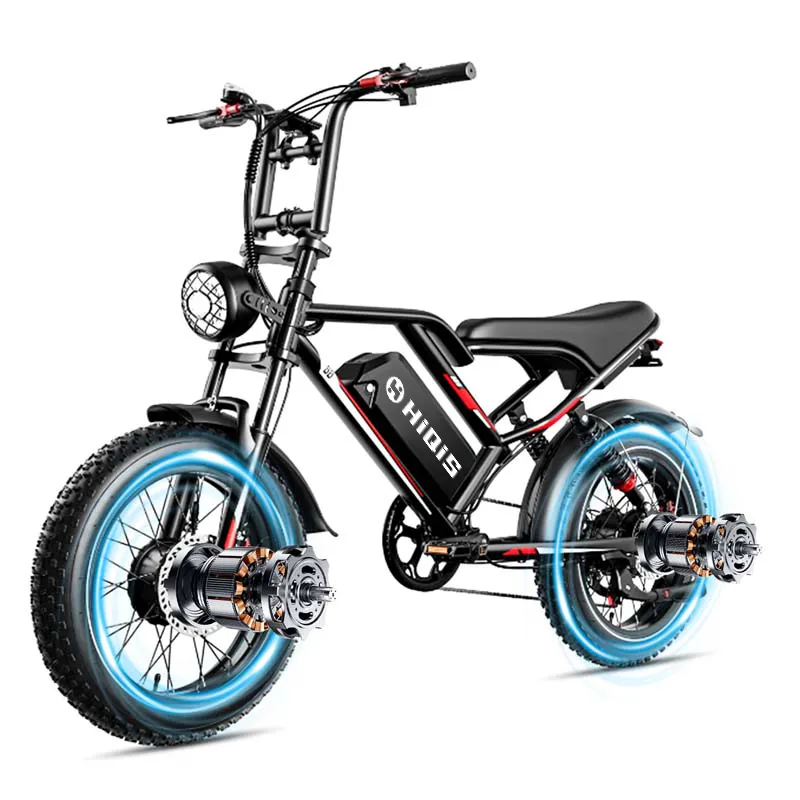
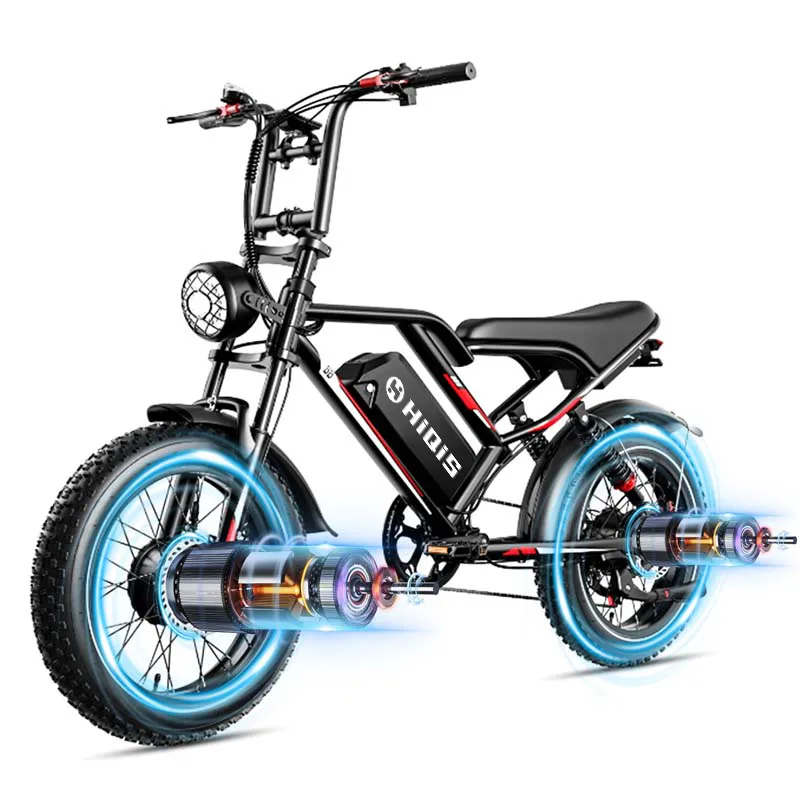
At the core of every fat tire e-bike is a powerful motor. Most models use either hub motors or mid-drive motors.
- Hub motors: Located in the wheel, offering simplicity and low maintenance
- Mid-drive motors: Positioned near the pedals for better balance and torque
Fat tire e-bikes often use motors ranging from 500W to 1000W or more, allowing them to handle sand, snow, hills, and uneven terrain with ease.
2. High-Capacity Lithium Batteries
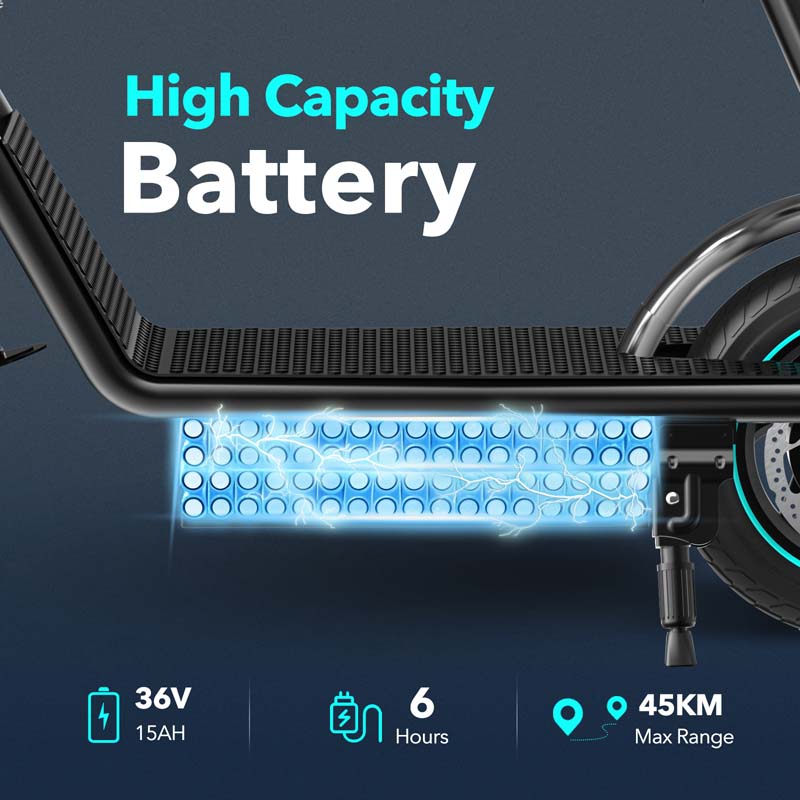
Battery technology is another key part of fat tire electric bike technology. Most modern e-bikes use lithium-ion batteries due to their efficiency, lightweight design, and long lifespan.
Typical batteries range from 48V to 52V, providing enough energy for long-distance riding and off-road performance.
Advanced battery management systems (BMS) help protect against overcharging, overheating, and deep discharge, improving safety and durability.
3. Wide Tire Engineering for Stability
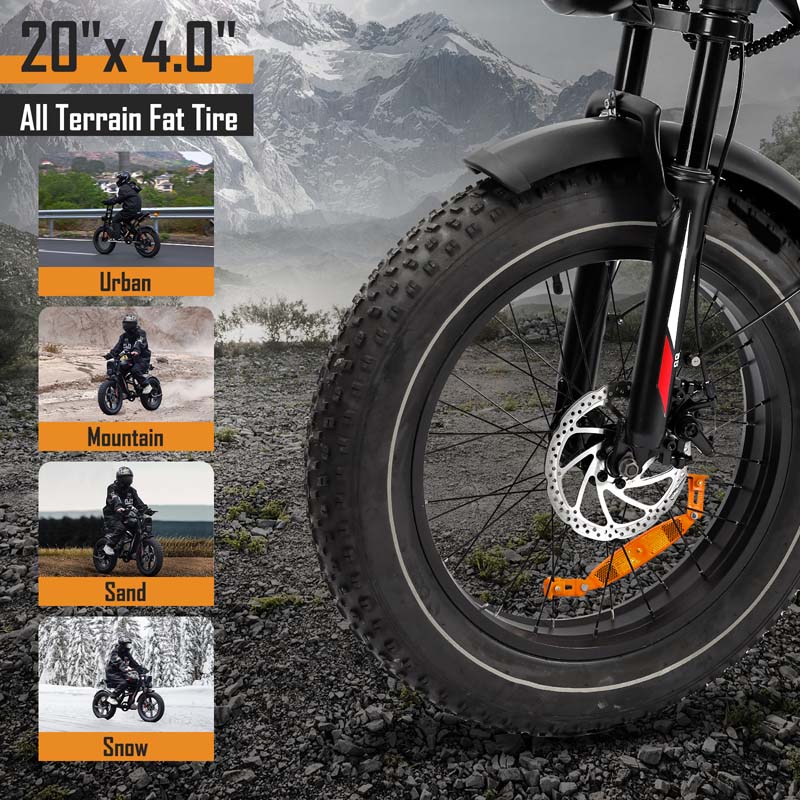
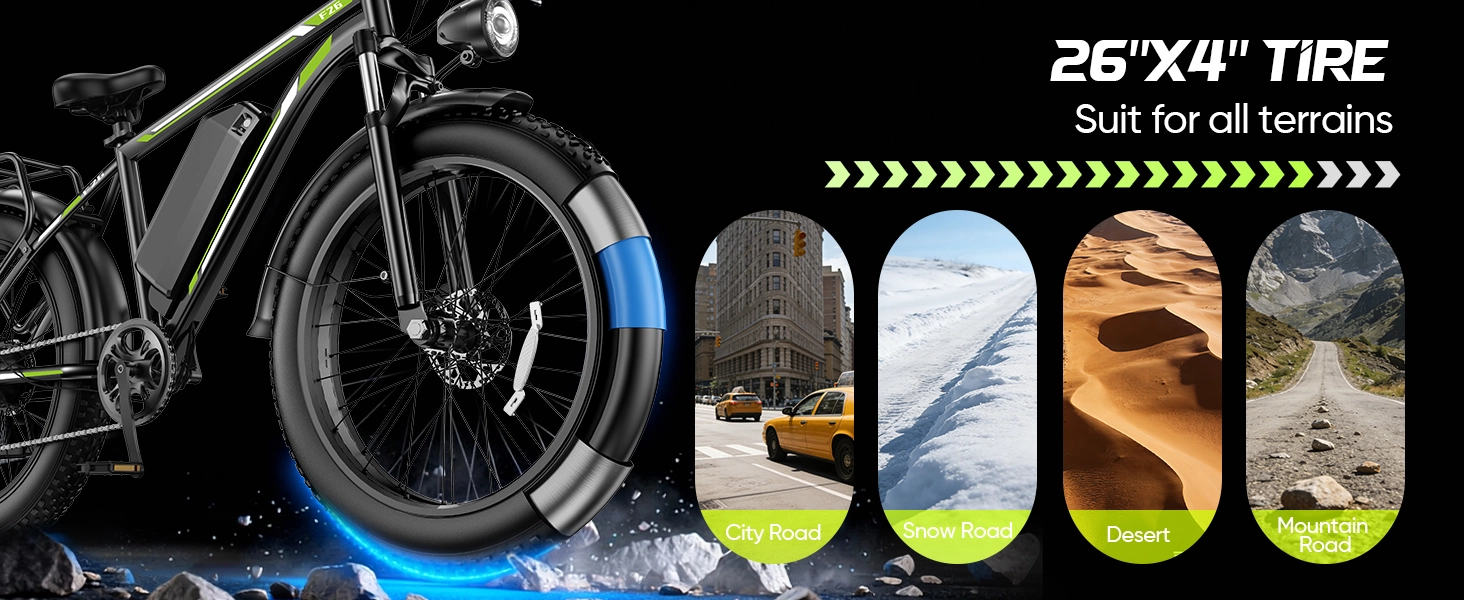
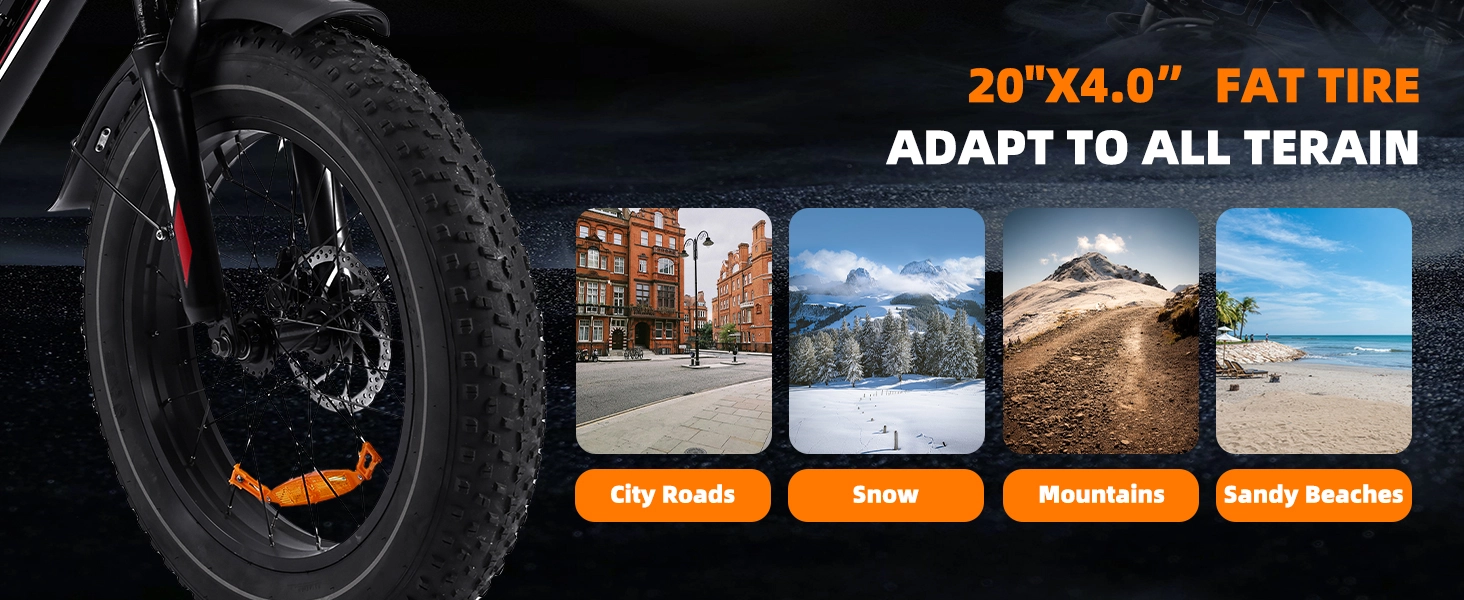
Fat tires are one of the most distinctive features of these bikes. Their width (usually 4 inches or more) increases surface contact, improving grip and balance.
This design allows riders to travel across unstable surfaces such as sand, mud, snow, and gravel without losing control.
4. Smart Pedal Assist Systems (PAS)
Modern fat tire e-bikes include pedal assist systems that detect how hard the rider is pedaling and automatically provide motor support.
- Improves energy efficiency
- Extends battery range
- Provides a natural riding feel
Some advanced systems use torque sensors for more precise and responsive assistance compared to basic cadence sensors.

5. Durable Frame and Suspension Systems
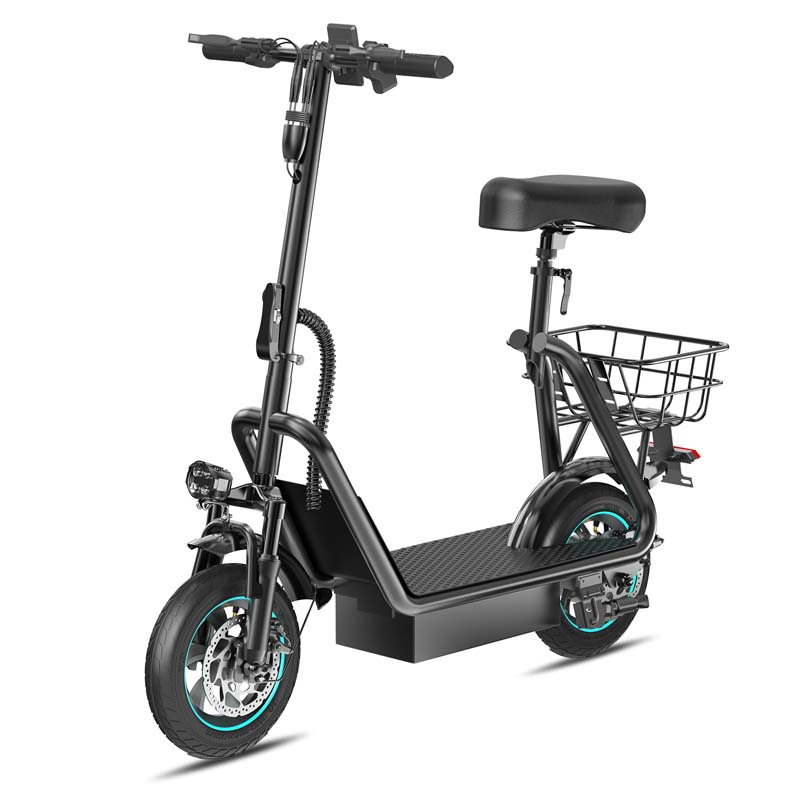
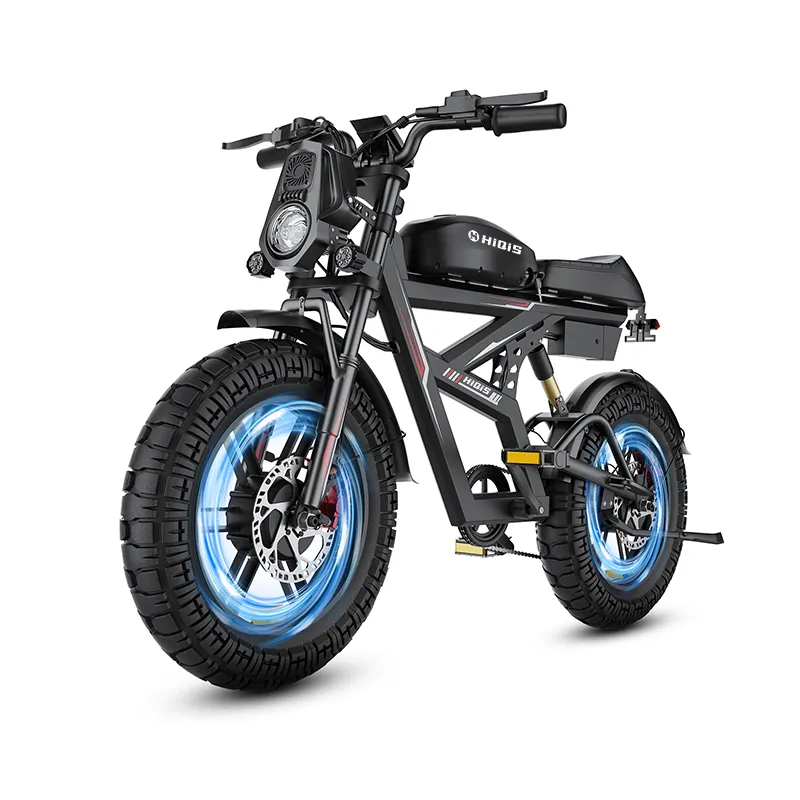
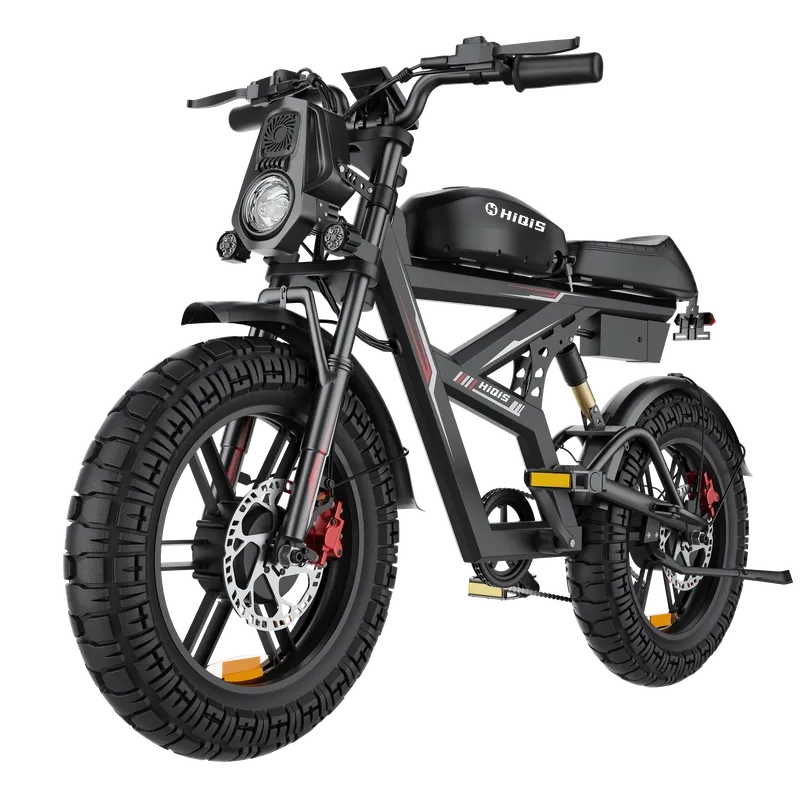
Because fat tire e-bikes are used in off-road conditions, their frames are built from reinforced aluminum or steel alloys. These materials provide strength without excessive weight.
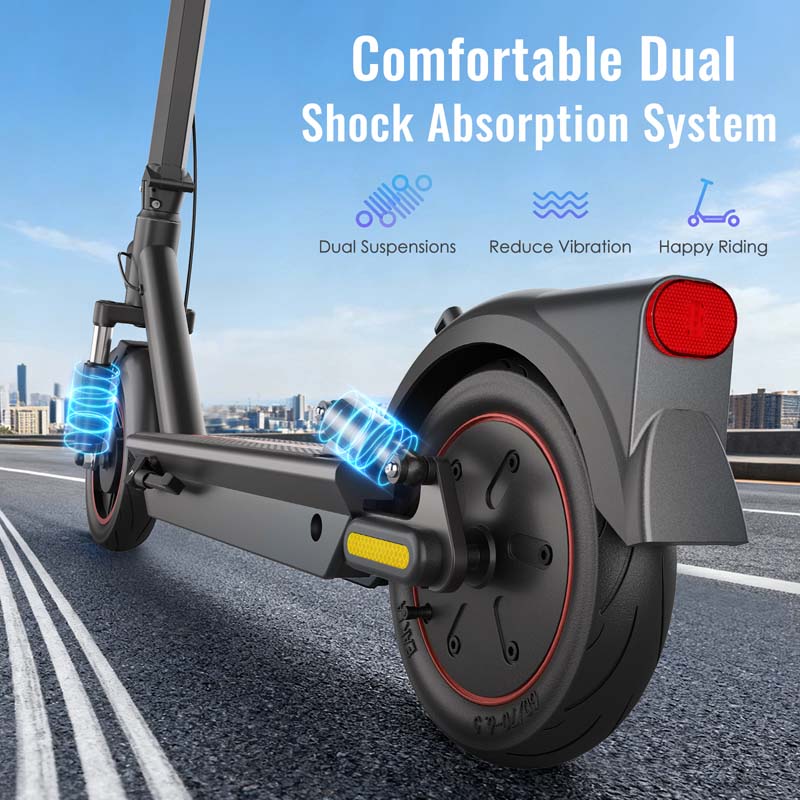
Many models also include front or full suspension systems that absorb shocks from rough terrain, improving rider comfort and control.
6. Regenerative and Smart Features
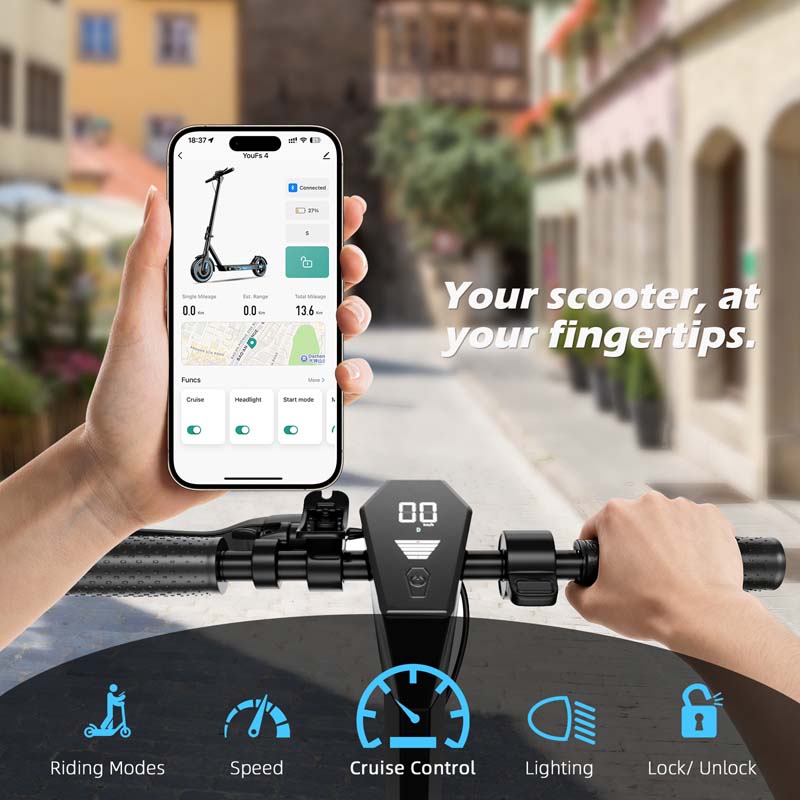
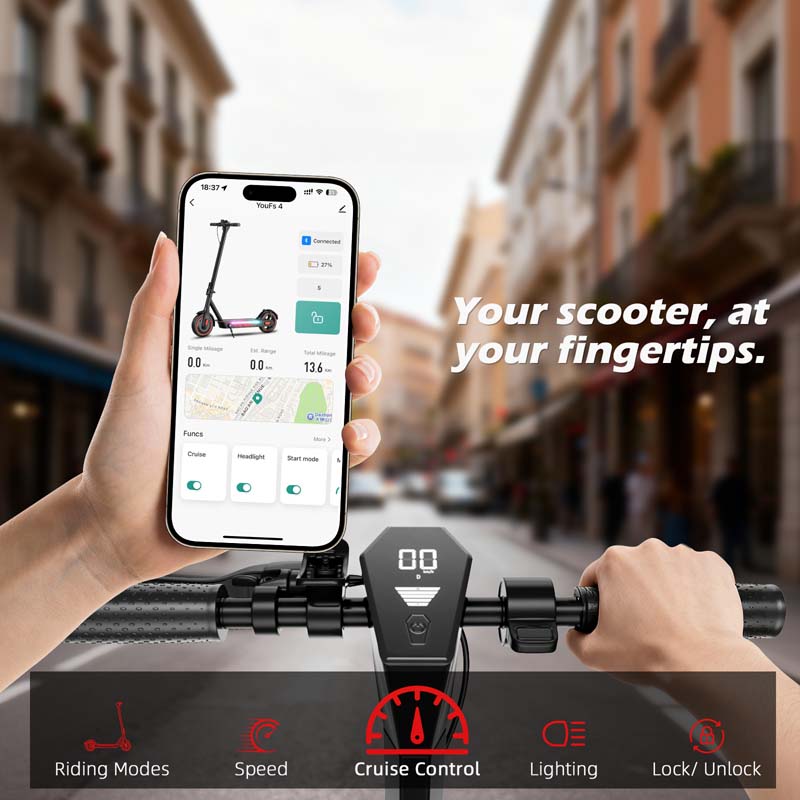
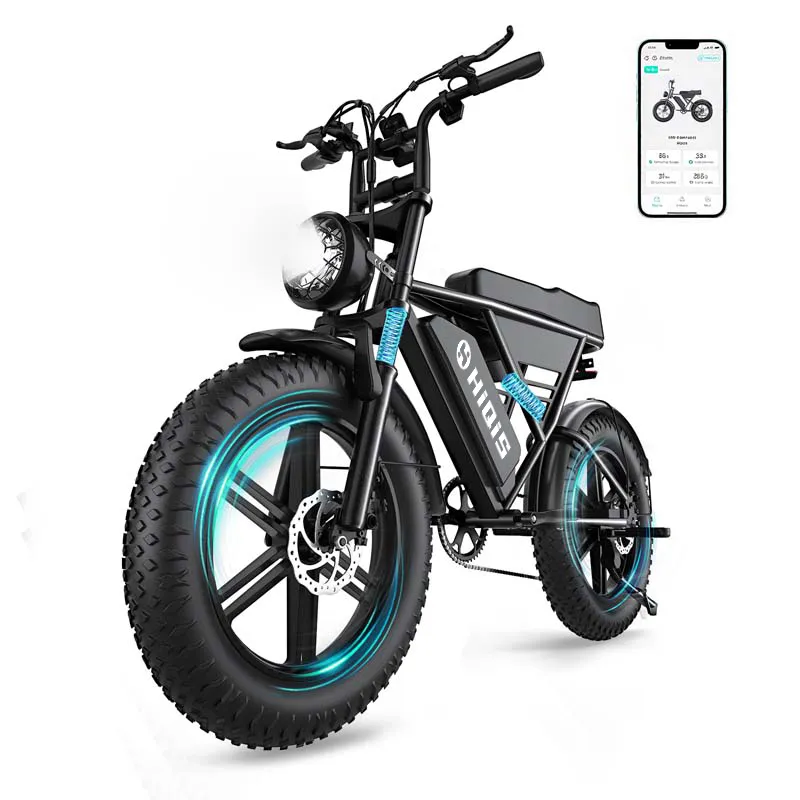
Some modern fat tire e-bikes include smart features such as regenerative braking, digital displays, and mobile app connectivity.
- Battery level monitoring
- Speed and distance tracking
- Ride mode selection
- Energy recovery during braking (on select models)
Conclusion
The fat tire electric bike technology combines powerful motors, advanced battery systems, intelligent sensors, and durable engineering to create a highly capable all-terrain vehicle.
This technology allows riders to enjoy greater stability, improved performance, and enhanced comfort whether commuting in the city or exploring off-road trails.
As innovation continues, fat tire e-bikes will become even more efficient, intelligent, and versatile.
Frequently Asked Questions
What makes fat tire e-bikes different from regular e-bikes?
They use wider tires, stronger motors, and reinforced frames to improve stability and off-road capability.
What motor is best for fat tire electric bikes?
Motors between 500W and 1000W are commonly used for balanced power and efficiency.
How long do fat tire e-bike batteries last?
Most lithium batteries last 3–5 years depending on usage and charging habits.
Are fat tire e-bikes good for commuting?
Yes. They offer comfort, stability, and power, making them suitable for both urban and off-road riding.