


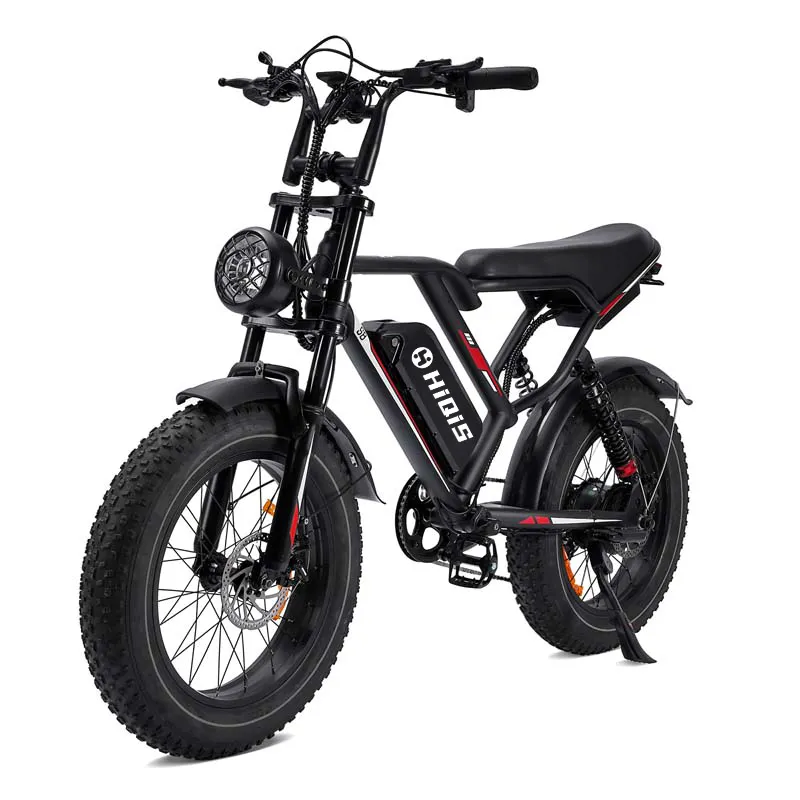
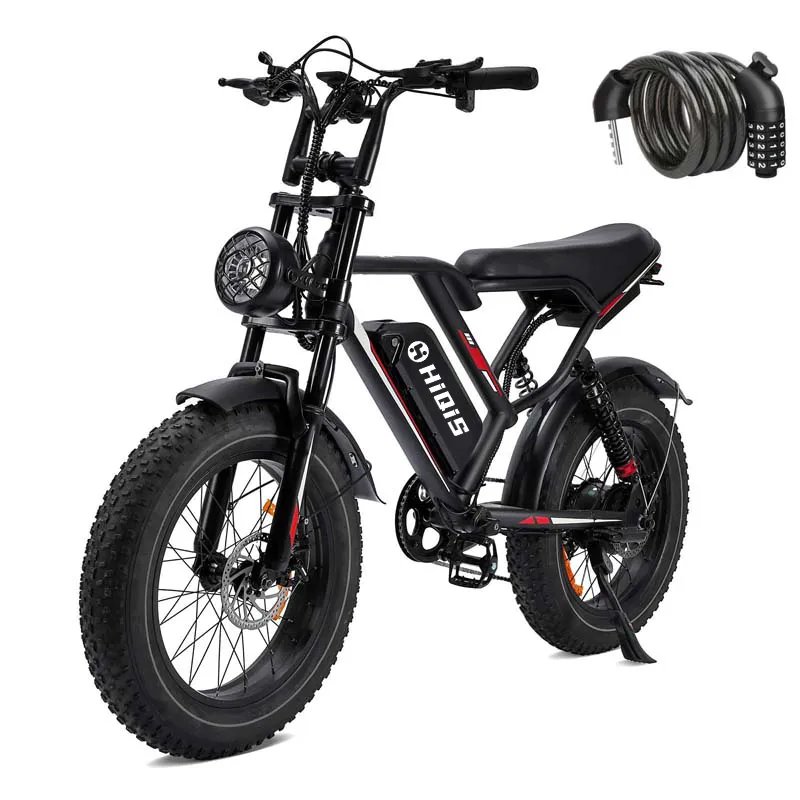
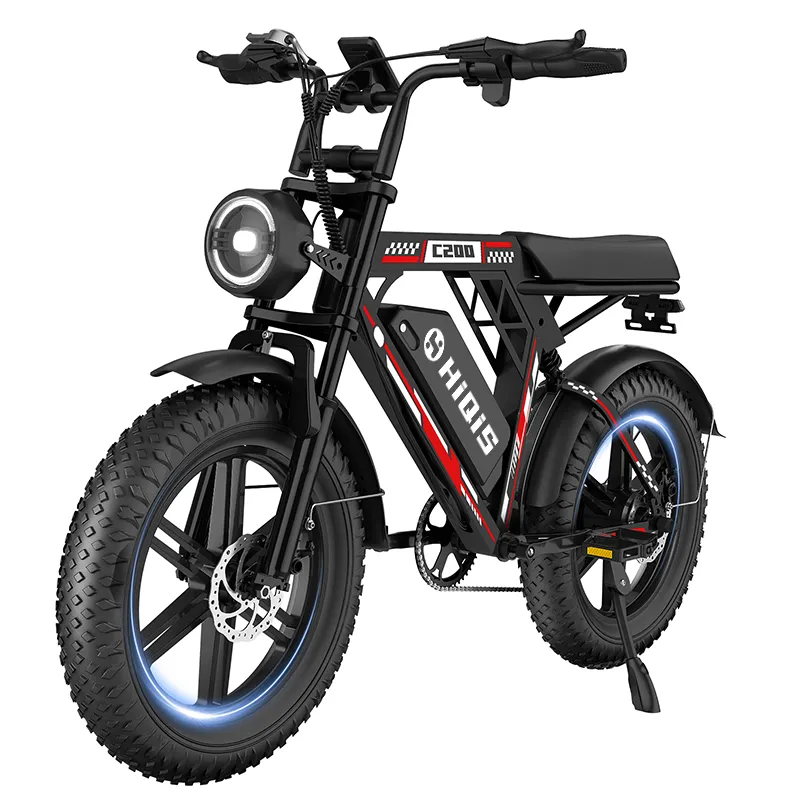
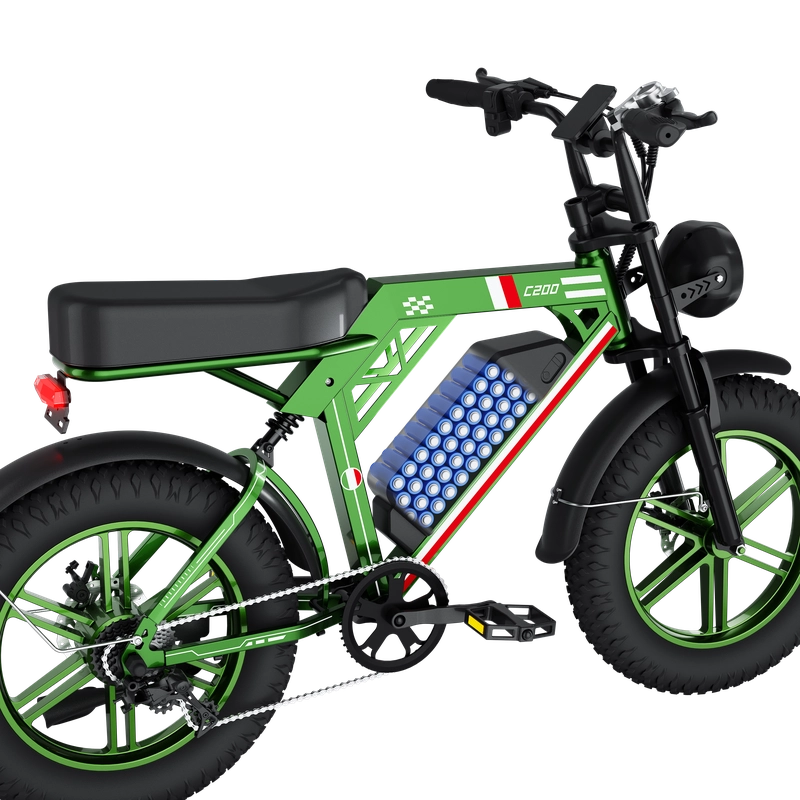
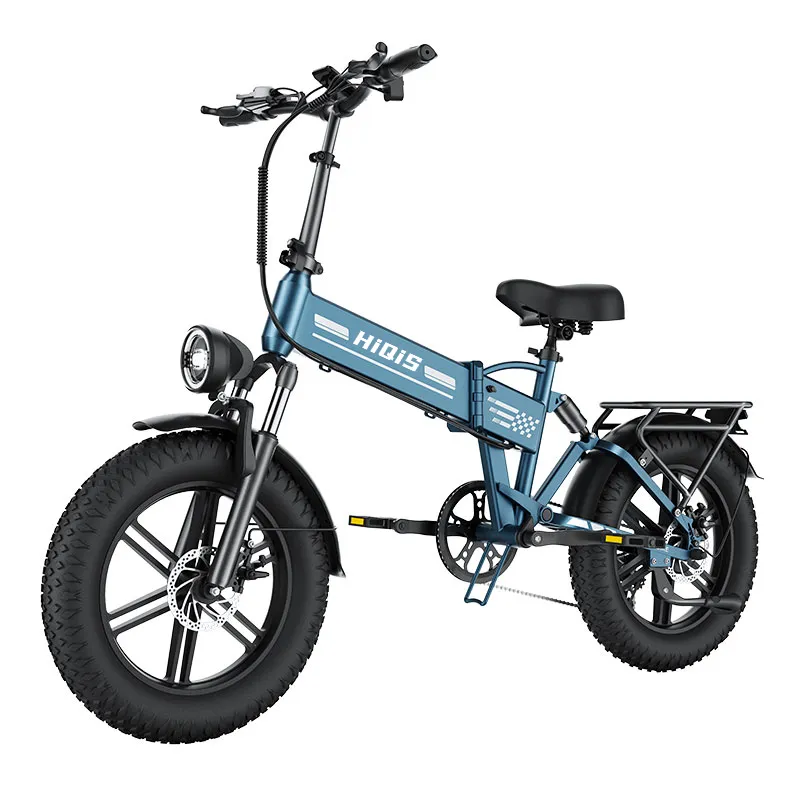
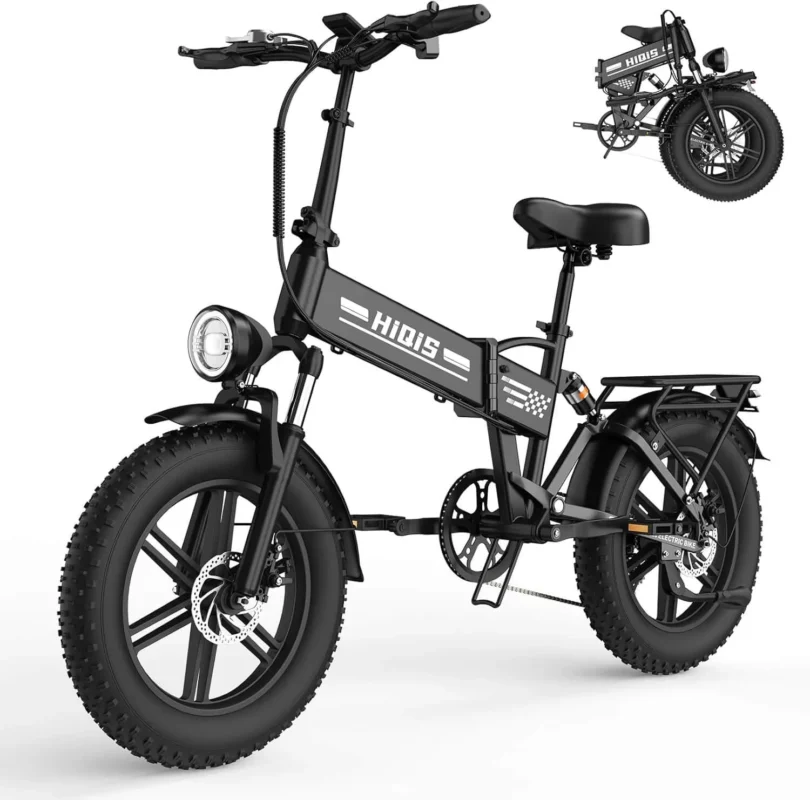
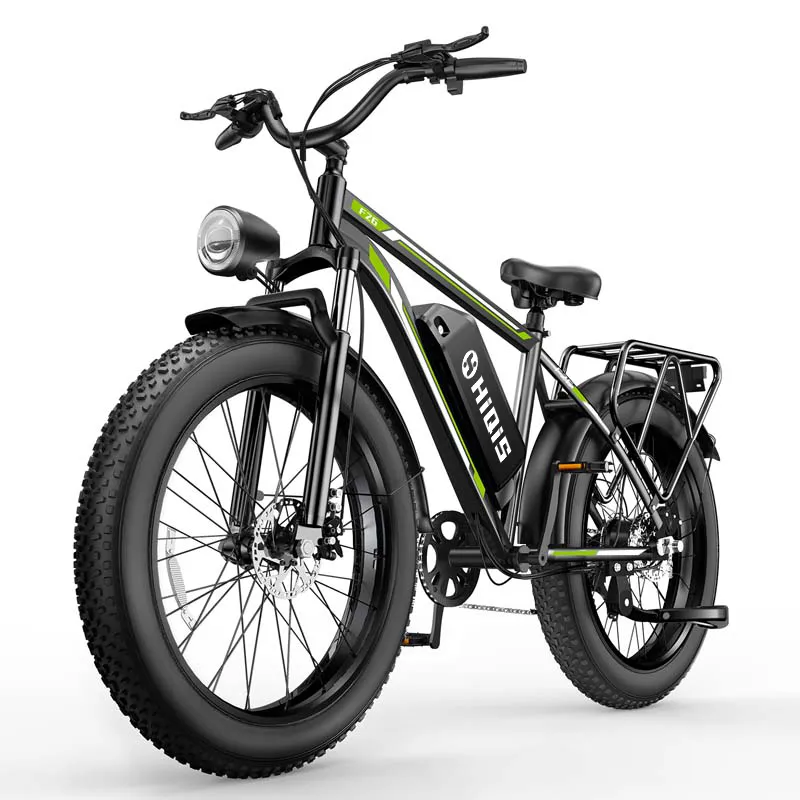
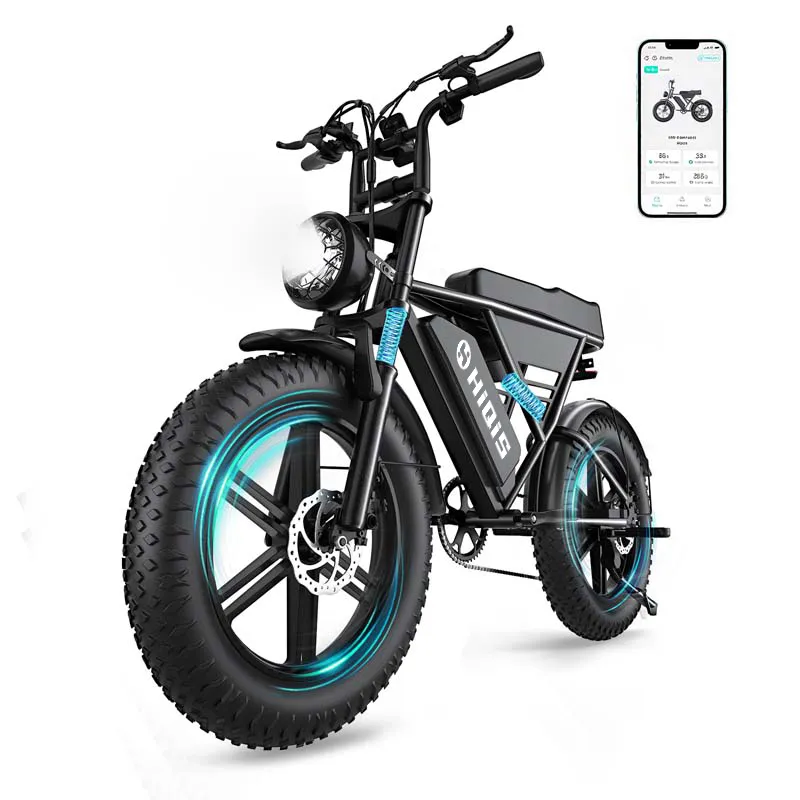
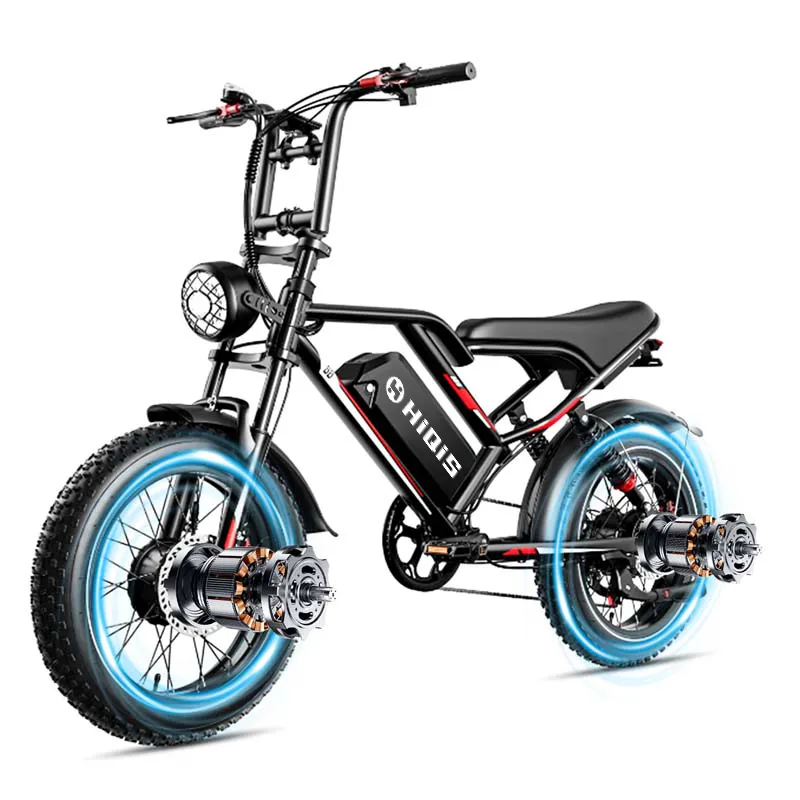
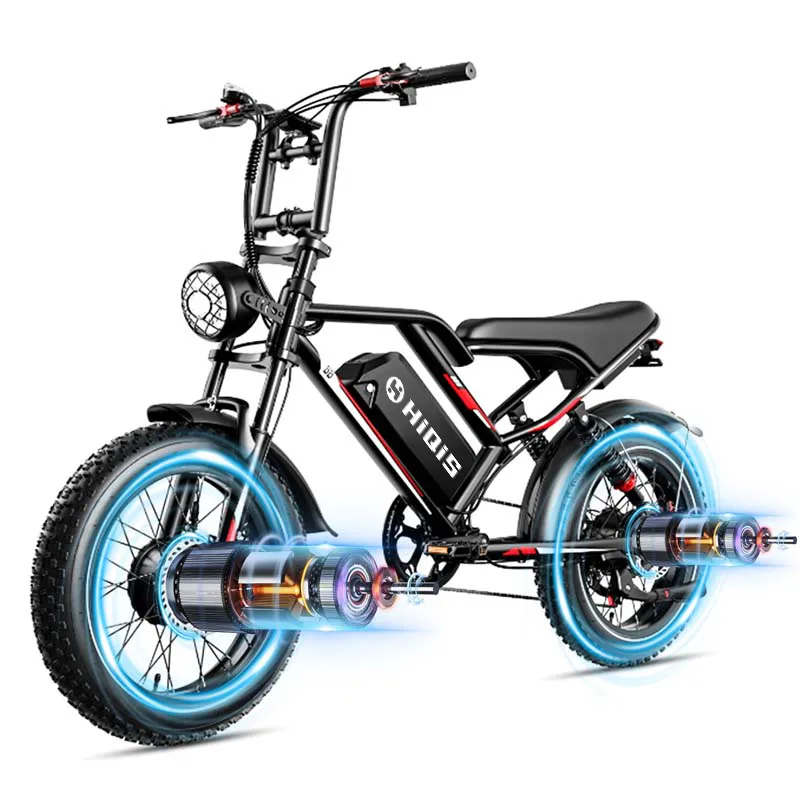
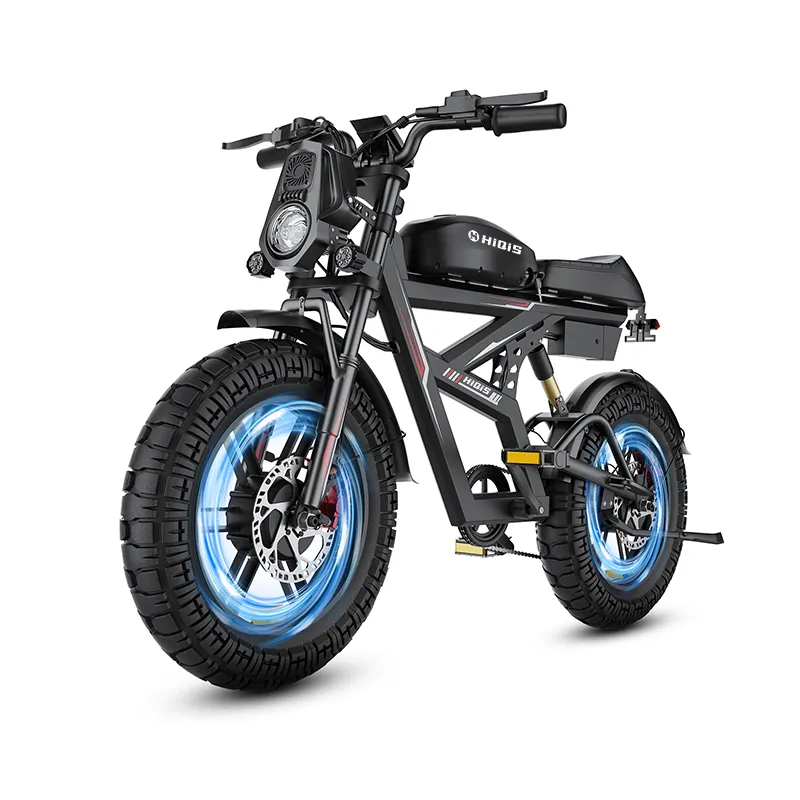
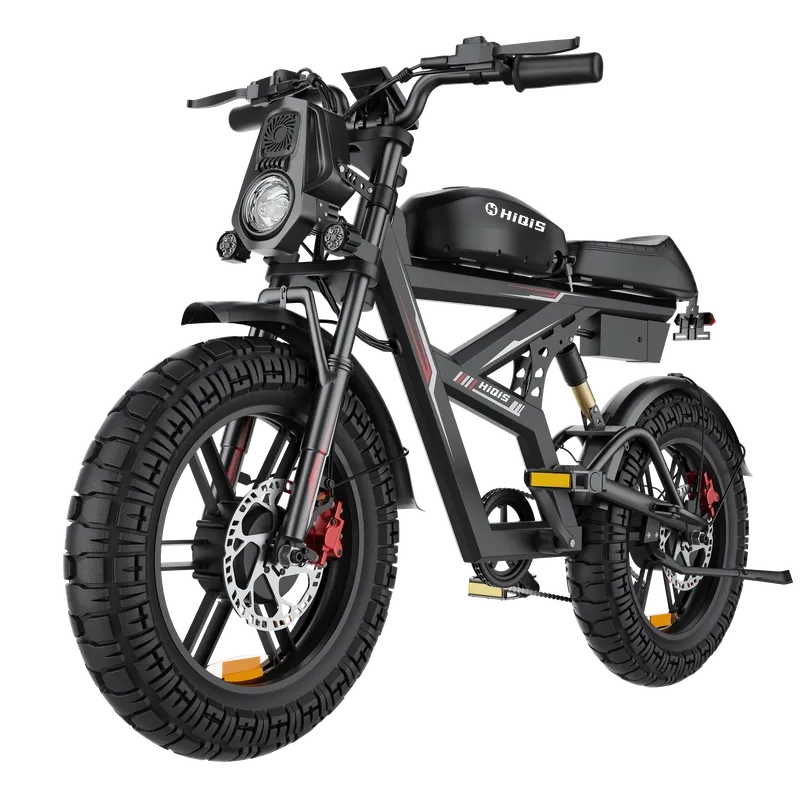



Fat tire electric bikes are known for their stability, power, and ability to handle rough terrain such as sand, snow, and gravel. However, like any electric vehicle, riders may occasionally encounter fat tire e-bike problems that affect performance.
Understanding these issues and learning simple fixes can help you keep your electric bike running smoothly and extend its lifespan.
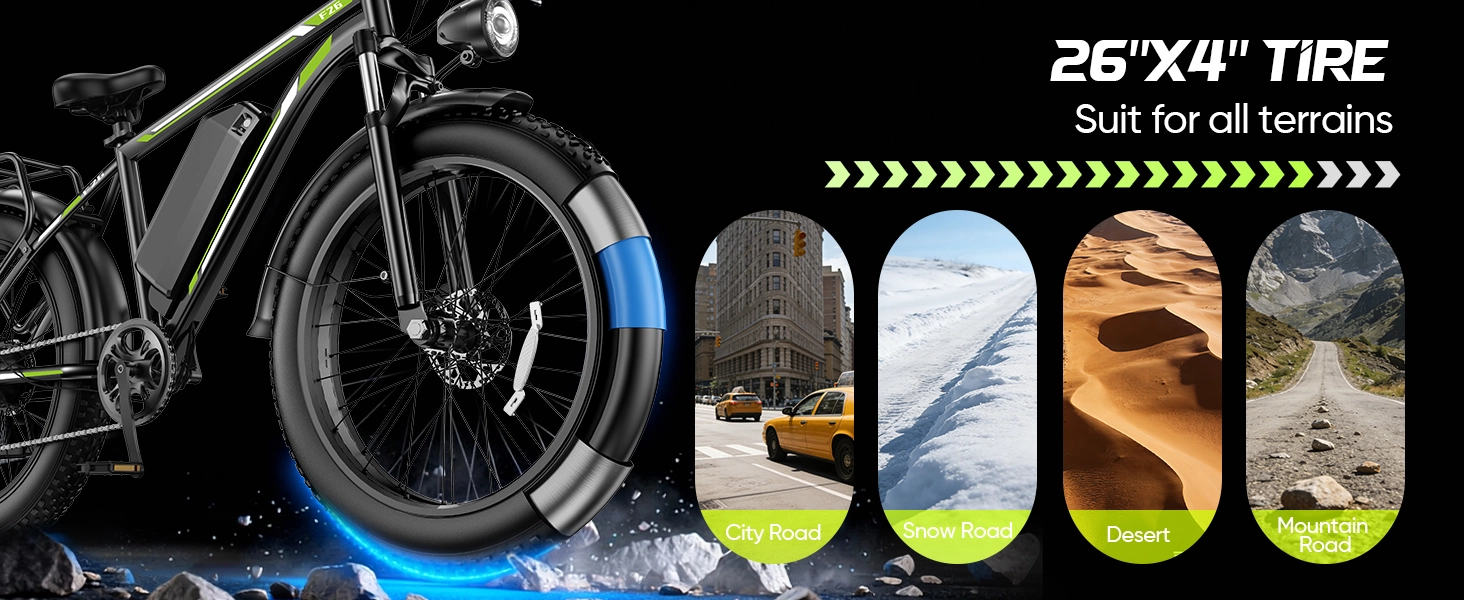
1. Tire Pressure Issues
One of the most common problems with fat tire e-bikes is improper tire pressure. Because fat tires are larger and wider than standard bicycle tires, they require careful inflation.
If the pressure is too low, the bike becomes harder to pedal and may reduce battery efficiency. If it is too high, the ride may feel unstable on rough surfaces.
Fix:
- Check tire pressure regularly using a pressure gauge
- Maintain recommended pressure levels (usually 5–20 PSI)
- Adjust pressure depending on terrain
2. Battery Range Decreasing
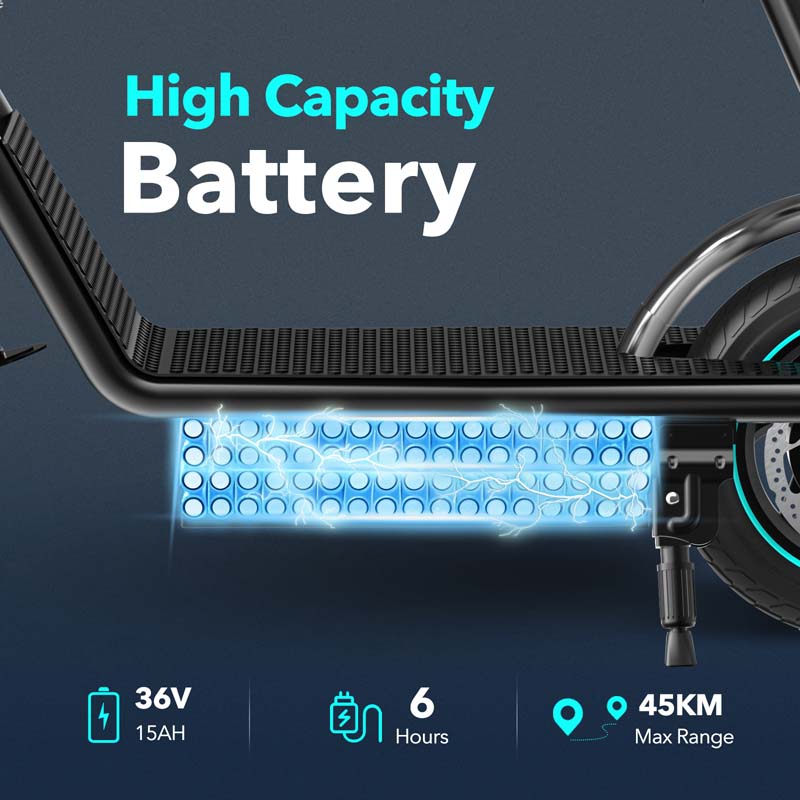
Another common fat tire e-bike problem is reduced battery range. Riders may notice their bike cannot travel as far as before.
Several factors may cause this issue, including cold weather, steep terrain, or battery aging.
Fix:
- Charge the battery fully before long rides
- Avoid extreme temperatures
- Store the battery properly when not in use
- Replace aging batteries when performance drops significantly

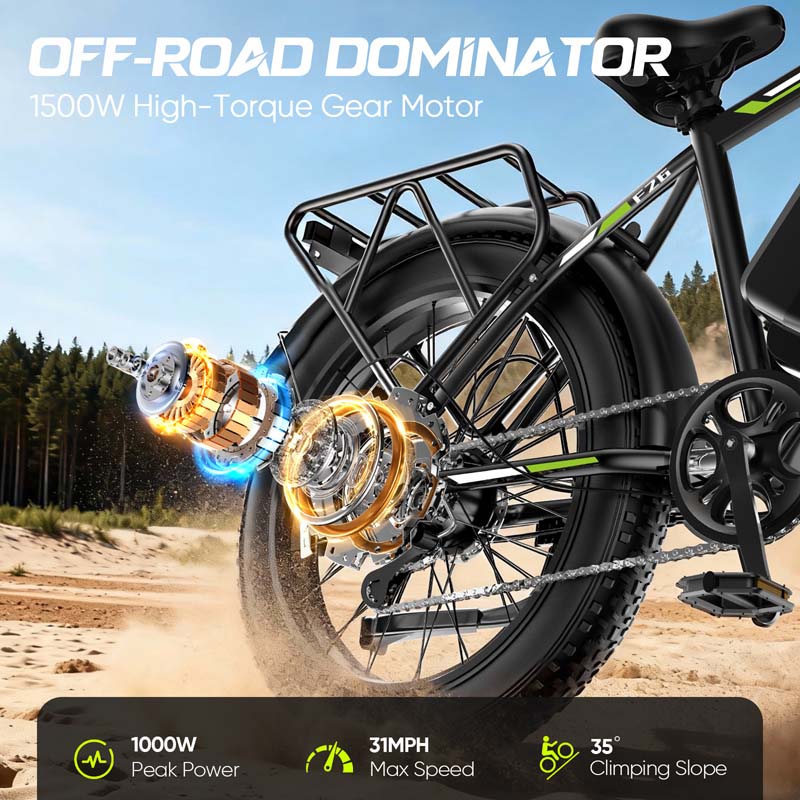
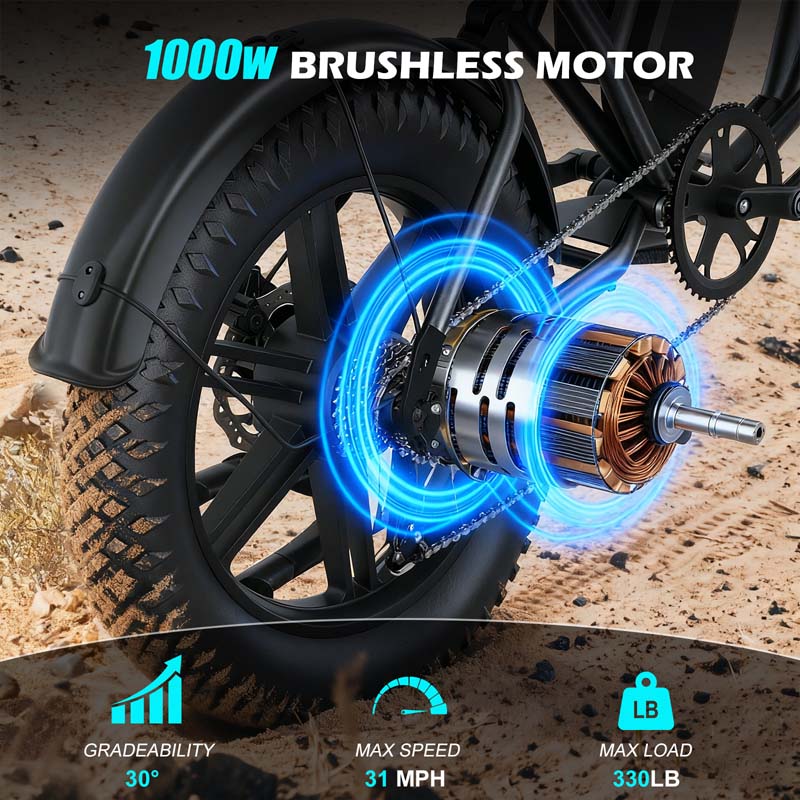
3. Motor Not Providing Assistance
Sometimes riders notice that the motor stops assisting while pedaling. This can happen due to sensor issues, loose cables, or controller problems.
Fix:
- Check pedal assist sensors
- Inspect wiring connections
- Restart the bike system
- Consult a technician if the problem persists
4. Brake Performance Problems
Fat tire e-bikes are heavier than traditional bicycles, so strong braking performance is critical. Over time, brake pads may wear out or become misaligned.
Fix:
- Inspect brake pads regularly
- Adjust brake calipers if necessary
- Replace worn brake pads
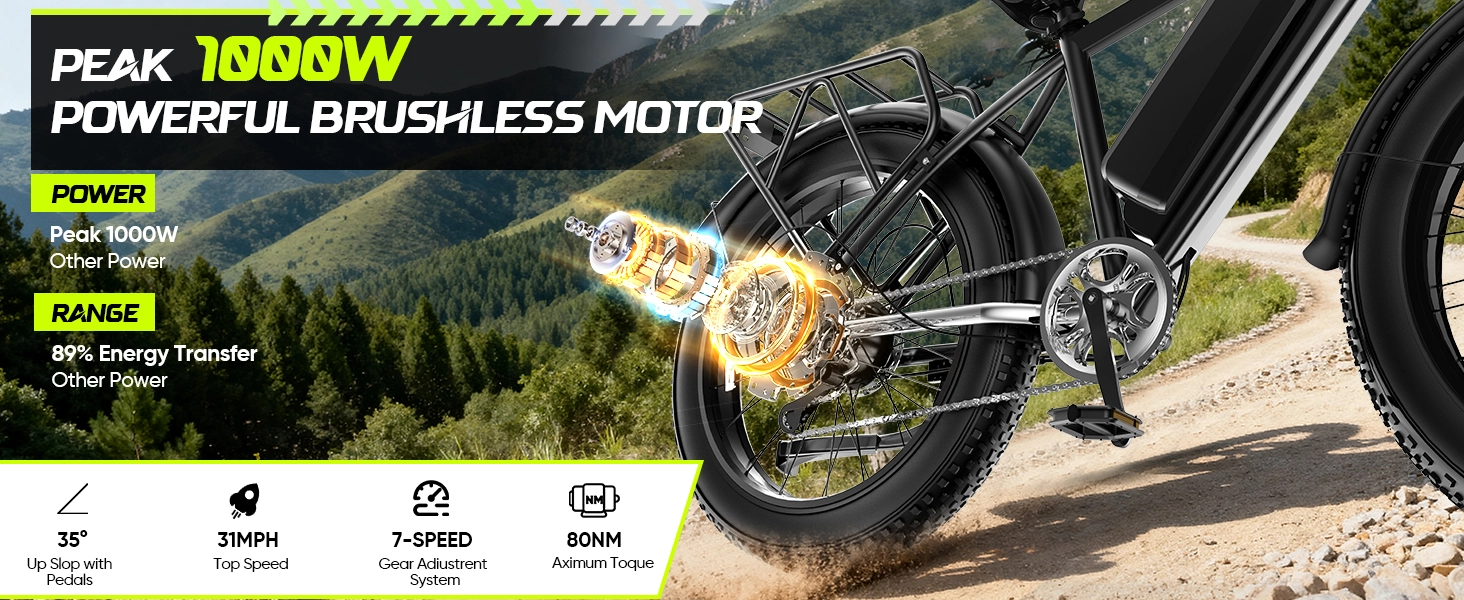
5. Loose Bolts and Components
Because fat tire e-bikes are frequently used for off-road riding, vibrations may loosen bolts over time.
Fix:
- Check bolts on handlebars, seat, and wheels
- Tighten components periodically
- Use appropriate tools to avoid overtightening
Conclusion
Although fat tire e-bike problems can occasionally occur, most issues are easy to diagnose and fix with basic maintenance. By regularly checking tire pressure, battery health, brakes, and connections, riders can keep their electric bikes performing at their best.
With proper care, a fat tire electric bike can provide years of reliable performance for commuting, outdoor adventures, and off-road exploration.
Frequently Asked Questions
Why do fat tire e-bikes lose range faster?
Fat tires create more rolling resistance, which may increase energy consumption compared to standard bicycle tires.
What tire pressure is best for fat tire e-bikes?
Most fat tire e-bikes perform well between 5 and 20 PSI depending on terrain and rider weight.
Are fat tire e-bikes harder to maintain?
No. Maintenance is similar to standard e-bikes, although tire pressure and brake wear should be checked more frequently.
How long do fat tire e-bike batteries last?
Most lithium-ion batteries last between 3 and 5 years depending on usage and charging habits.