
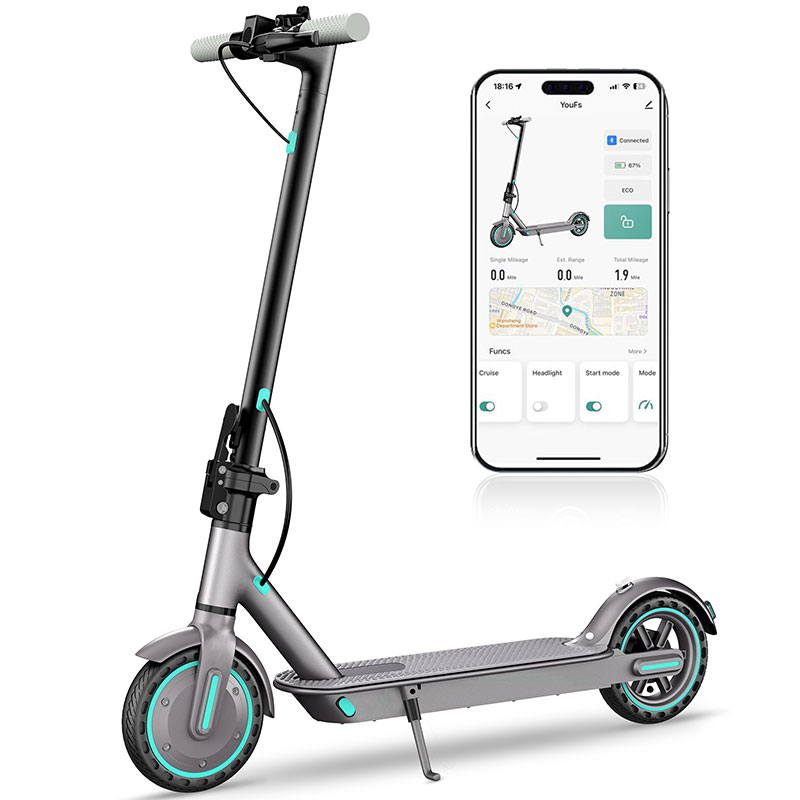
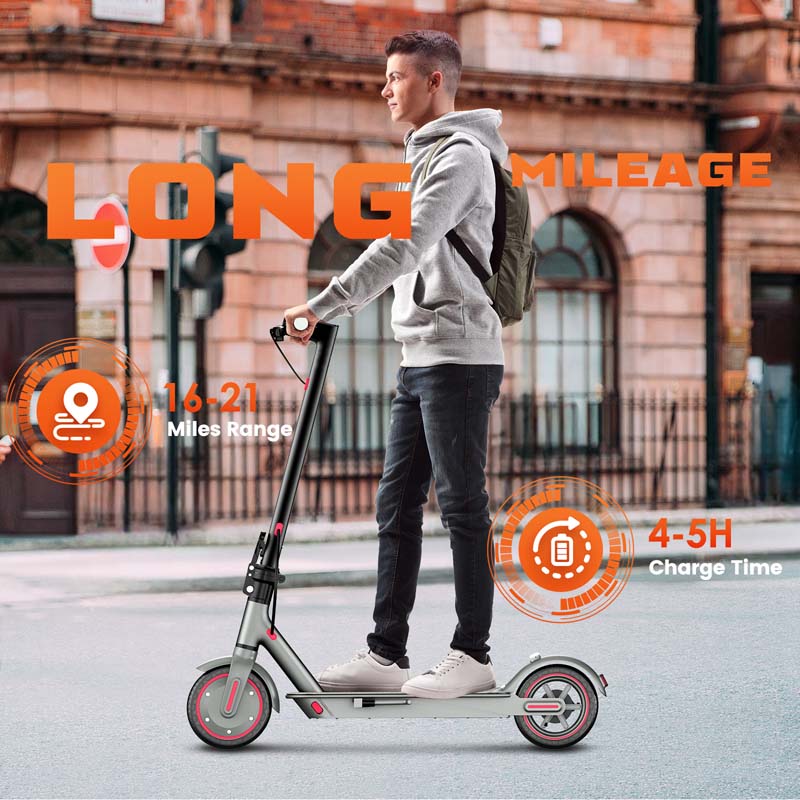


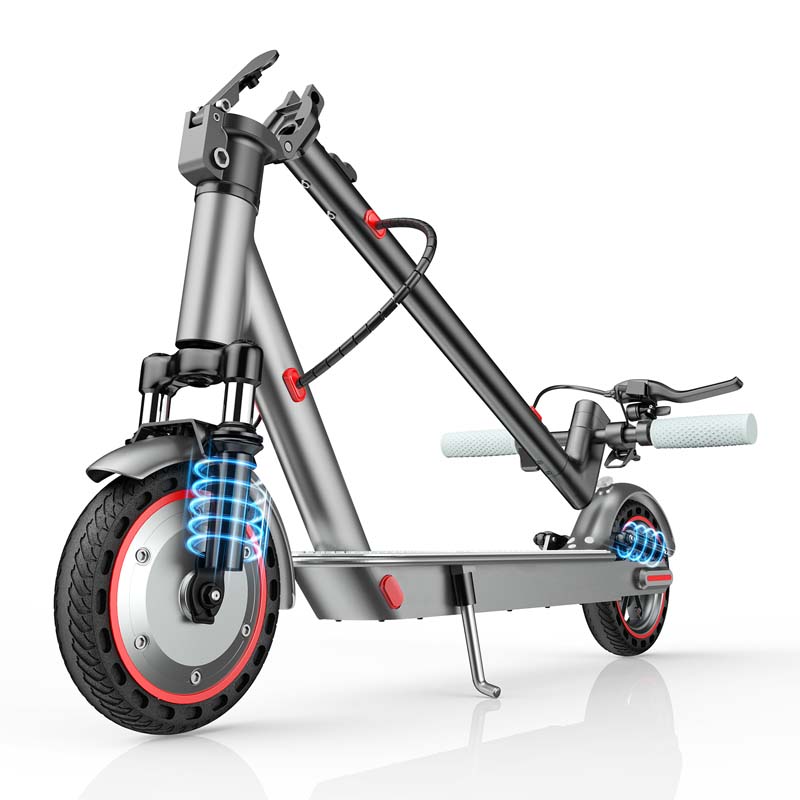
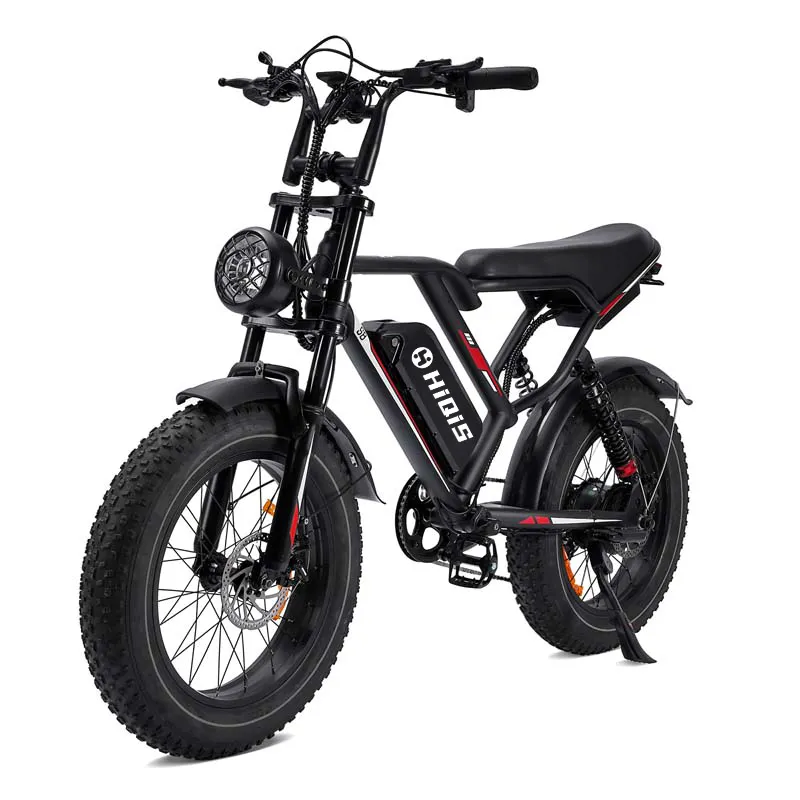
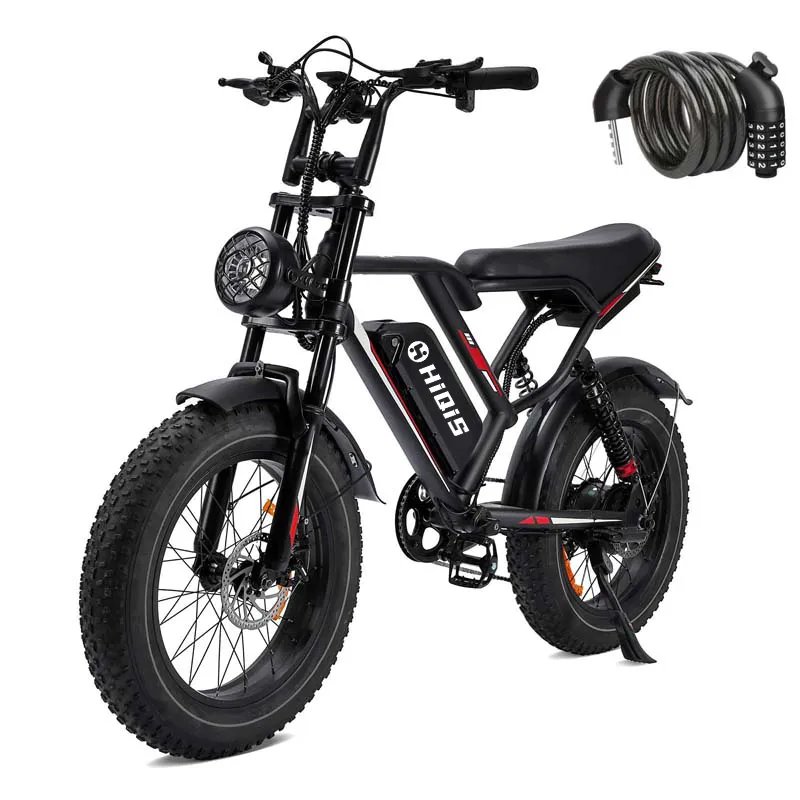
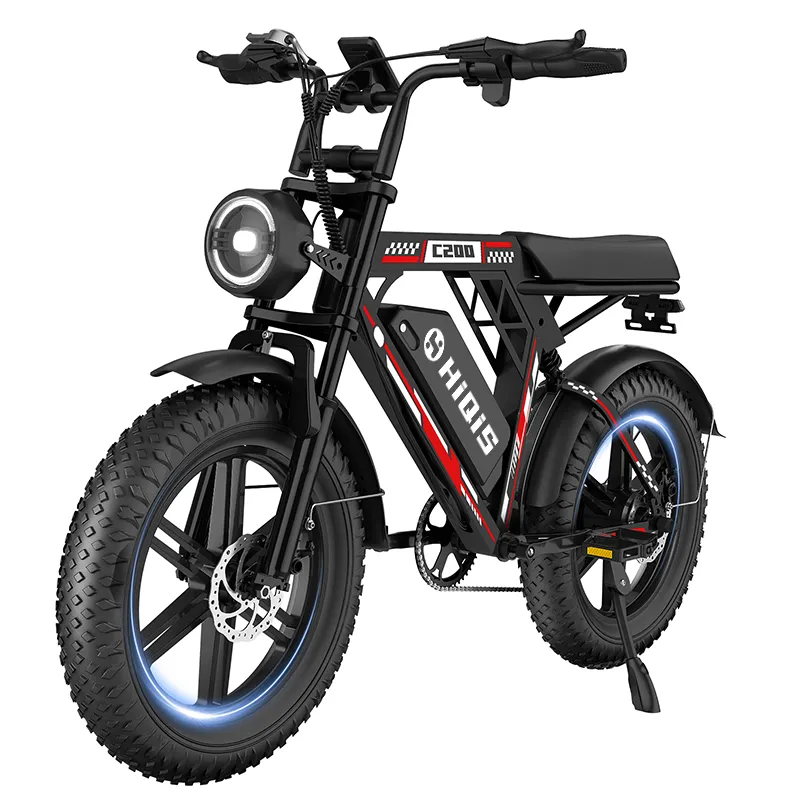
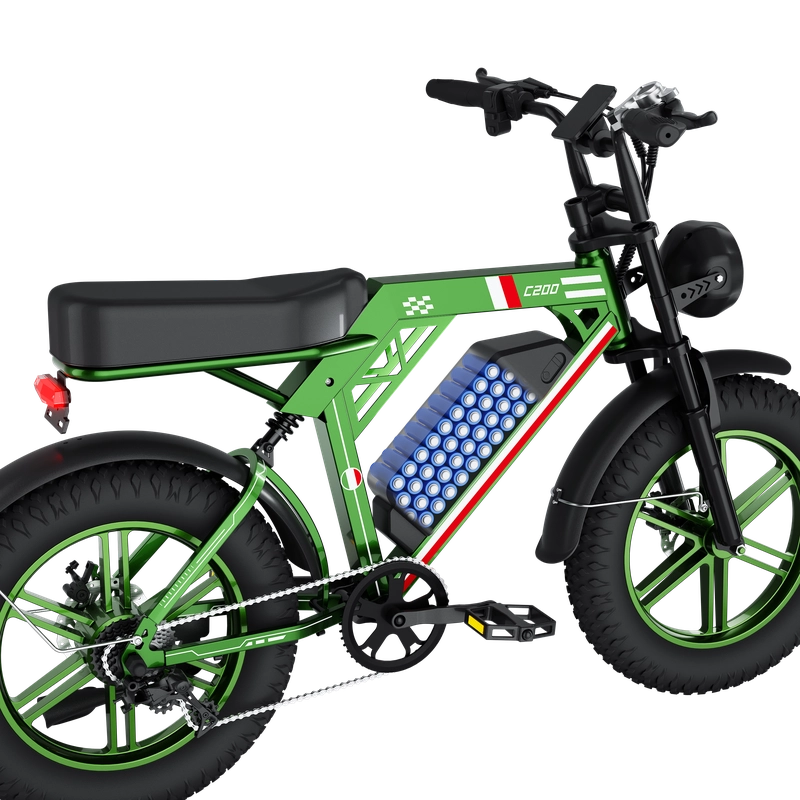
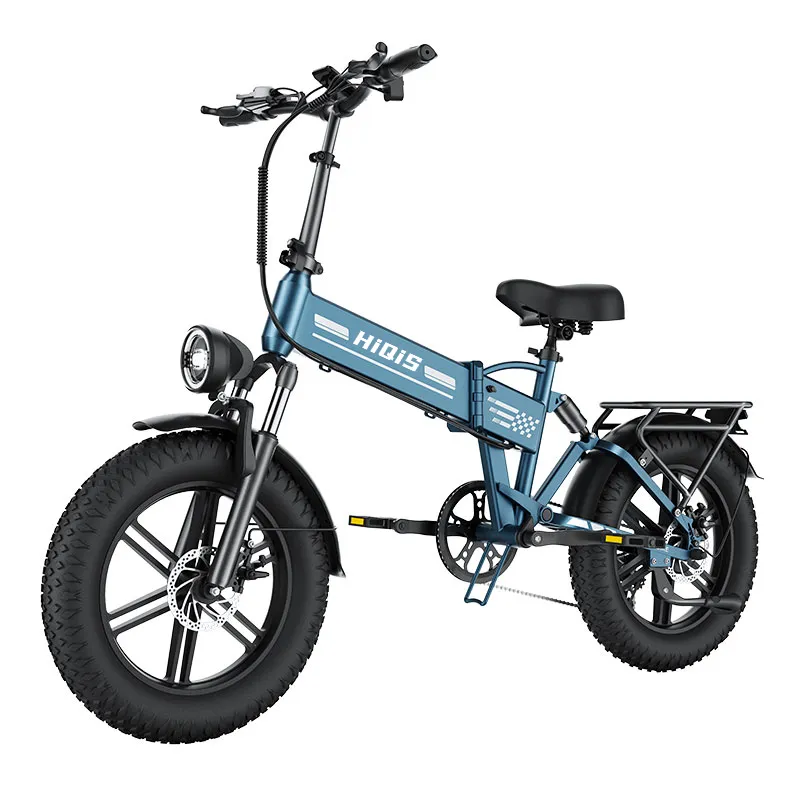
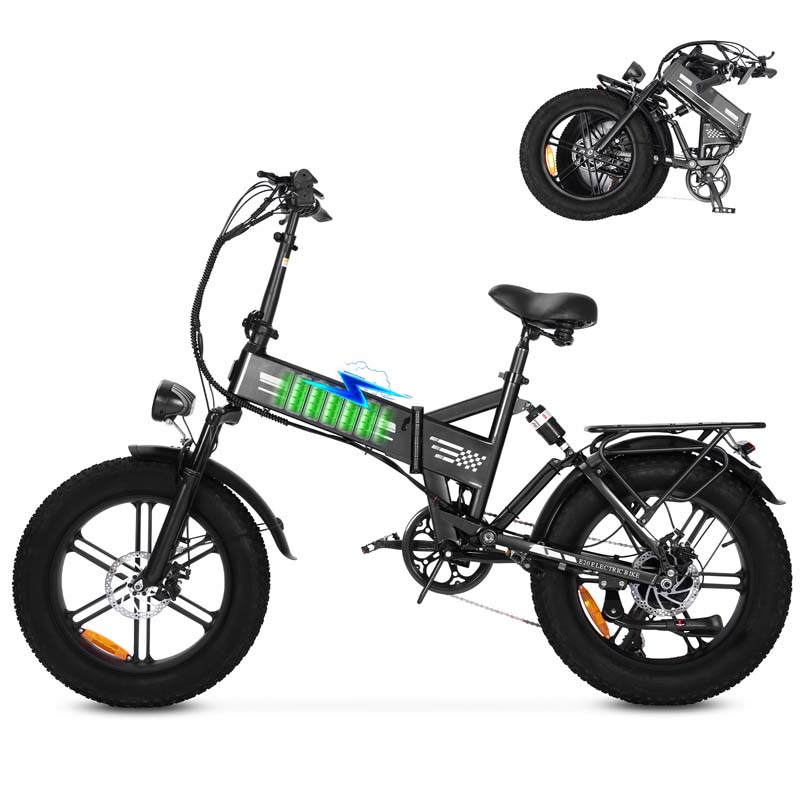
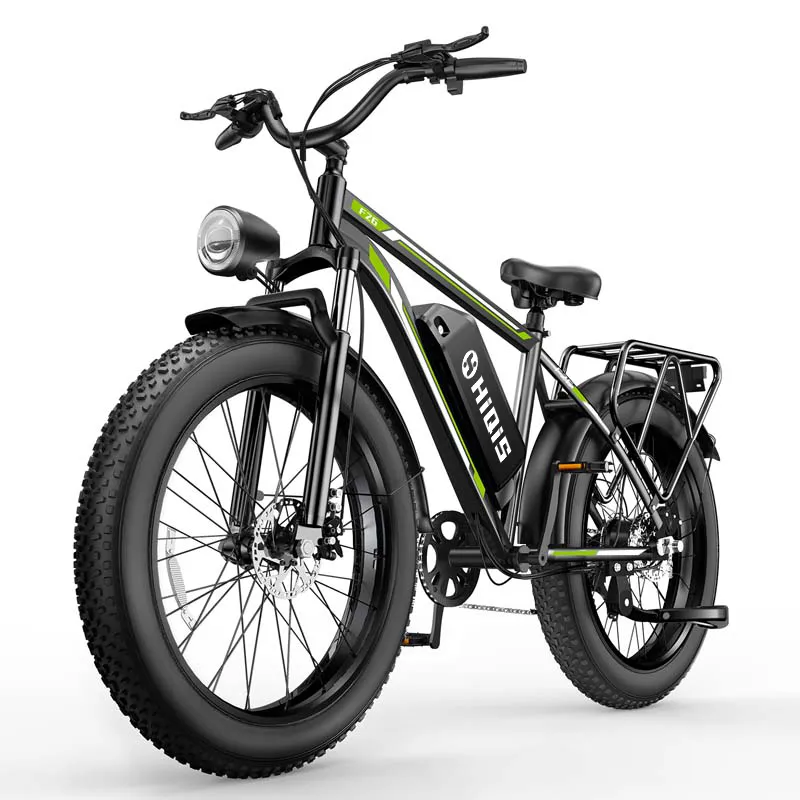
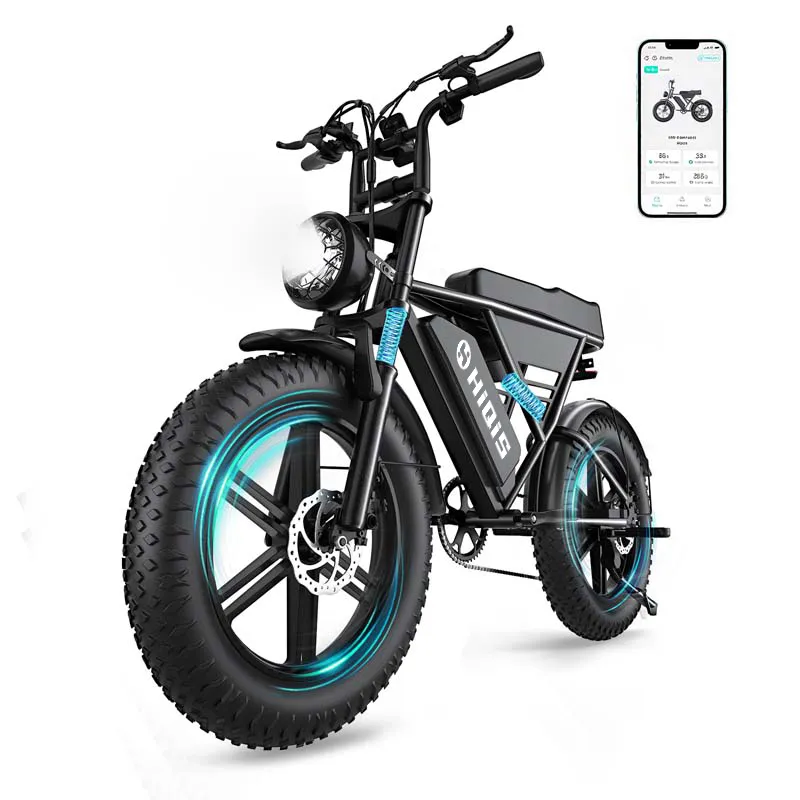


As electric bicycles continue to gain popularity among adult riders, battery lifespan has become one of the most frequently discussed topics. For owners and potential buyers of HiQiS adult electric bicycles, understanding when and how often the battery should be replaced is essential for maintaining optimal performance, safety, and long-term value. Since the battery is the core power source of any e-bike, proper care and timely replacement play a critical role in the overall riding experience.
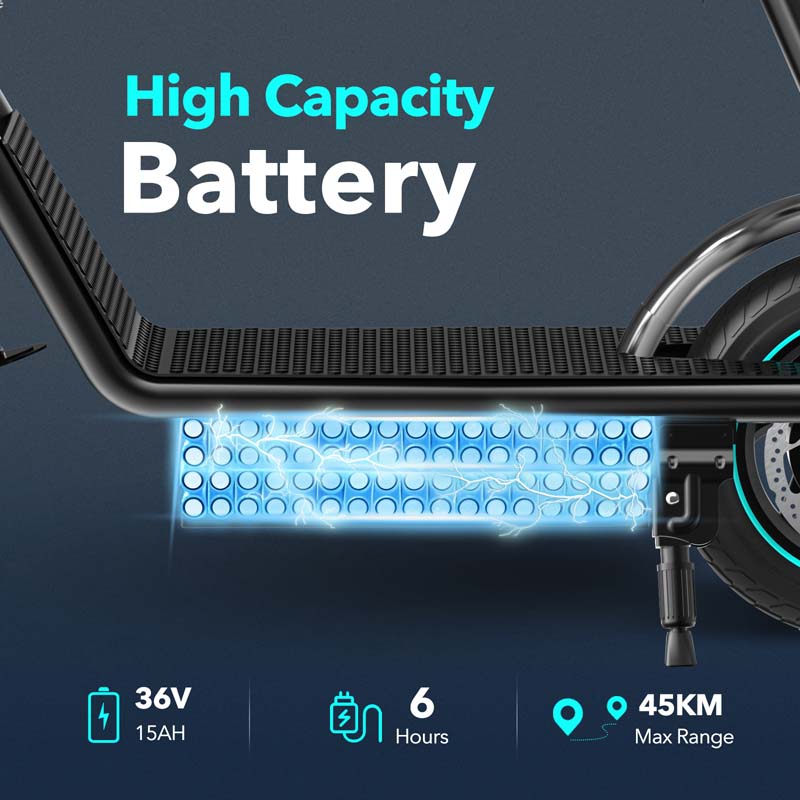
HiQiS adult electric bicycles are typically equipped with high-quality lithium-ion batteries, which are known for their efficiency, lightweight design, and durability. Under normal riding conditions, a HiQiS e-bike battery generally lasts between two and five years. Rather than being measured only by time, battery lifespan is more accurately determined by charge cycles. On average, a lithium-ion battery can support around 500 to 1,000 full charge cycles before its capacity begins to noticeably decline. For riders who use their HiQiS e-bike daily for commuting, this may mean replacing the battery after two to three years. For occasional or recreational riders, the same battery may remain reliable for four to five years.
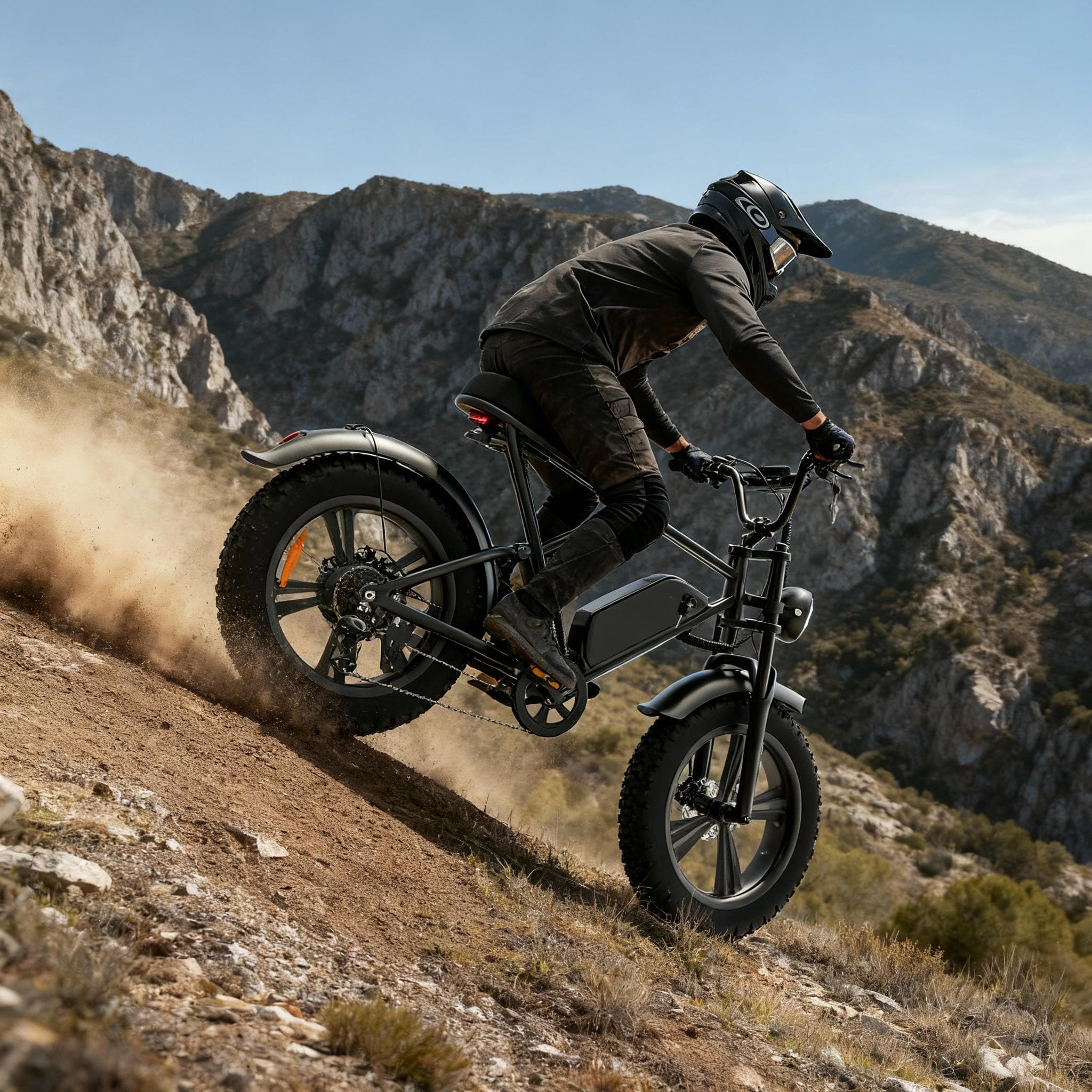
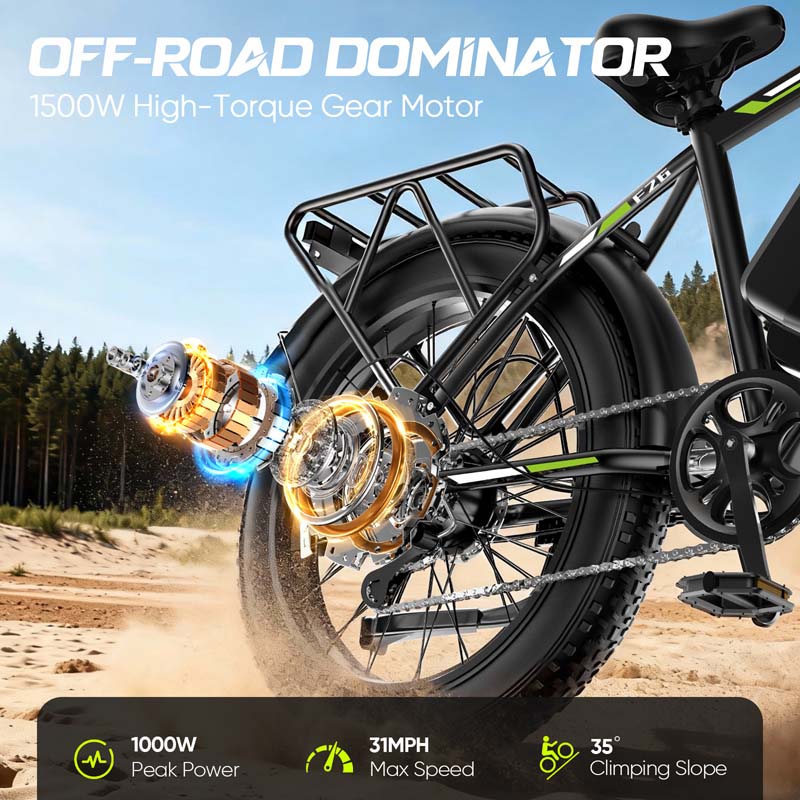
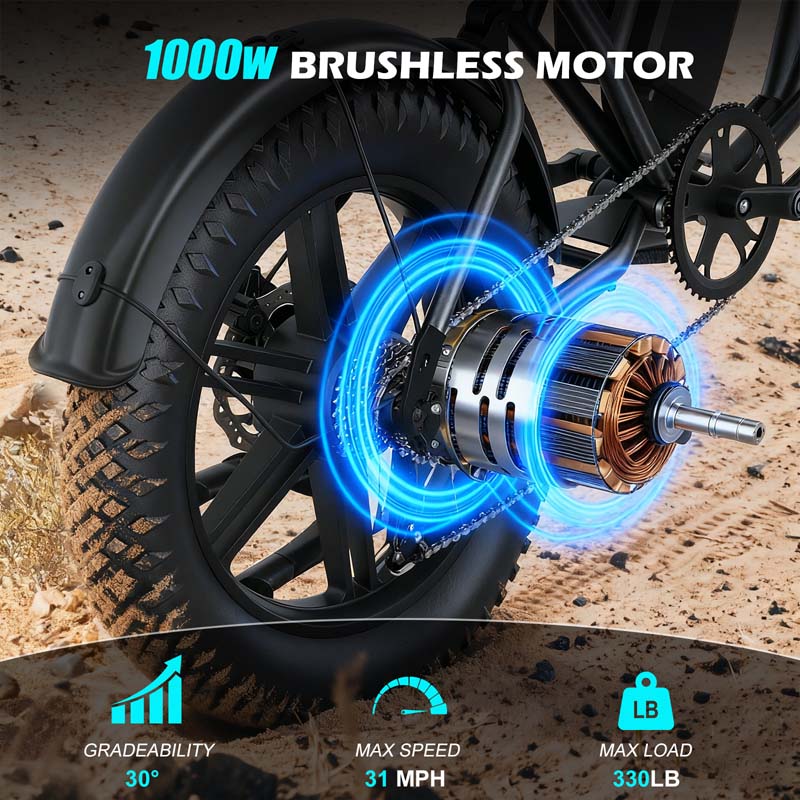
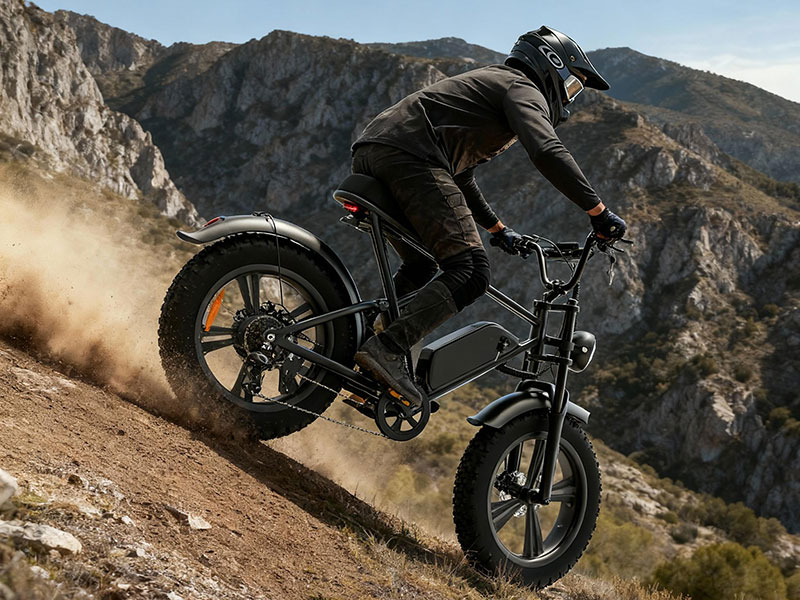
Several factors influence how often a HiQiS battery needs replacement. Riding habits are among the most important. Frequent high-speed riding, long-distance trips, or continuous use of high pedal-assist levels place greater demand on the battery and can accelerate wear. Terrain also affects battery life; riding on steep hills, rough roads, or off-road trails requires more power and shortens overall battery longevity. In addition, environmental conditions such as extreme heat or cold can negatively impact battery performance and aging.
Proper charging and storage habits can significantly extend the life of a HiQiS electric bicycle battery. Riders are advised to avoid fully draining the battery on a regular basis and to recharge it before it reaches critically low levels. Using the original HiQiS charger is strongly recommended, as it is designed to match the battery’s specifications and protect it from overcharging or overheating. When storing the e-bike for an extended period, keeping the battery at a partial charge—typically between 40 and 60 percent—and placing it in a cool, dry environment helps preserve battery health.
There are also clear signs that indicate it may be time to replace a HiQiS battery. A noticeable reduction in riding range, inconsistent power delivery, longer charging times, or sudden power shutdowns during use are common indicators of battery aging. When these issues begin to affect daily riding convenience or safety, replacing the battery becomes the most practical solution.
In conclusion, replacing the battery of a HiQiS adult electric bicycle every two to five years is generally appropriate, depending on usage, riding conditions, and maintenance habits. By following proper charging practices and understanding battery behavior, riders can maximize battery lifespan, reduce long-term costs, and continue to enjoy a reliable and efficient electric riding experience with HiQiS.