



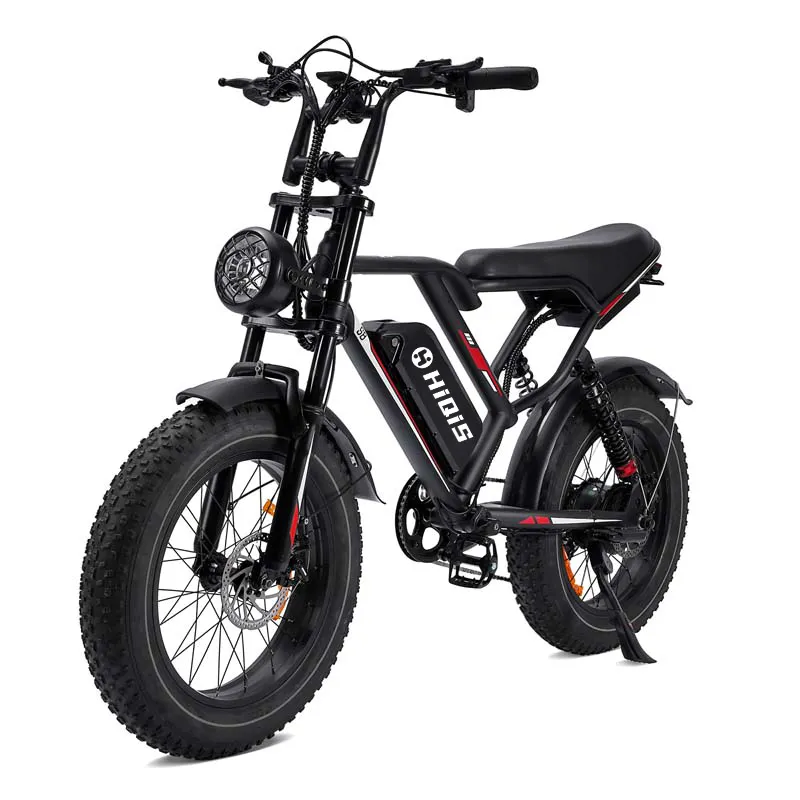
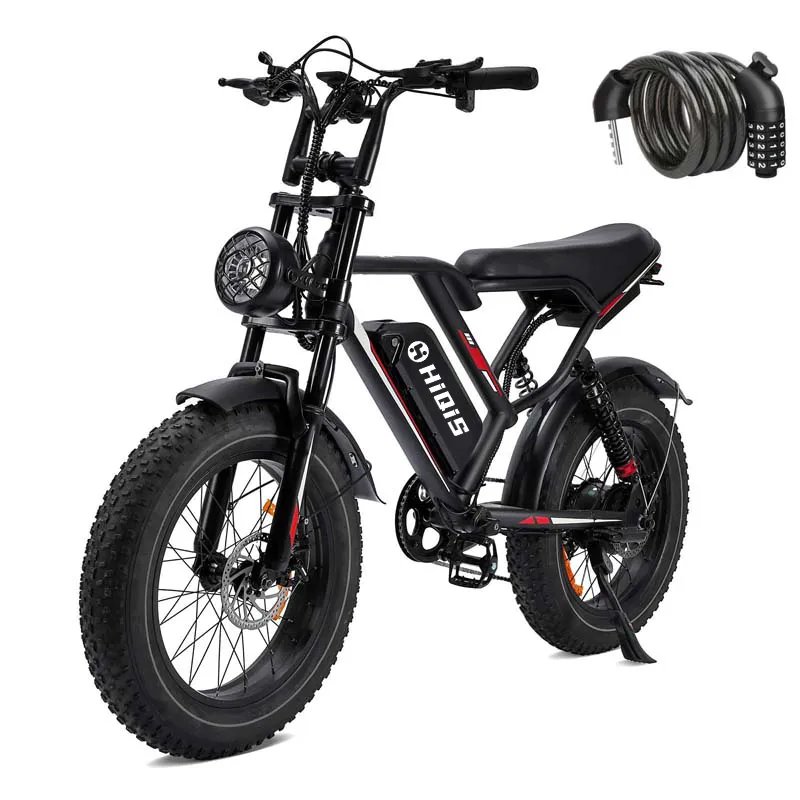
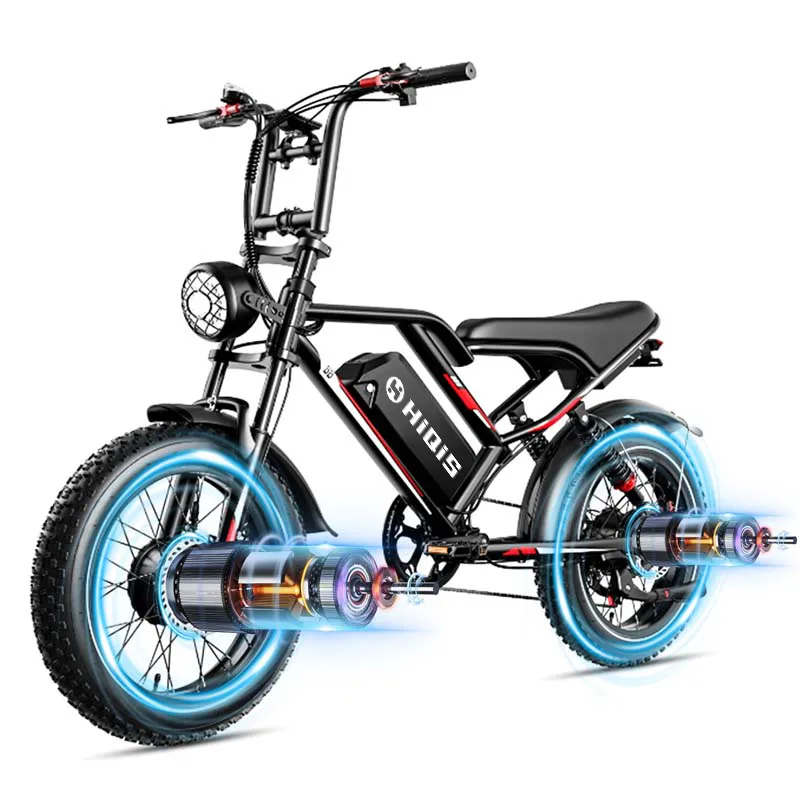
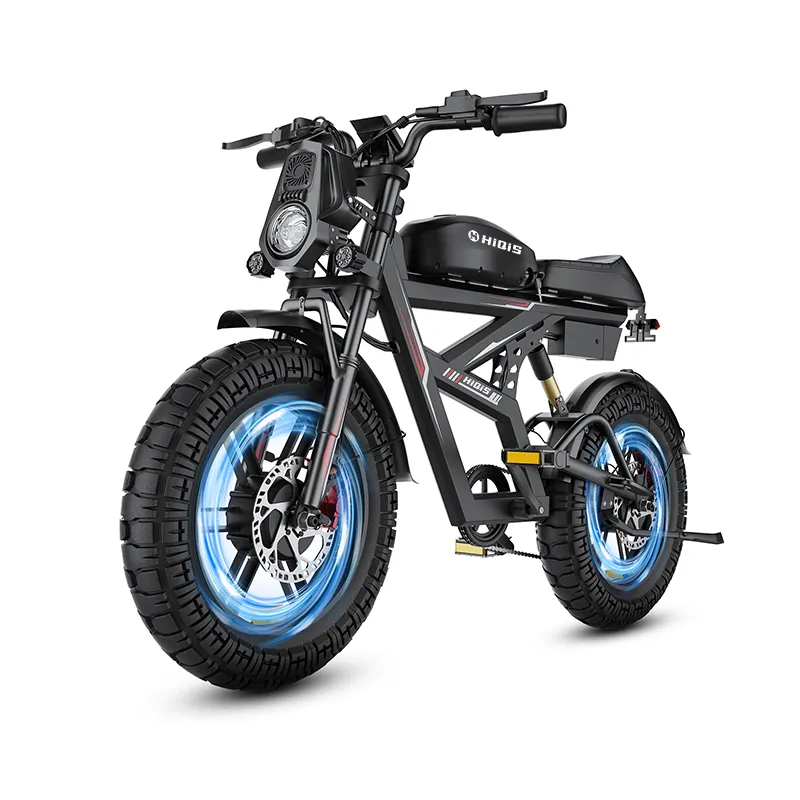
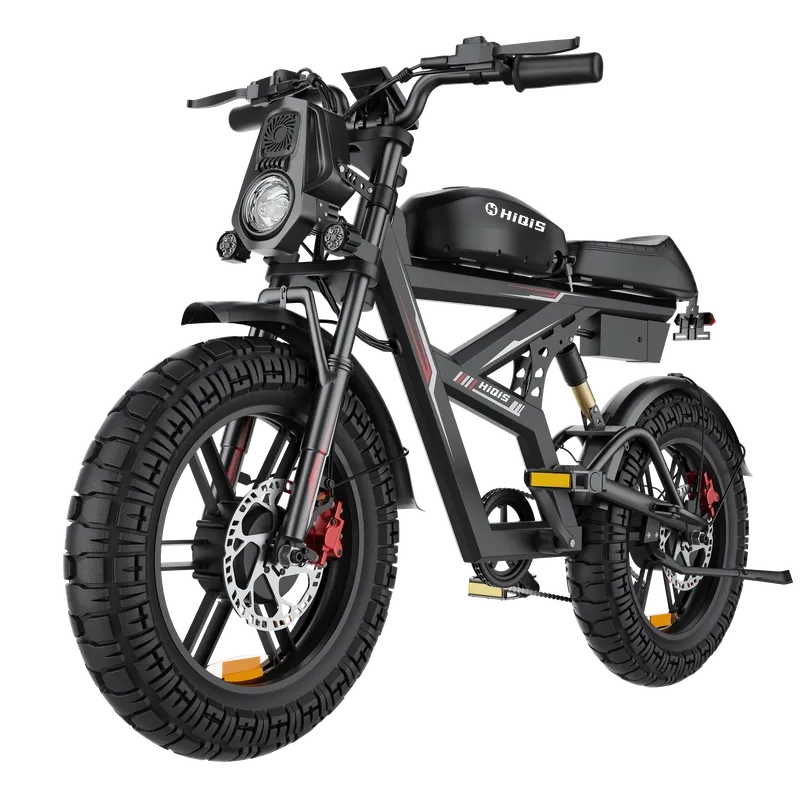


Electric bikes are becoming increasingly popular for commuting, recreation, and eco-friendly transportation. One of the most common questions riders ask is: how fast do electric bikes go?
The speed of an electric bike depends on several factors including motor power, terrain, rider weight, and local regulations. Most modern e-bikes are designed to balance speed, safety, and efficiency.
Average Speed of Electric Bikes
In general, the typical electric bike speed ranges between 20 mph and 28 mph. These speeds are determined by the e-bike classification system used in many regions.
- Class 1 E-Bike: Pedal-assist only, maximum speed of 20 mph
- Class 2 E-Bike: Throttle-assisted, maximum speed of 20 mph
- Class 3 E-Bike: Pedal-assist with speeds up to 28 mph
This classification system helps regulate electric bike usage on public roads and bike paths.
What Affects Electric Bike Speed?
Several factors influence how fast an e-bike can travel in real-world conditions.
Motor Power
Motor power is one of the biggest factors that determines an e-bike’s top speed. Most electric bikes are equipped with motors between 250W and 750W.
- 250W motor: efficient for casual city commuting
- 500W motor: stronger acceleration and moderate hills
- 750W motor: higher performance and faster speeds
Battery Capacity
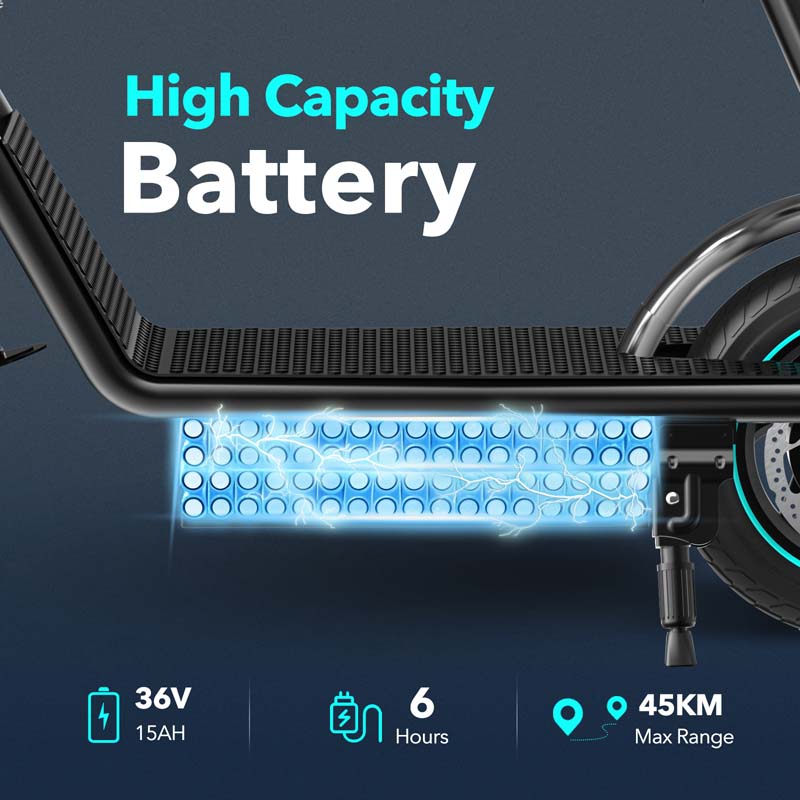
A larger battery allows the motor to maintain consistent power output, which helps sustain higher riding speeds over longer distances.
Terrain and Road Conditions
Riding on flat city roads allows riders to reach higher speeds, while steep hills or rough terrain may reduce the overall speed of the electric bike.
Rider Weight
The total load on the bike, including rider weight and cargo, can influence acceleration and maximum speed.
Are Electric Bikes Faster Than Regular Bikes?
Electric bikes are typically faster than traditional bicycles for everyday commuting. The motor assistance allows riders to maintain higher average speeds without excessive physical effort.
This makes e-bikes a popular choice for people who want a faster and more comfortable way to travel around cities.
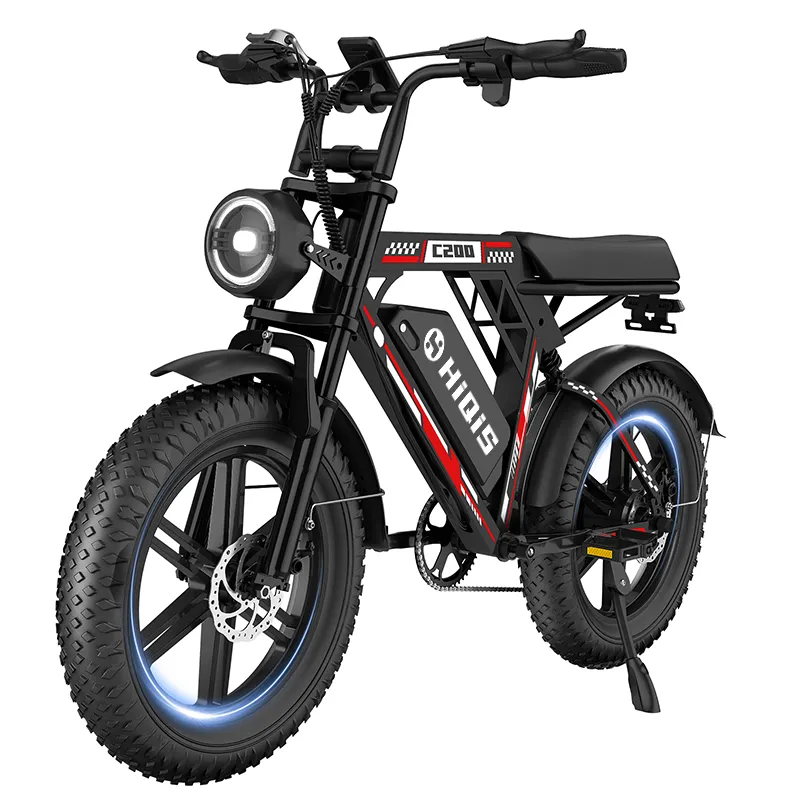
High-Performance Electric Bike Speed
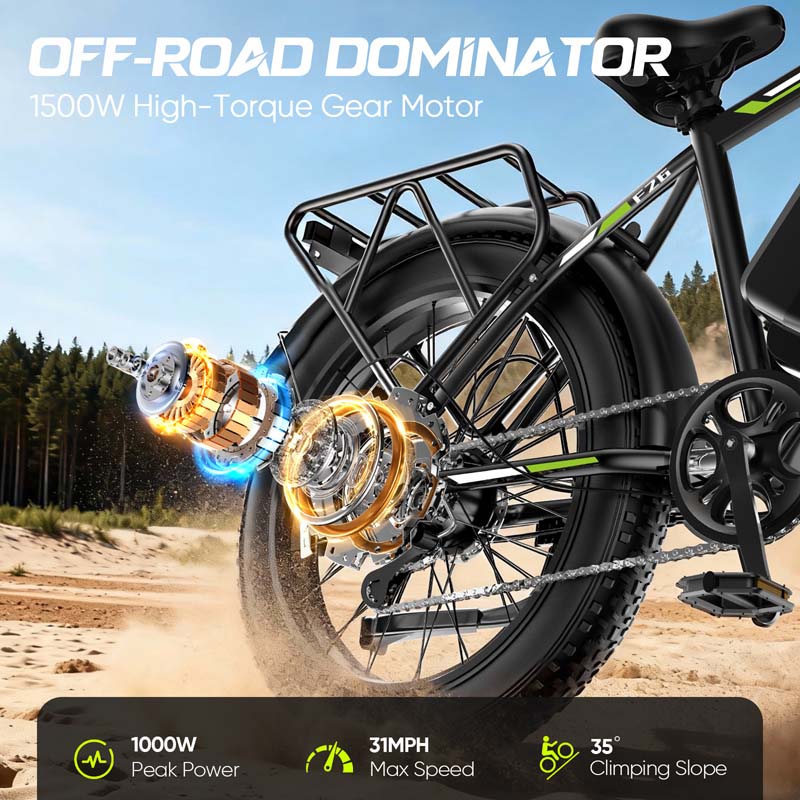
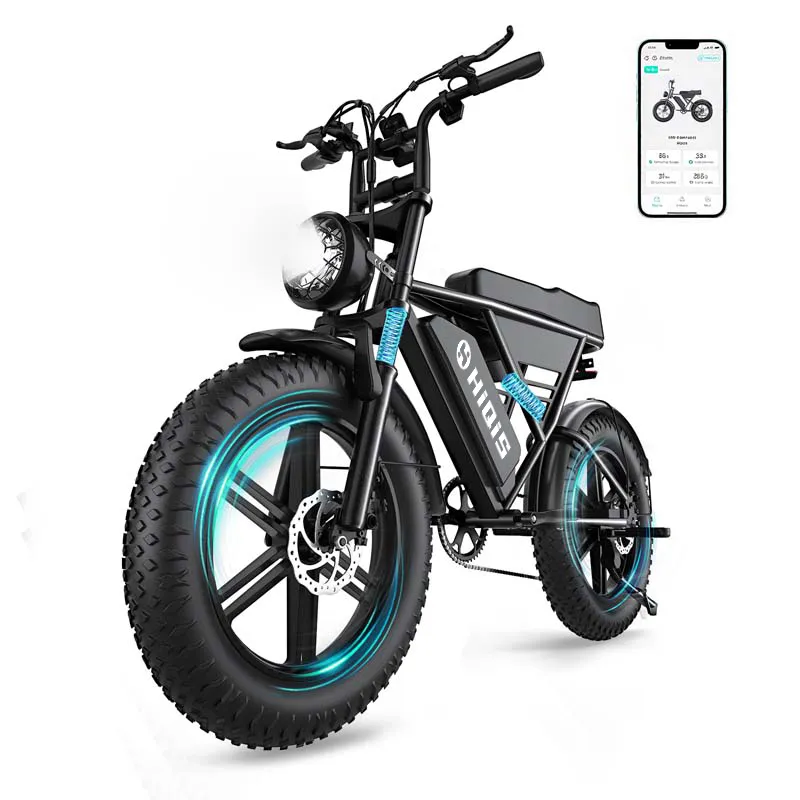
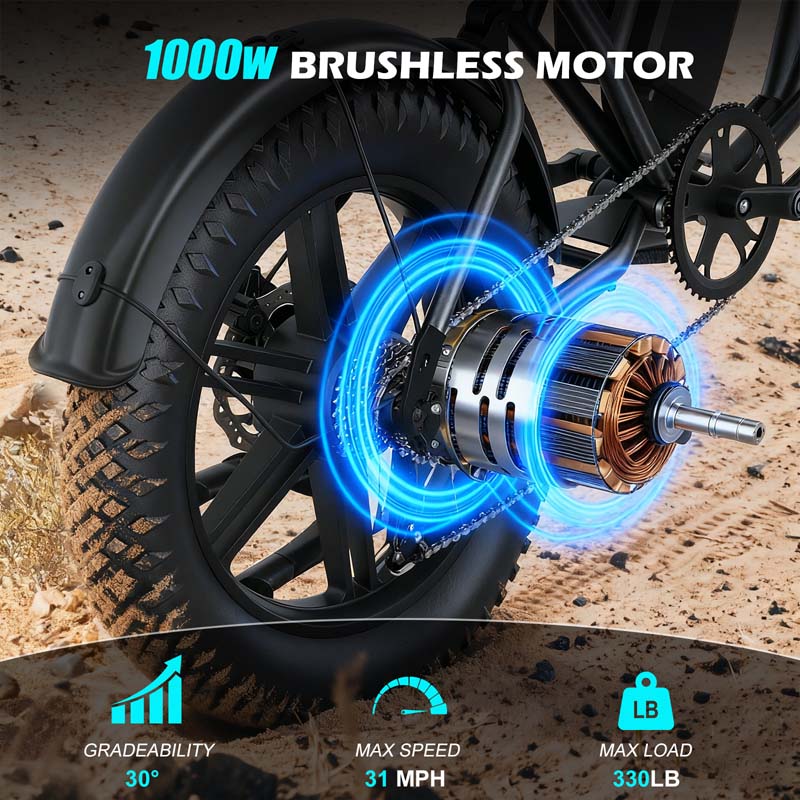
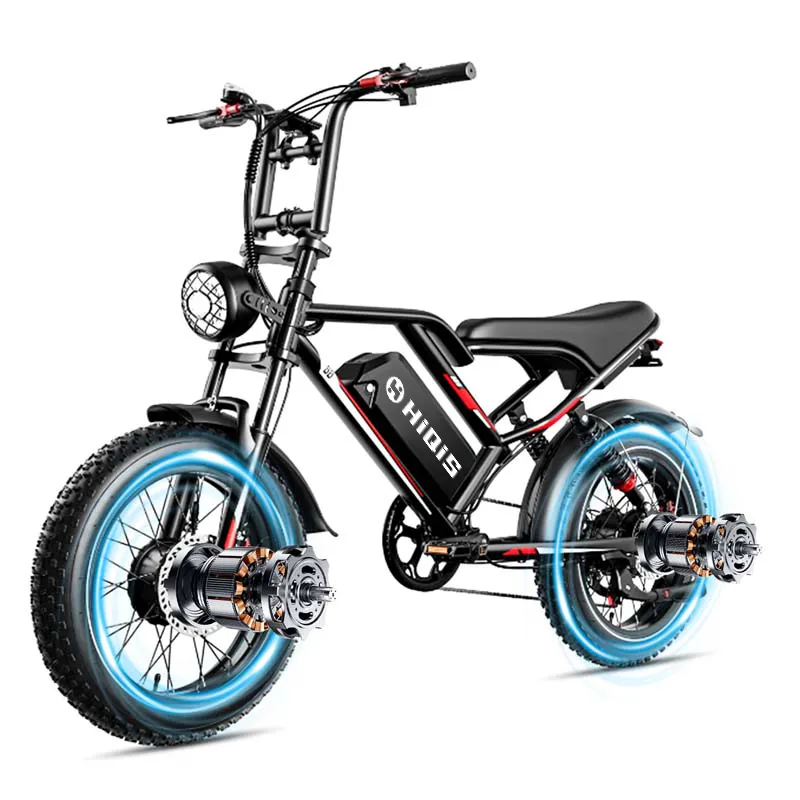
Some high-performance electric bikes designed for off-road use or private property can exceed speeds of 30 mph. These models often feature more powerful motors and advanced battery systems.
However, riders should always follow local regulations regarding electric bike speed limits.
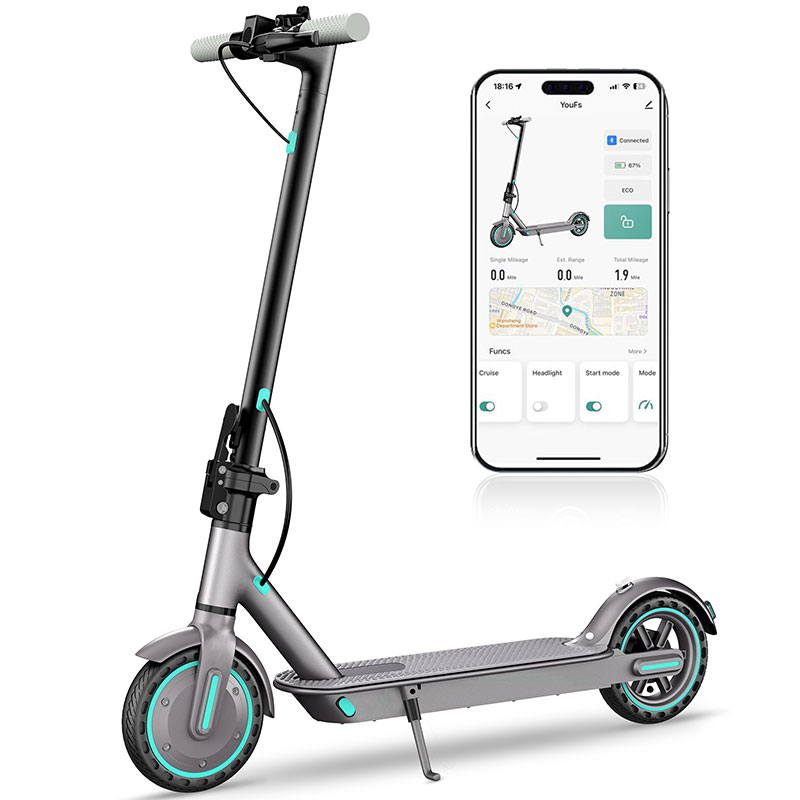
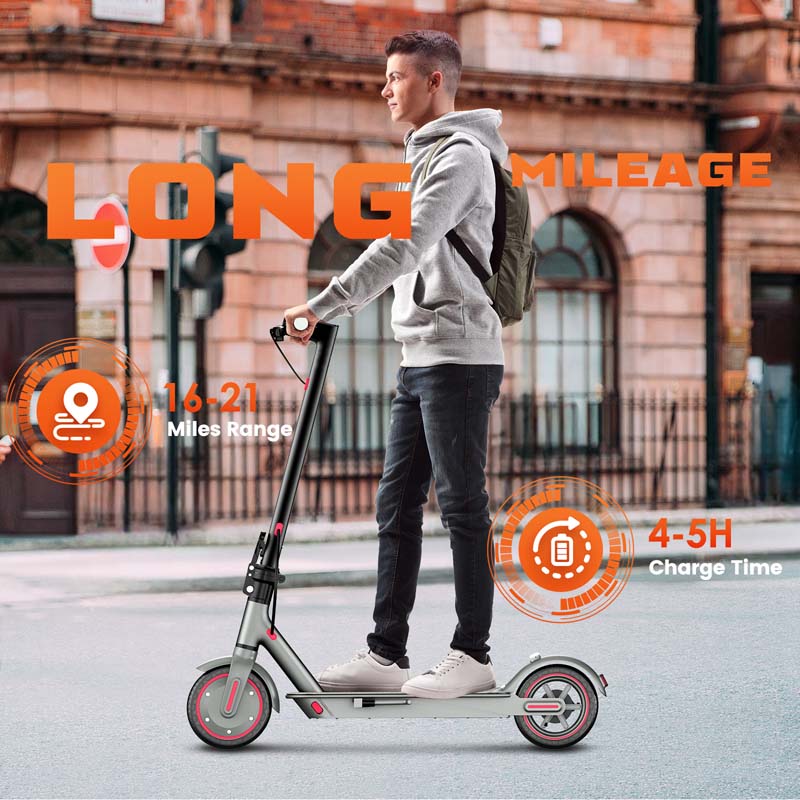
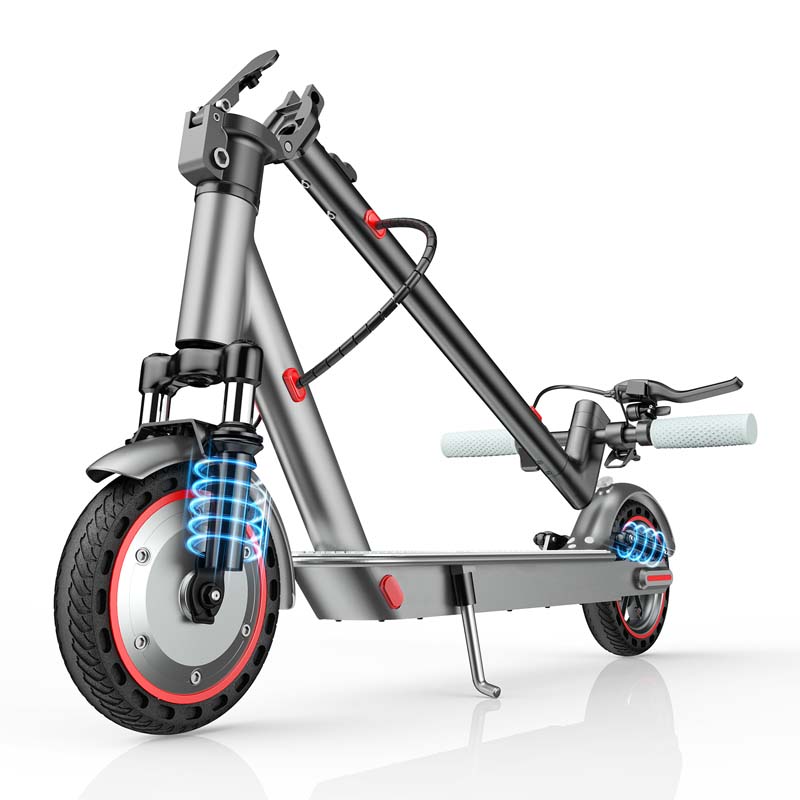
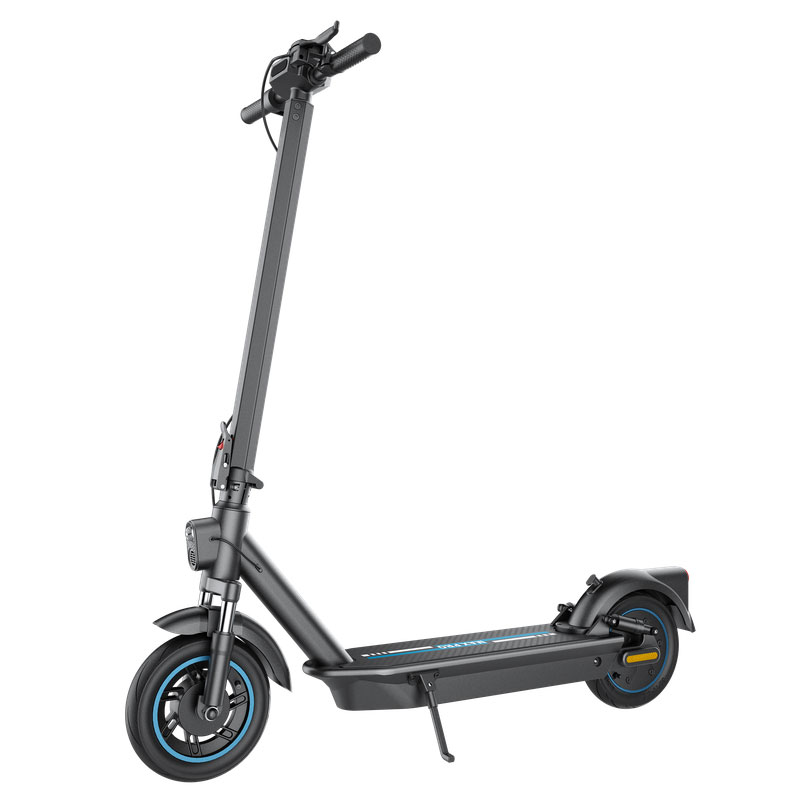
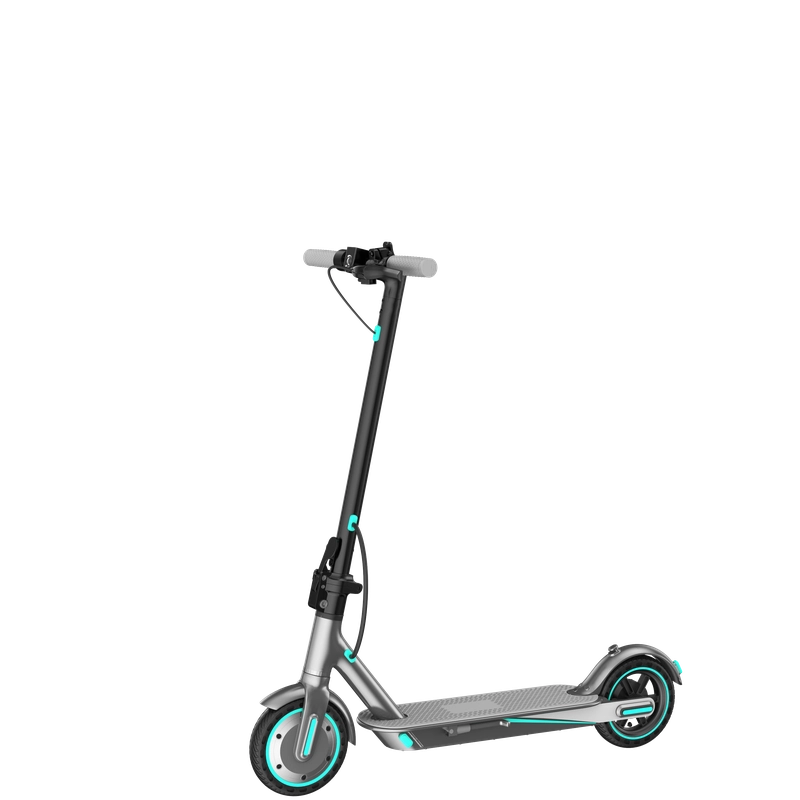
Electric Bike vs Electric Scooter Speed
| Vehicle | Typical Top Speed |
|---|---|
| Electric Bike | 20 – 28 mph |
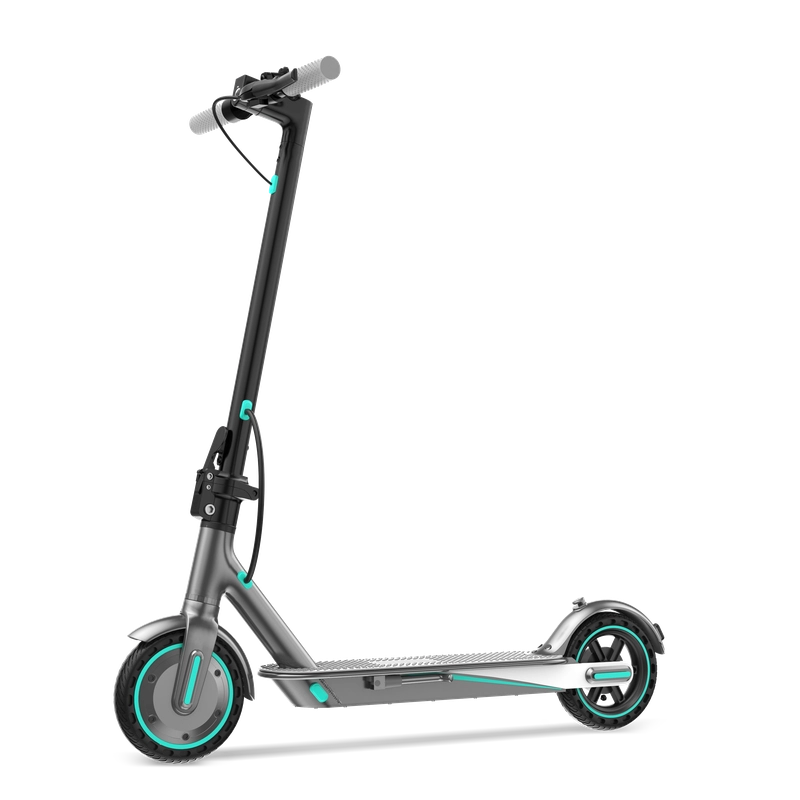
| Electric Scooter | 15 – 30 mph |
Both electric bikes and scooters provide efficient urban transportation, but electric bikes are often preferred for longer rides and better comfort.
Electric Bike Speed Laws
Many countries regulate the maximum speed of electric bikes. In the United States, the three-class system limits most street-legal e-bikes to either 20 mph or 28 mph depending on the bike category.
Always check local laws before riding at higher speeds.
FAQ: Electric Bike Speed
How fast does a 500W electric bike go?
A 500W electric bike can typically reach speeds between 20 mph and 25 mph depending on terrain and rider input.
How fast does a 750W electric bike go?
Many 750W e-bikes can reach approximately 28 mph with pedal assist.
Can electric bikes go 30 mph?
Some high-performance models can exceed 30 mph, but these bikes may not be street-legal in certain areas.
Do electric bikes slow down on hills?
Yes, but the electric motor helps maintain speed while climbing hills, making the ride easier than a traditional bicycle.
Conclusion
So, how fast do electric bikes go in real-world riding conditions? Most electric bikes travel between 20 mph and 28 mph, making them significantly faster than traditional bicycles for commuting and daily transportation.
Motor power, battery capacity, terrain, and local laws all play a role in determining the final speed of an electric bike. Choosing a high-quality e-bike ensures a smooth, efficient, and enjoyable riding experience.