


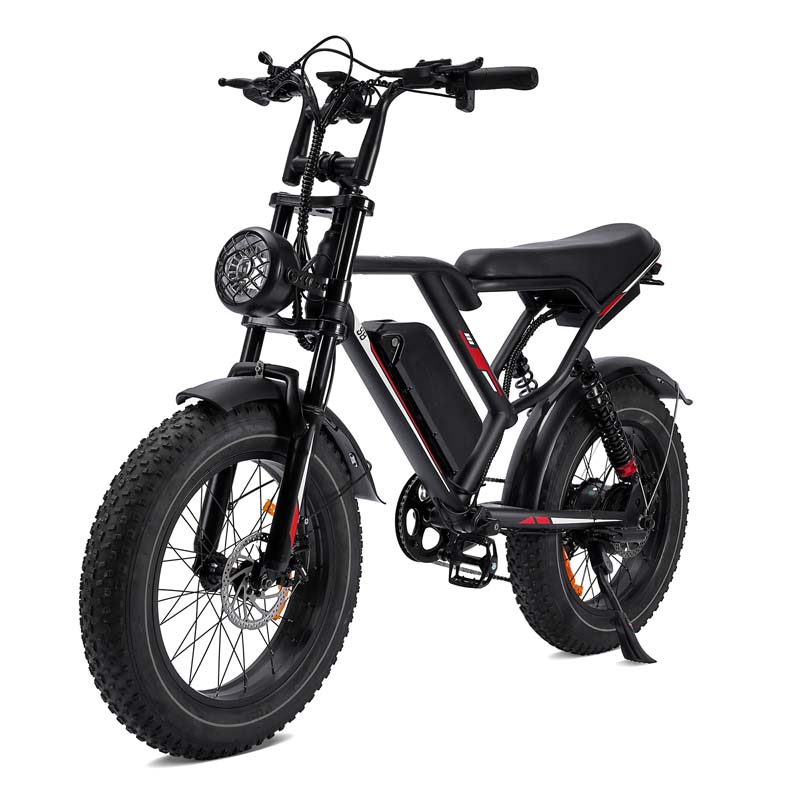
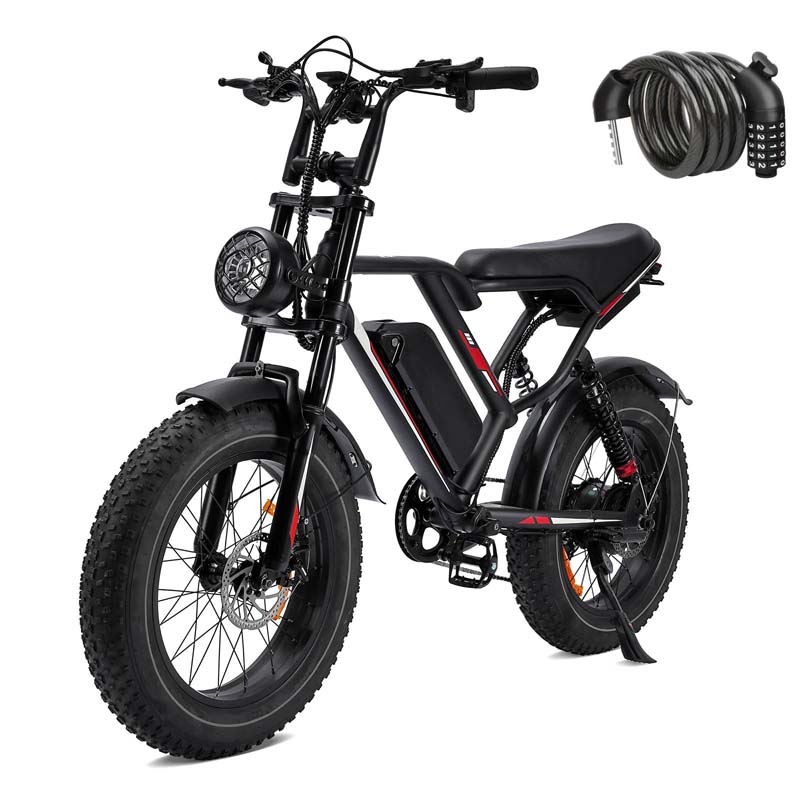
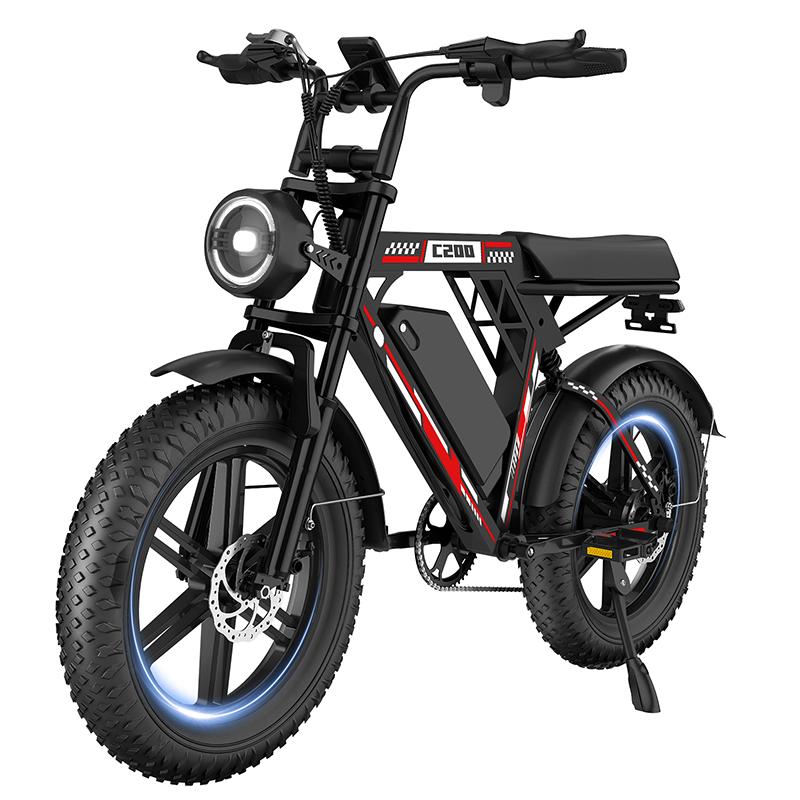
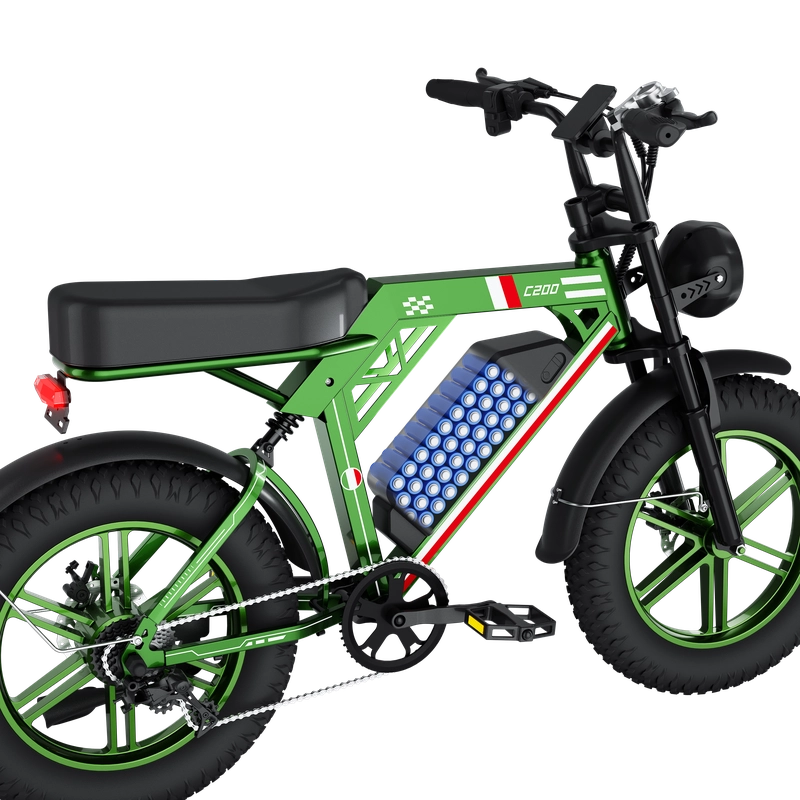
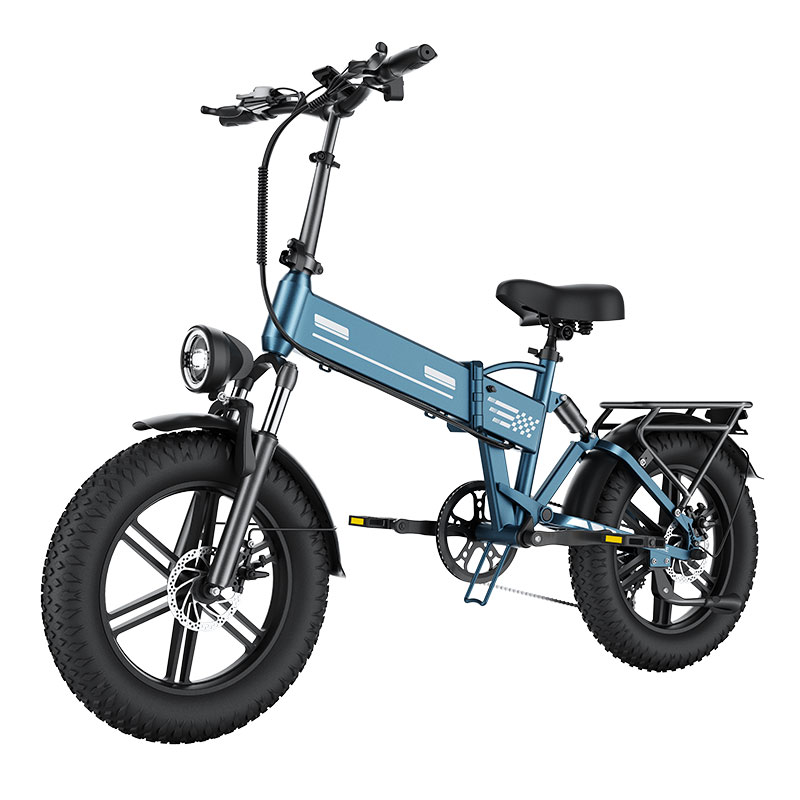
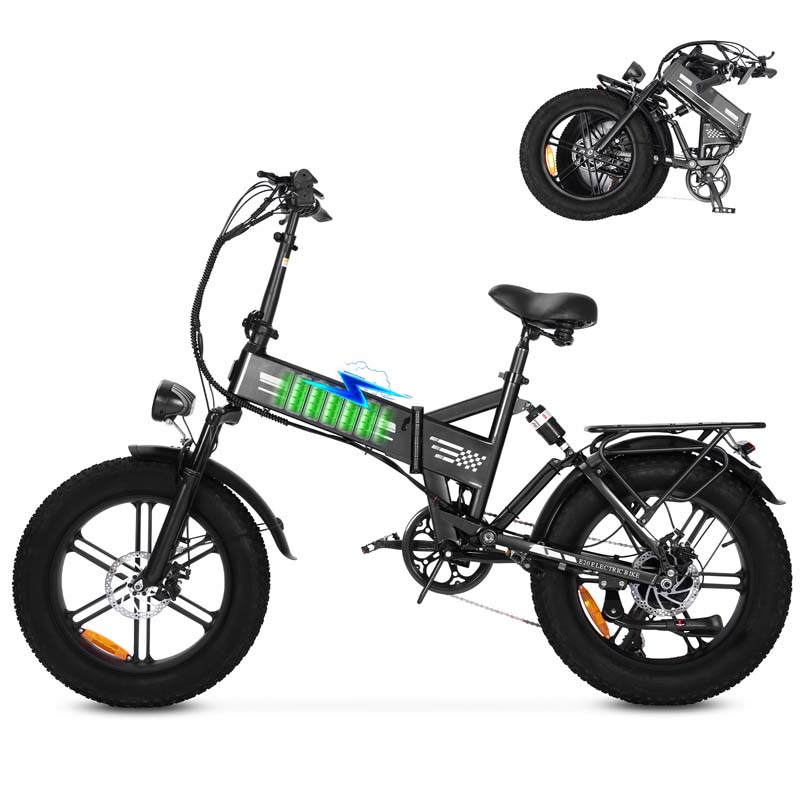
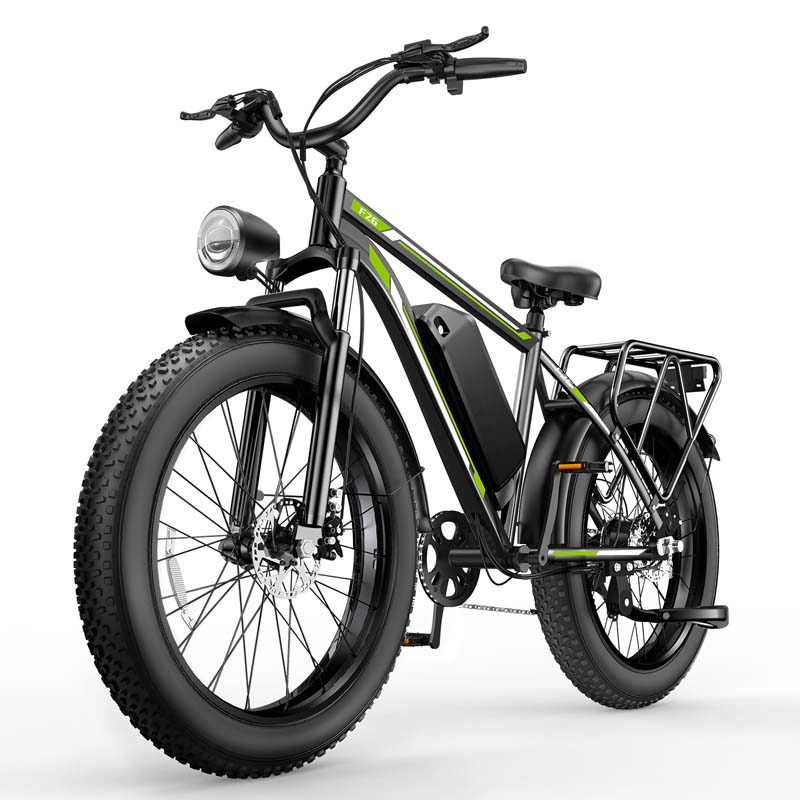
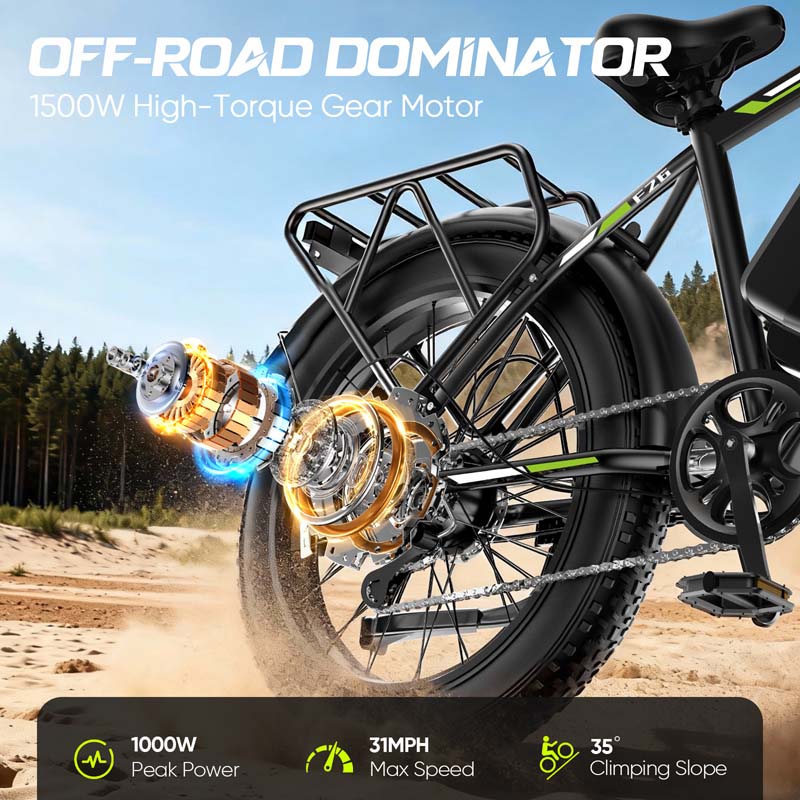
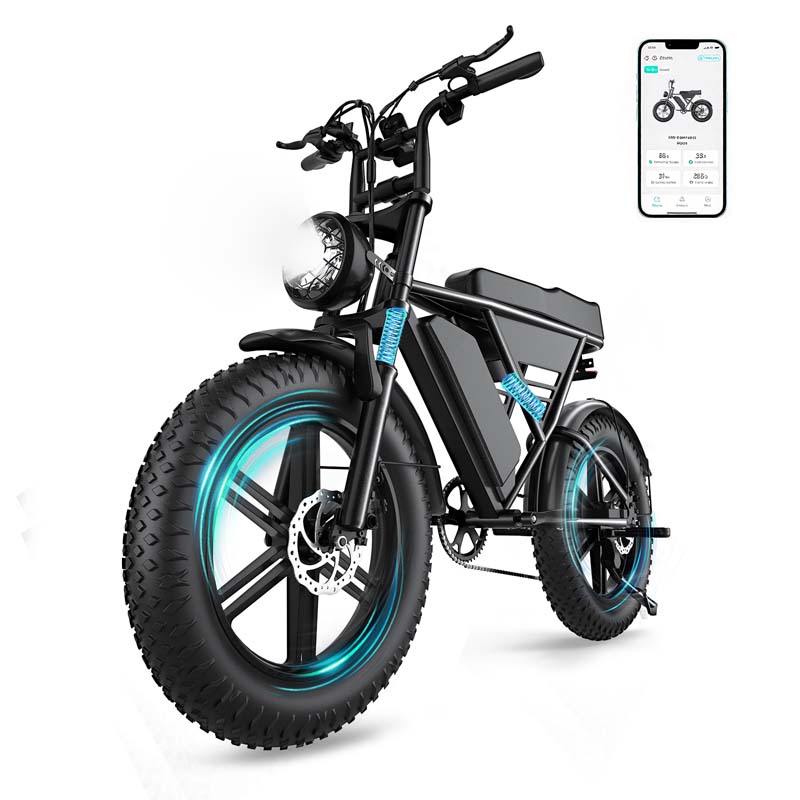
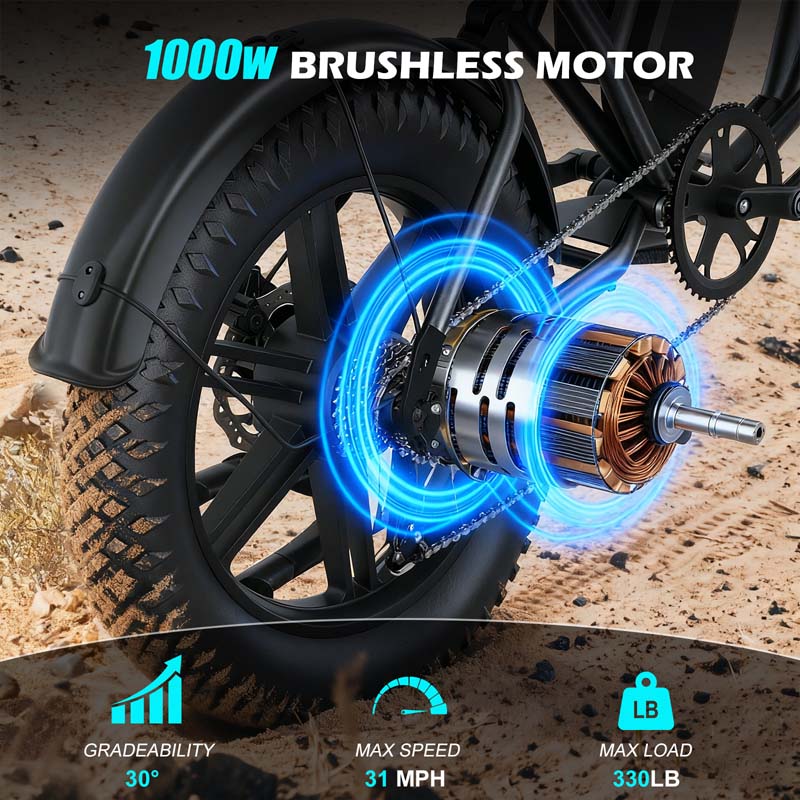
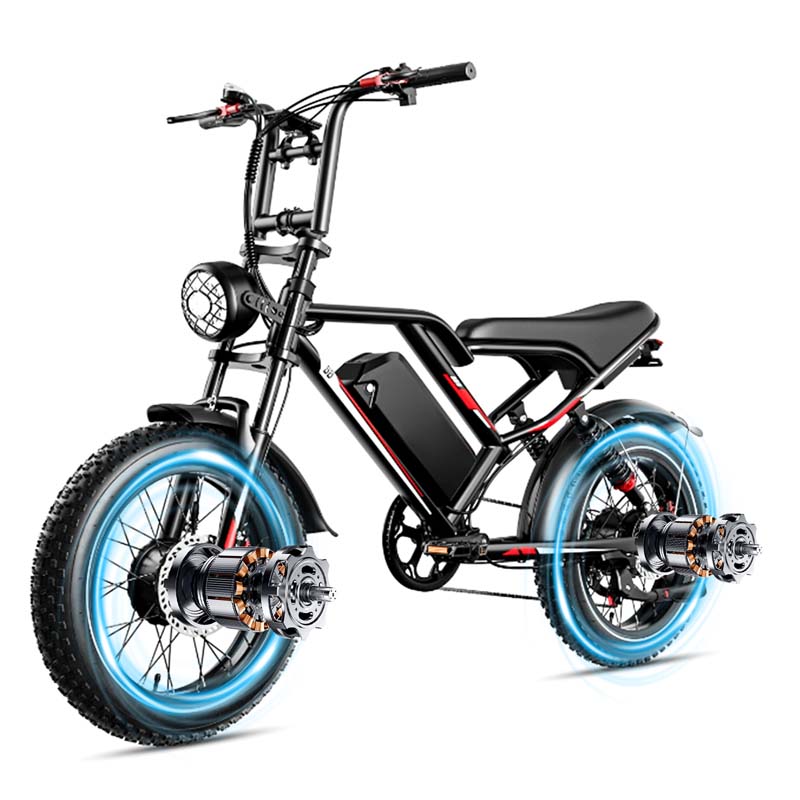
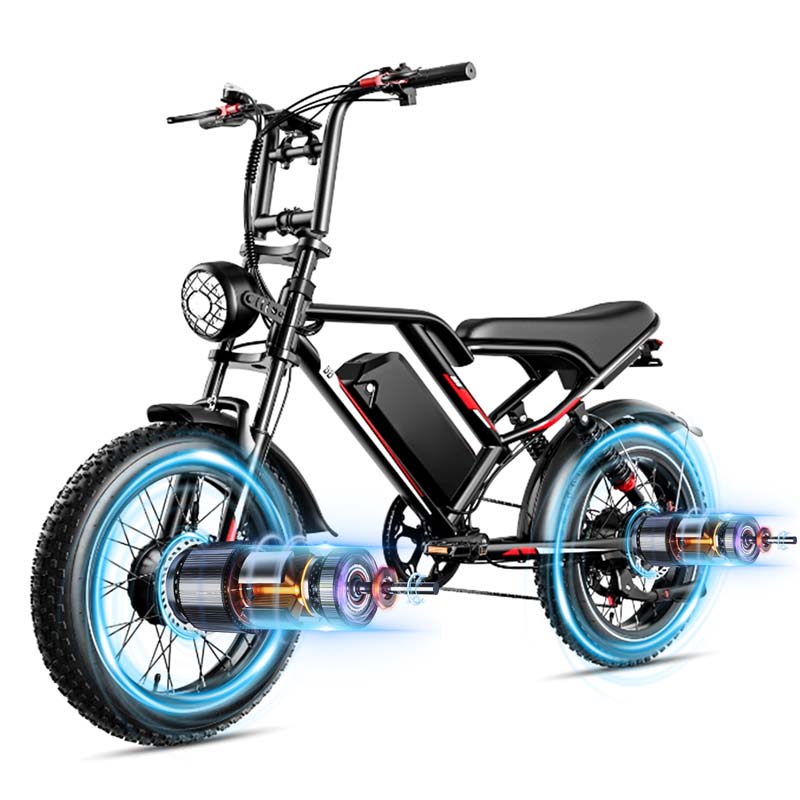
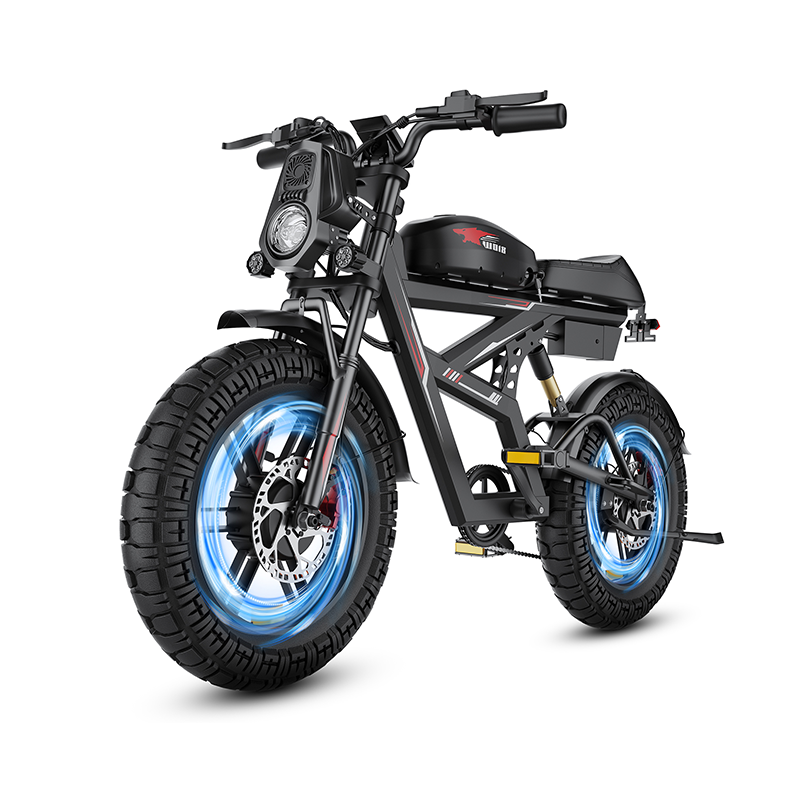
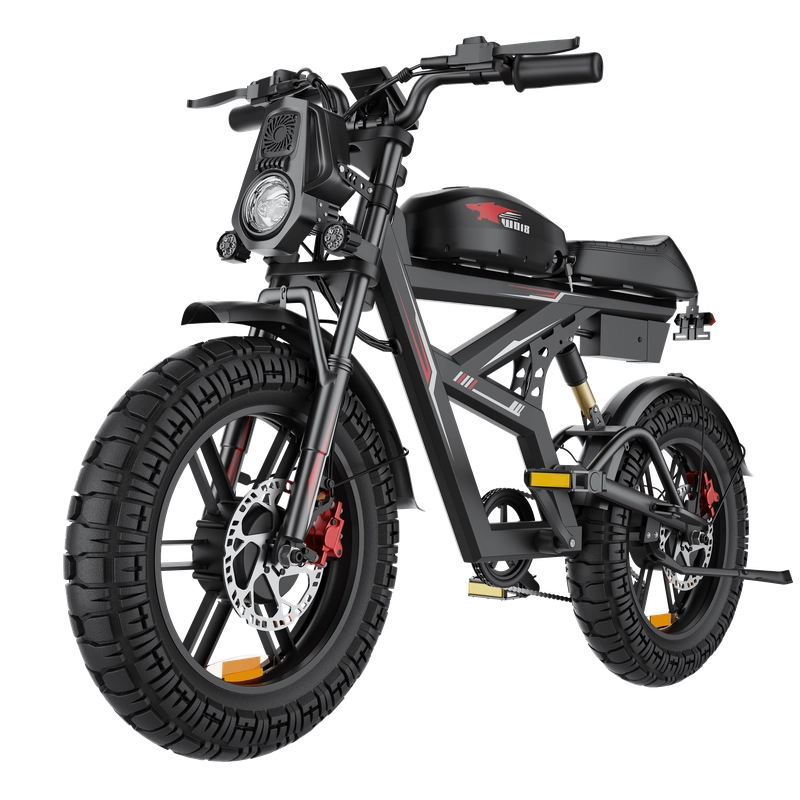


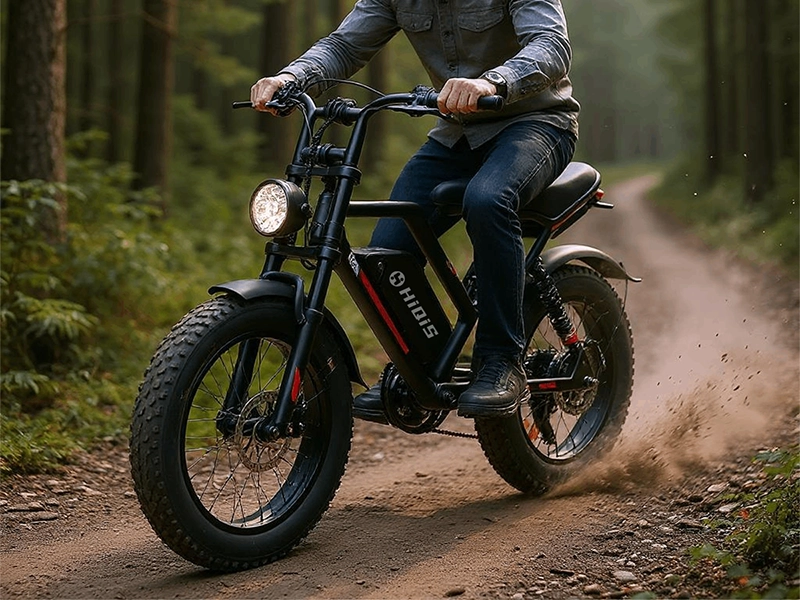
Mit der wachsenden Beliebtheit von Outdoor-Sportarten und umweltfreundlichen Transportmitteln, Elektrofahrräder für Erwachsene (E-MTBs) are becoming a favorite choice for commuters and adventure enthusiasts alike. Combining the power of electric assistance with the challenge of off-road riding, e-MTBs offer speed, endurance, and excitement. However, riding an adult mountain electric bicycle—especially on rugged terrain—requires careful preparation and awareness. Here are the key points riders should pay attention to for a safer and more enjoyable experience.
First, safety gear is essential. Wearing a certified helmet is the most important precaution, regardless of riding speed or distance. On mountain trails, additional protective equipment such as gloves, knee pads, elbow pads, and protective eyewear can significantly reduce the risk of injury. Electric bicycles can reach higher speeds than traditional bikes, making proper protection even more critical in case of sudden stops or falls.
Second, riders should understand their electric bicycle thoroughly before hitting the trails. This includes knowing how to operate different riding modes, such as pedal assist levels and throttle control, as well as understanding braking systems. Mountain e-bikes are often equipped with powerful disc brakes, and learning how to brake smoothly on downhill or loose surfaces can prevent accidents. Regularly checking battery level, motor response, and display information is also necessary to avoid unexpected power loss during rides.
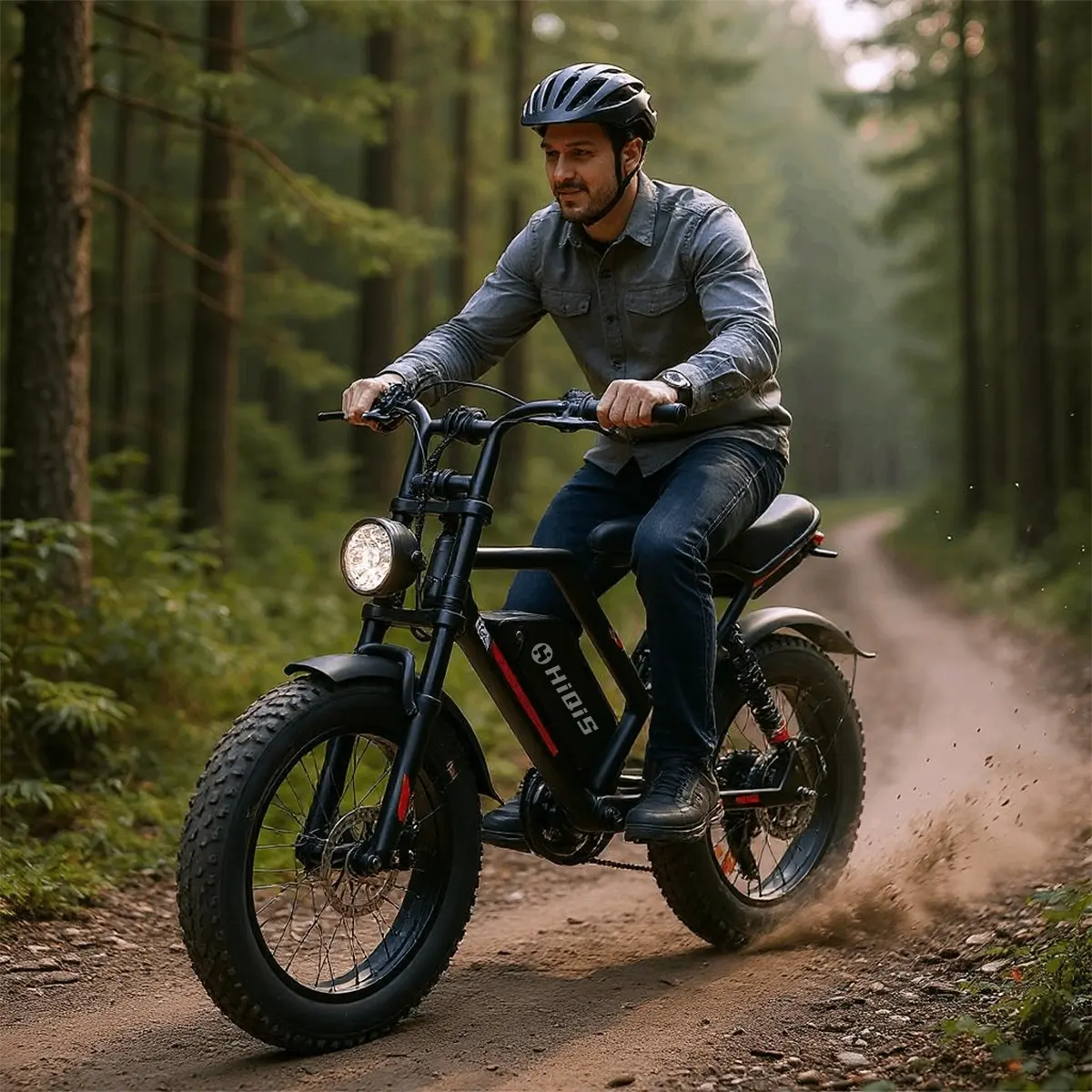
Third, terrain awareness and riding technique play a major role in safety. Mountain electric bicycles are designed for off-road conditions, but not all trails are suitable for every rider. Beginners should start with moderate trails and gradually progress to more technical terrain. When riding uphill, proper weight distribution helps maintain traction, while downhill riding requires controlled speed and stable posture. Riders should always stay alert for obstacles such as rocks, Sand, mud, or wildlife.
Fourth, maintenance and inspection should never be overlooked. Before each ride, it is recommended to check tire pressure, brakes, chain condition, suspension, and battery mounting. Off-road riding puts more stress on components, so routine maintenance ensures optimal performance and extends the lifespan of the bike. Using tires designed for mountain terrain can also improve grip and stability.
Finally, riders must respect local laws, trail rules, and environmental responsibility. Some regions have specific regulations regarding electric bicycles on mountain trails. Staying on designated paths, yielding to hikers, and avoiding damage to natural landscapes are all part of responsible riding. Weather conditions should also be considered, as rain, Schnee, or extreme heat can affect both safety and battery performance.