



Electric bikes continue to grow in popularity across cities and suburban areas. However, many riders still misunderstand important electric bike laws. As a result, some commuters accidentally violate local regulations and receive unnecessary fines.
Understanding your local state rules helps you ride safely, avoid legal problems, and enjoy a smoother commuting experience.
1. Learn the Three Main E-Bike Classes
Most states divide electric bikes into three categories. Therefore, riders should understand how each class works before riding on public roads or bike paths.
- Class 1: Pedal-assist only with a maximum speed of 20 mph
- Class 2: Includes throttle assistance with a maximum speed of 20 mph
- Class 3: Pedal-assist up to 28 mph
Because different states apply different rules to each class, riders should always verify local regulations.
2. Check Helmet Requirements
Helmet laws vary depending on age and e-bike classification. For example, some states require helmets for all Class 3 riders, while others only apply helmet rules to younger riders.
Therefore, checking your local helmet regulations can help you avoid fines and improve riding safety at the same time.
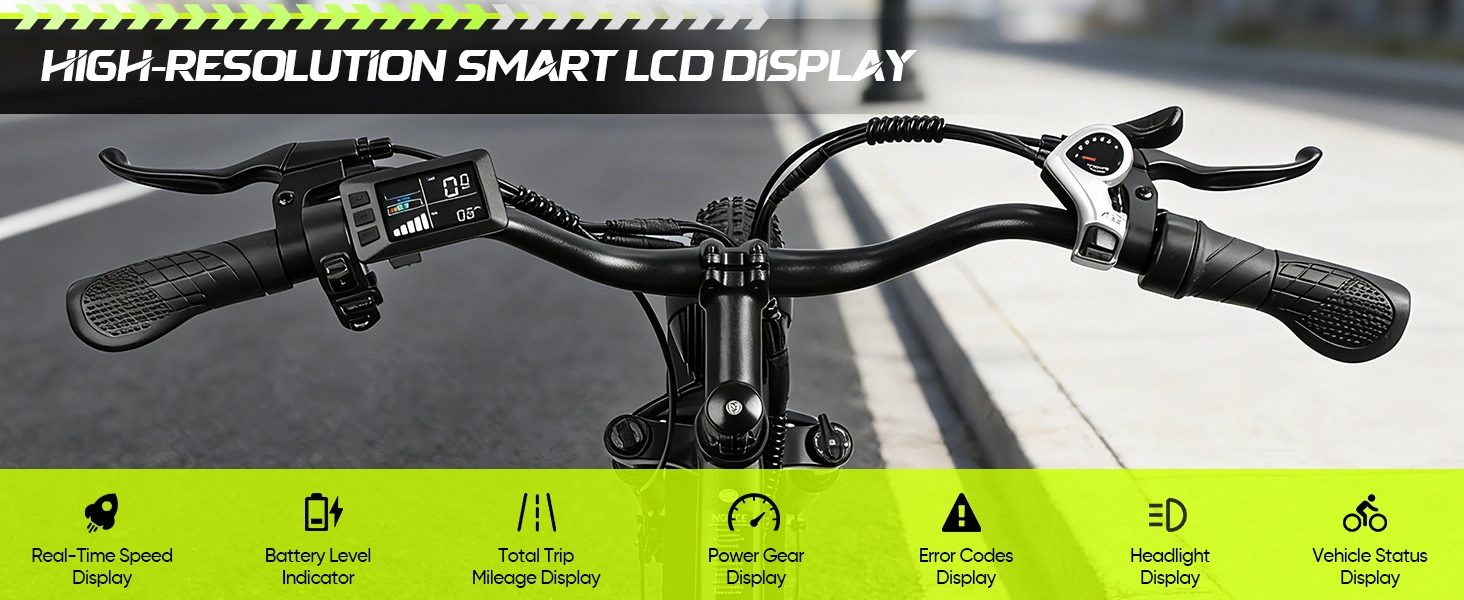
3. Understand Speed Limits and Restricted Areas
Many cities set speed limits for electric bikes on bike paths and shared pedestrian areas. In addition, some parks and trails restrict high-speed e-bikes completely.
As a result, riders should pay attention to posted signs and local traffic rules before entering restricted zones.
4. Know Where You Can Ride Legally
Some states allow electric bikes on bike lanes and public roads. However, other areas limit access depending on the bike class.
For instance, Class 3 e-bikes may not be allowed on certain multi-use paths. Therefore, riders should research local transportation laws before commuting daily.
5. Understand Registration and Licensing Rules
In many states, low-speed electric bikes do not require registration or a driver’s license. However, more powerful models may fall under moped or motor vehicle laws.
Because regulations differ between states, riders should verify whether their e-bike requires insurance, registration, or licensing.
6. Use Proper Lighting and Safety Equipment
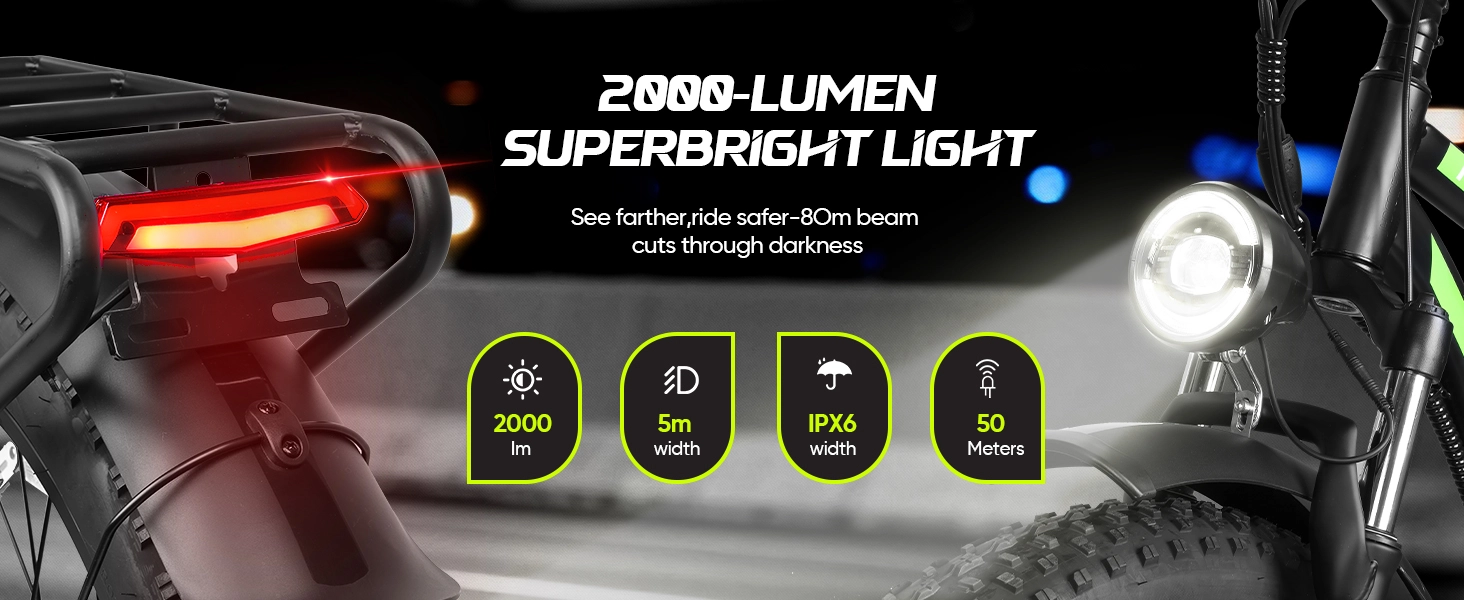
Most states require front lights and rear reflectors when riding at night. In addition, some areas require bells or additional visibility equipment.
Therefore, maintaining proper safety equipment not only improves visibility but also helps riders avoid penalties during nighttime riding.
Conclusion
Understanding electric bike laws helps riders avoid unnecessary police fines and ride more confidently. By learning local speed limits, helmet rules, bike classifications, and riding restrictions, commuters can stay compliant and safer on the road.
Because electric bike regulations continue to evolve, riders should regularly review local transportation laws before using their e-bike in new areas.
Frequently Asked Questions
Do electric bikes require a license?
In many states, low-speed electric bikes do not require a license. However, more powerful models may follow different regulations.
What is a Class 3 electric bike?
A Class 3 e-bike provides pedal assistance up to 28 mph and often follows stricter rules.
Do I need a helmet for an electric bike?
Helmet requirements vary by state and bike classification. Riders should check local laws before riding.
Can electric bikes use bike lanes?
Many states allow e-bikes in bike lanes, although some restrictions apply to higher-speed models.