


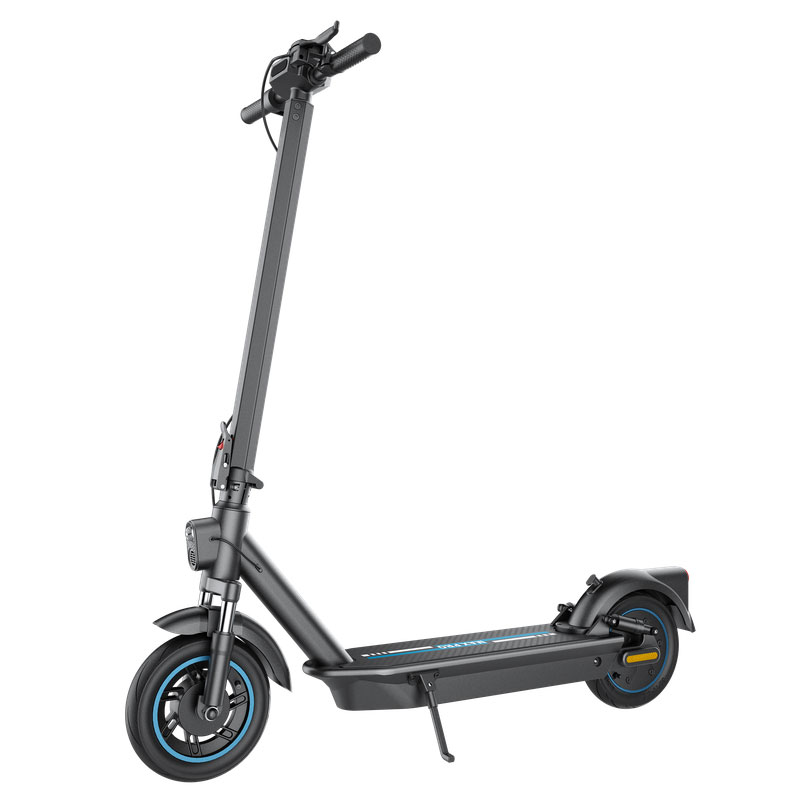
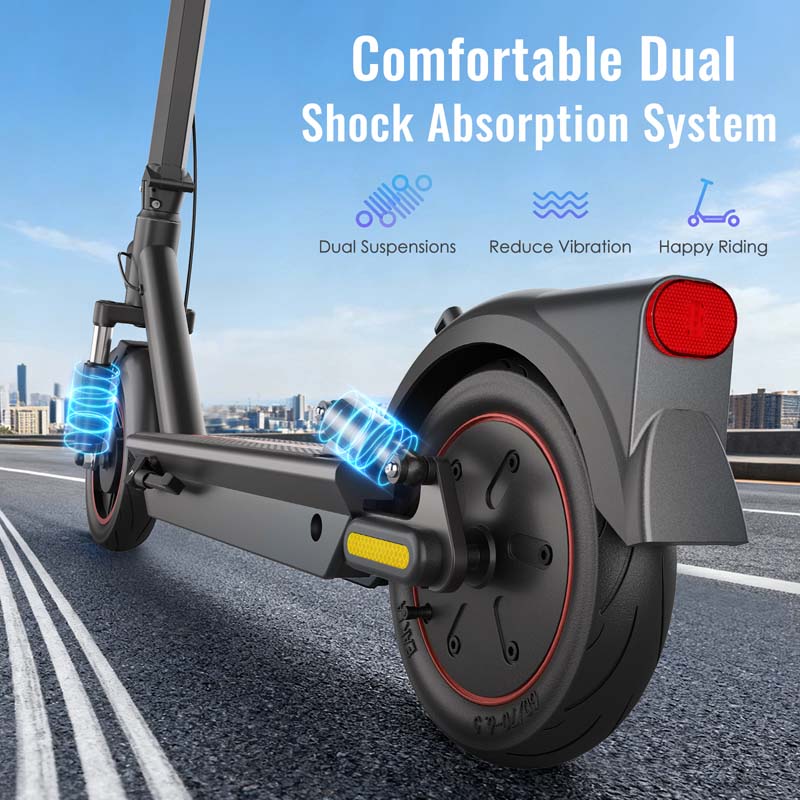
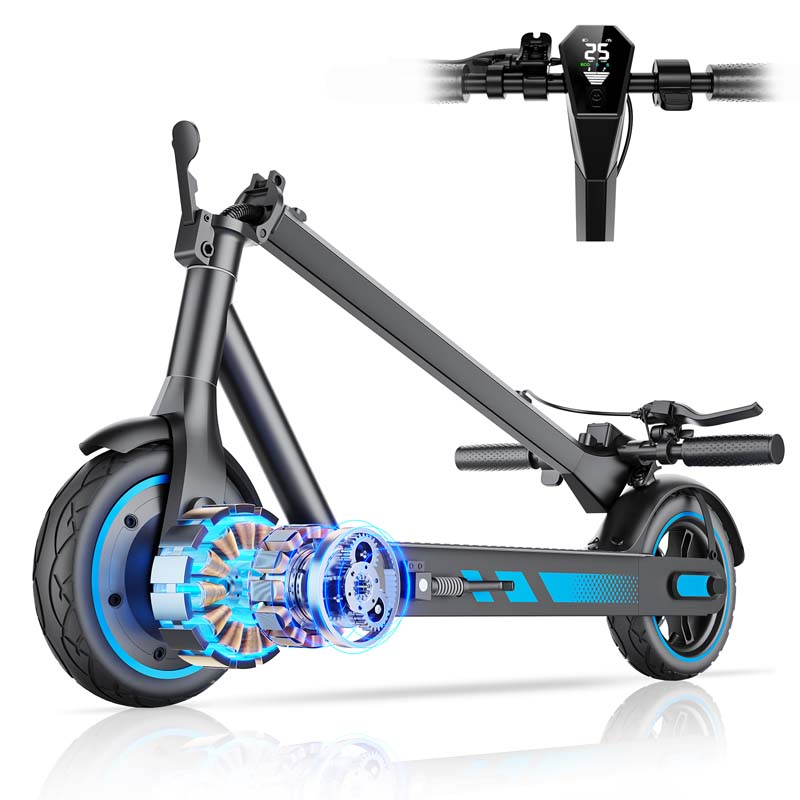
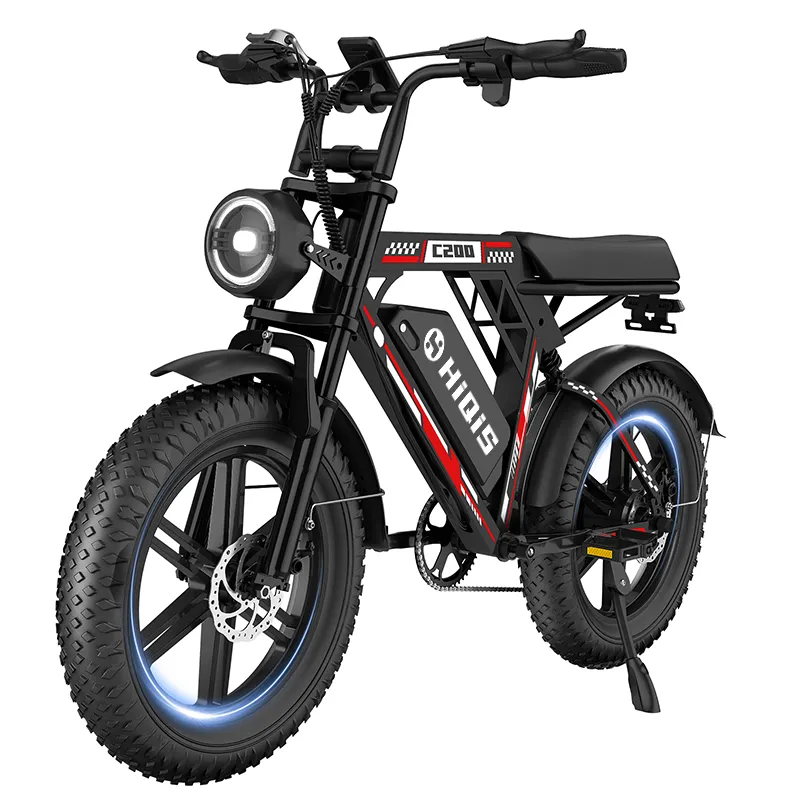
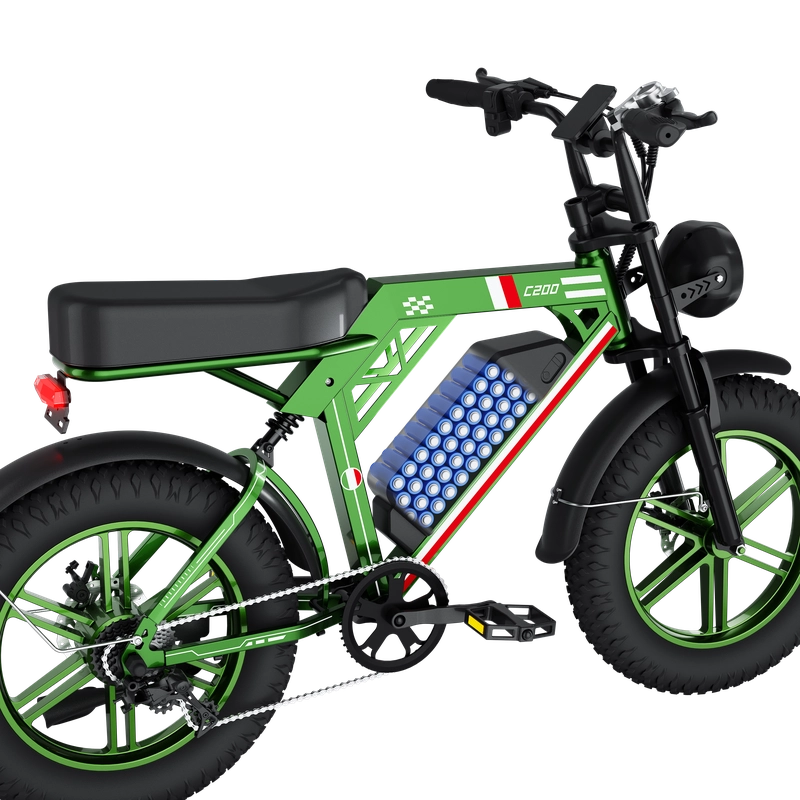
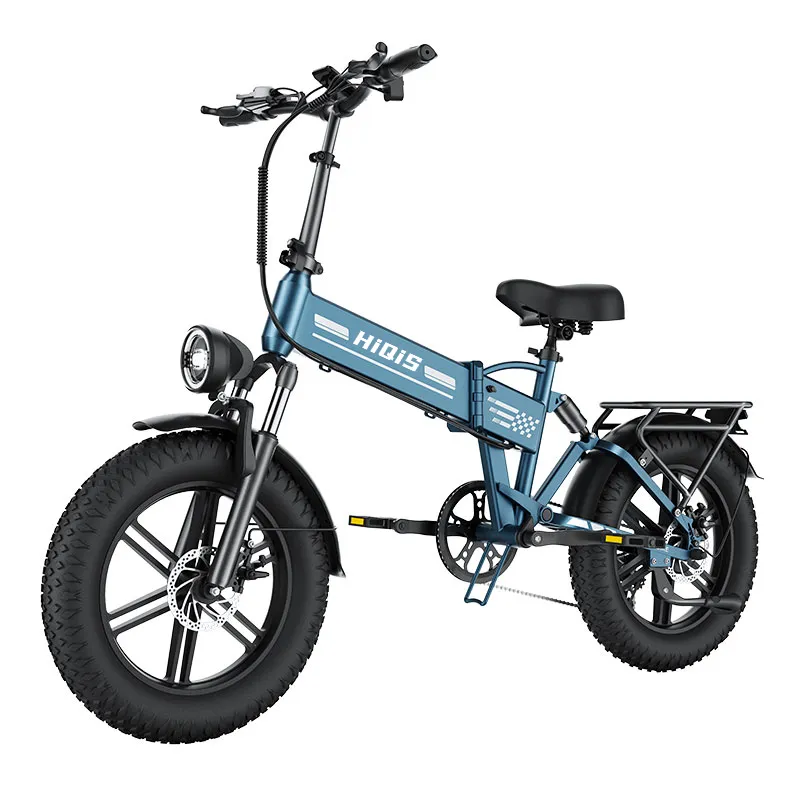
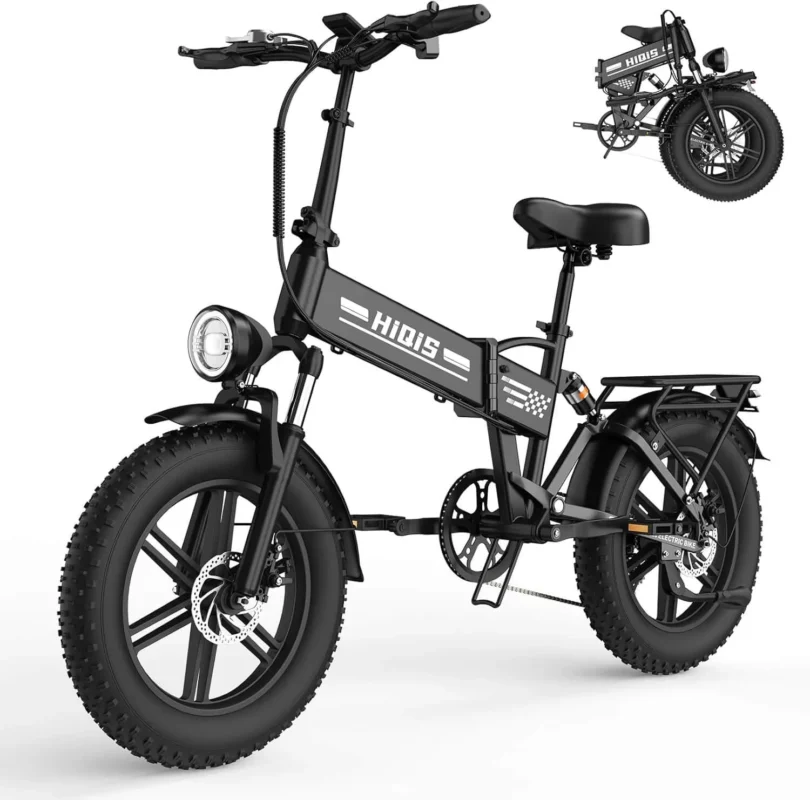
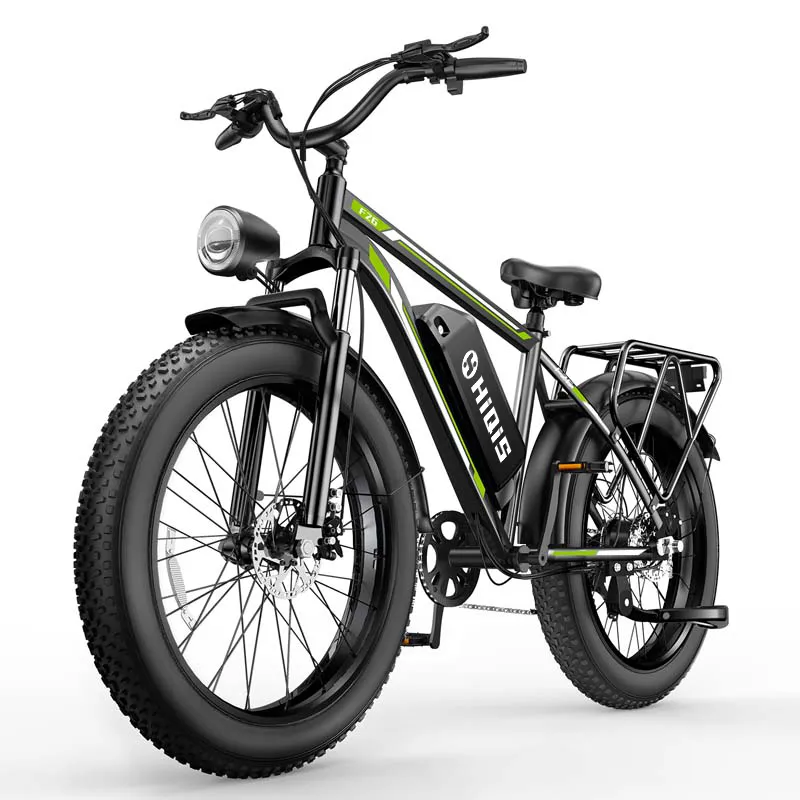
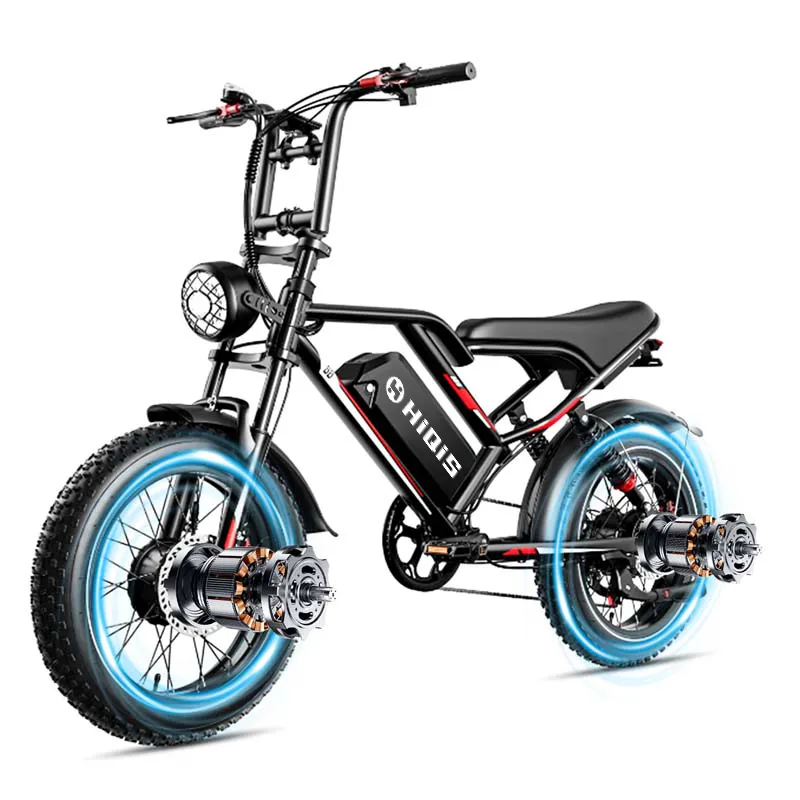
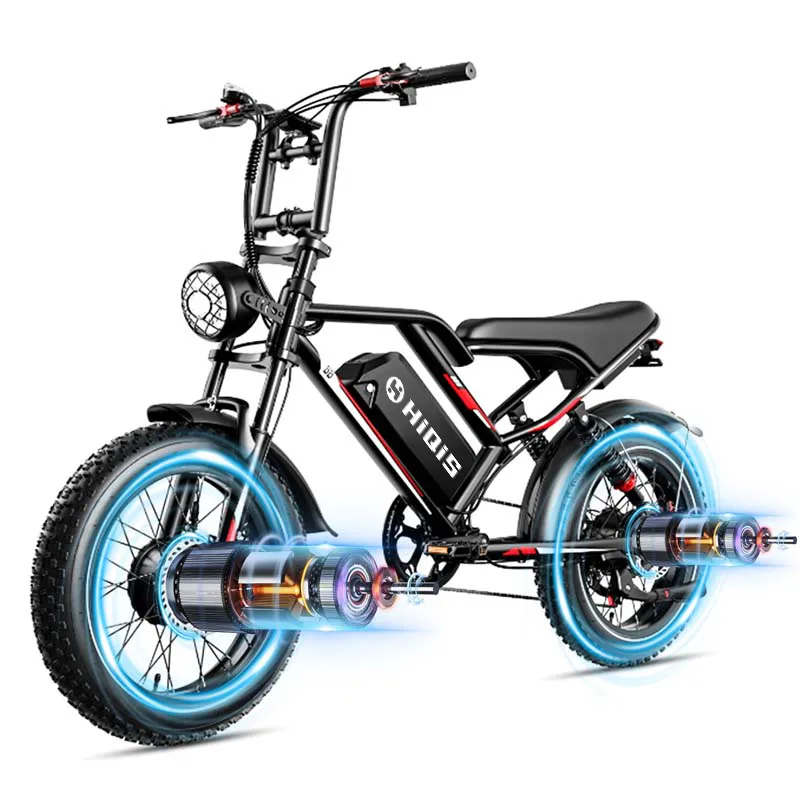
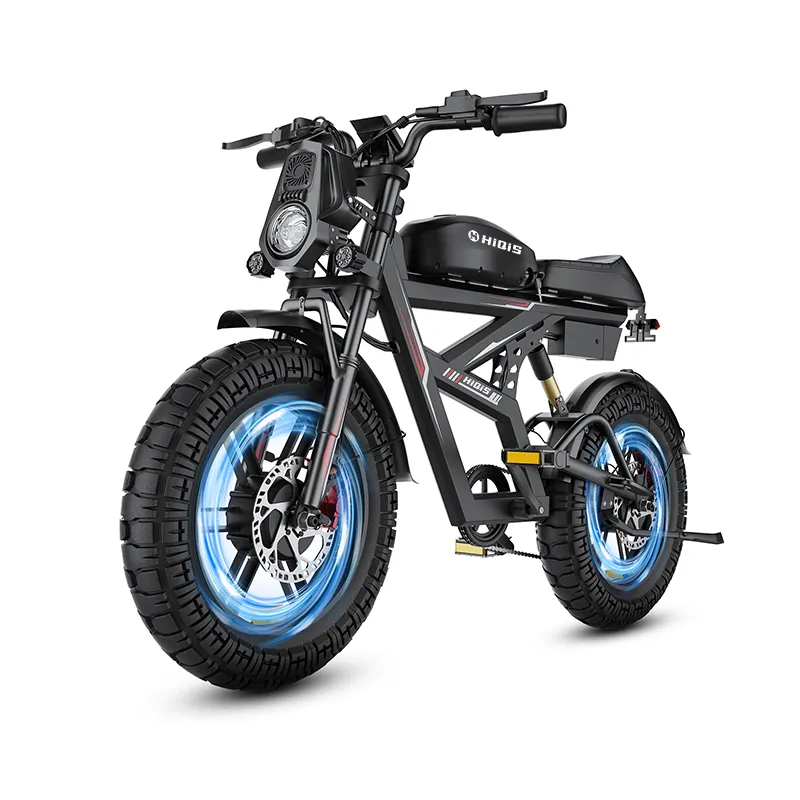
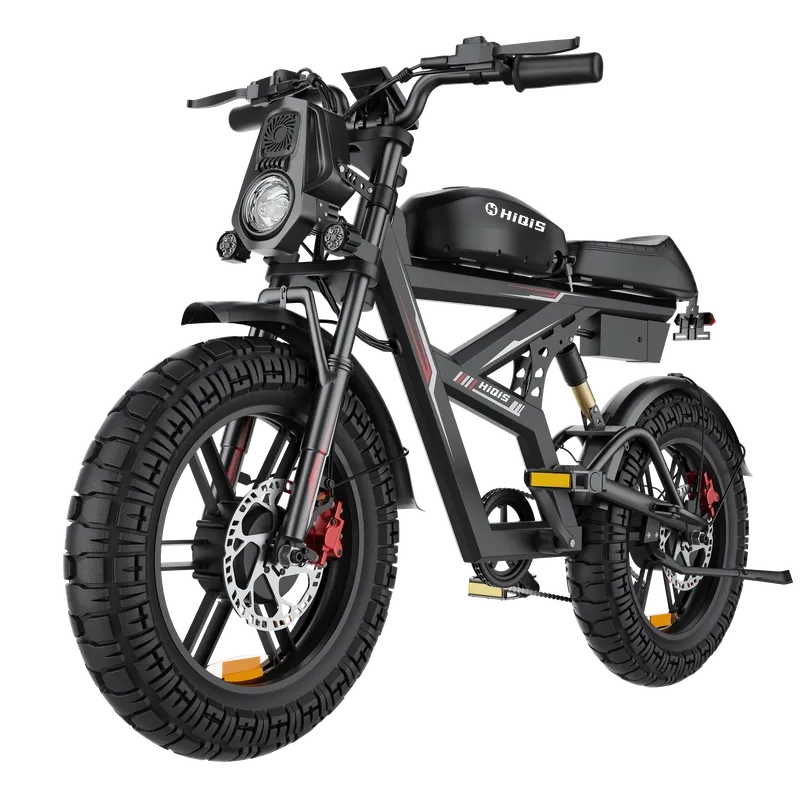


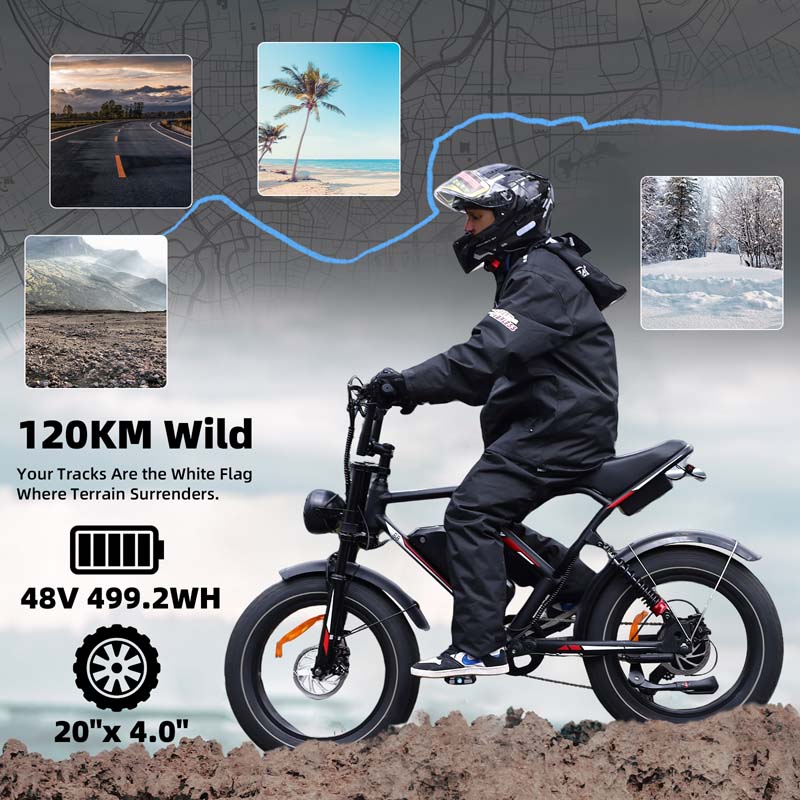
Choosing the right electric bike starts with understanding electric bike specifications. Whether you need a commuter e-bike for daily travel or a cargo e-bike for carrying goods, the right specs determine performance, comfort, and efficiency.
Therefore, this guide explains the key components of modern e-bikes and helps you compare commuter and cargo models more effectively.
1. Motor Power and Performance
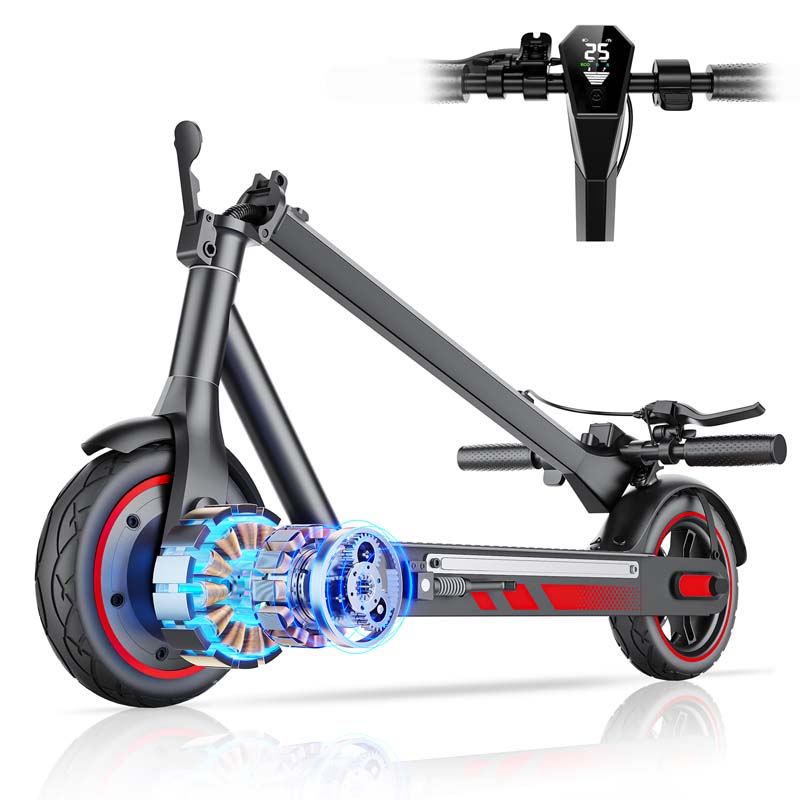
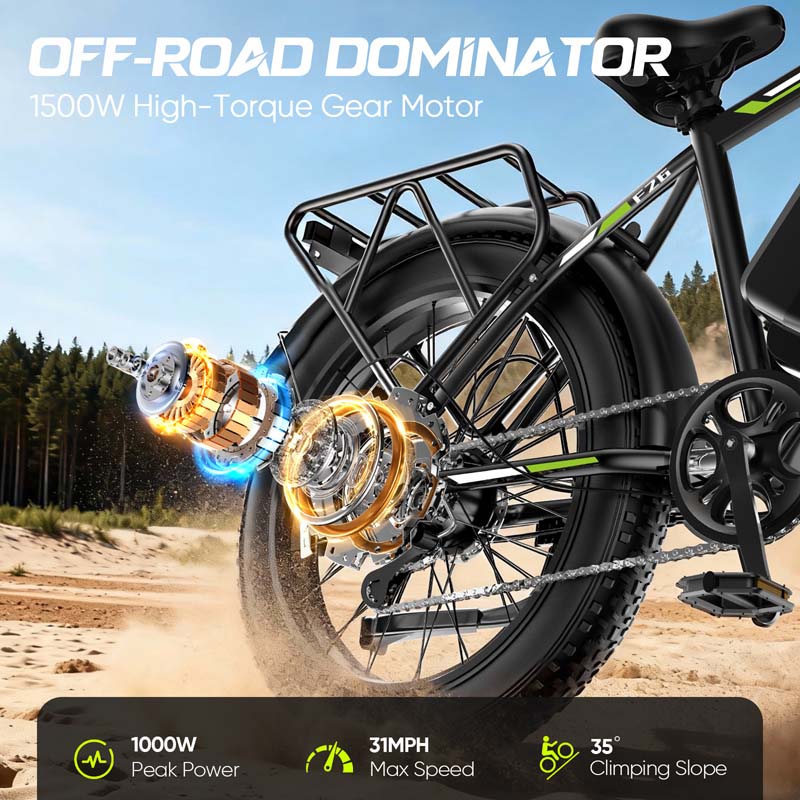
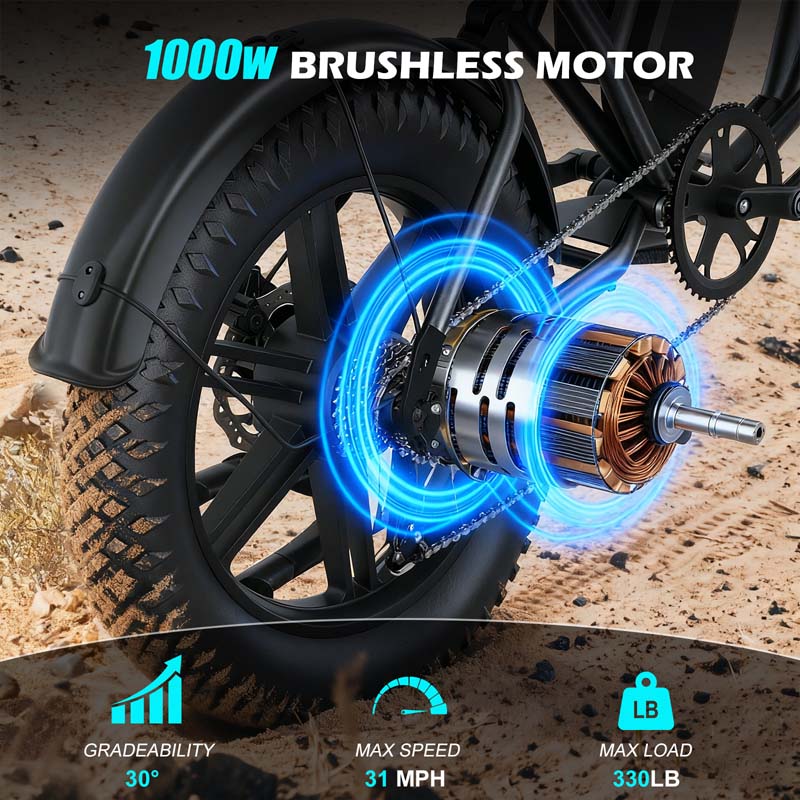
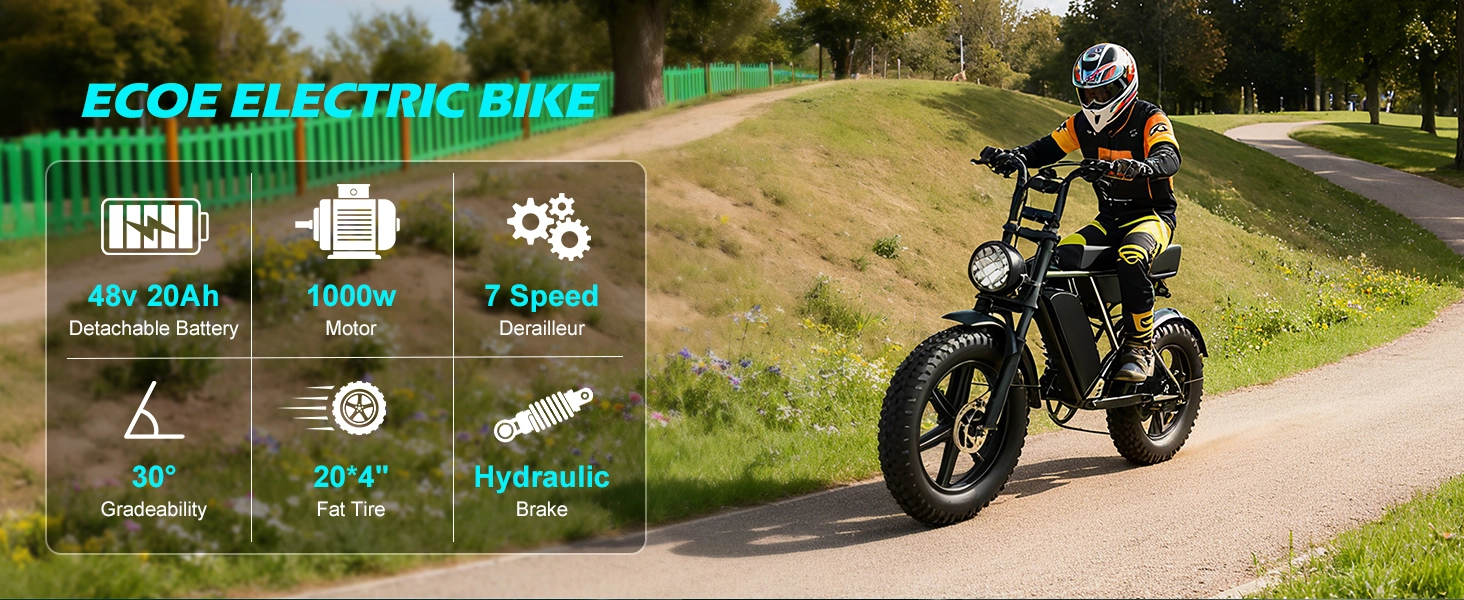
Motor power plays a major role in how an e-bike performs. Most commuter e-bikes use motors between 250W and 750W. In contrast, cargo e-bikes often require more powerful motors, usually ranging from 500W to 1000W.
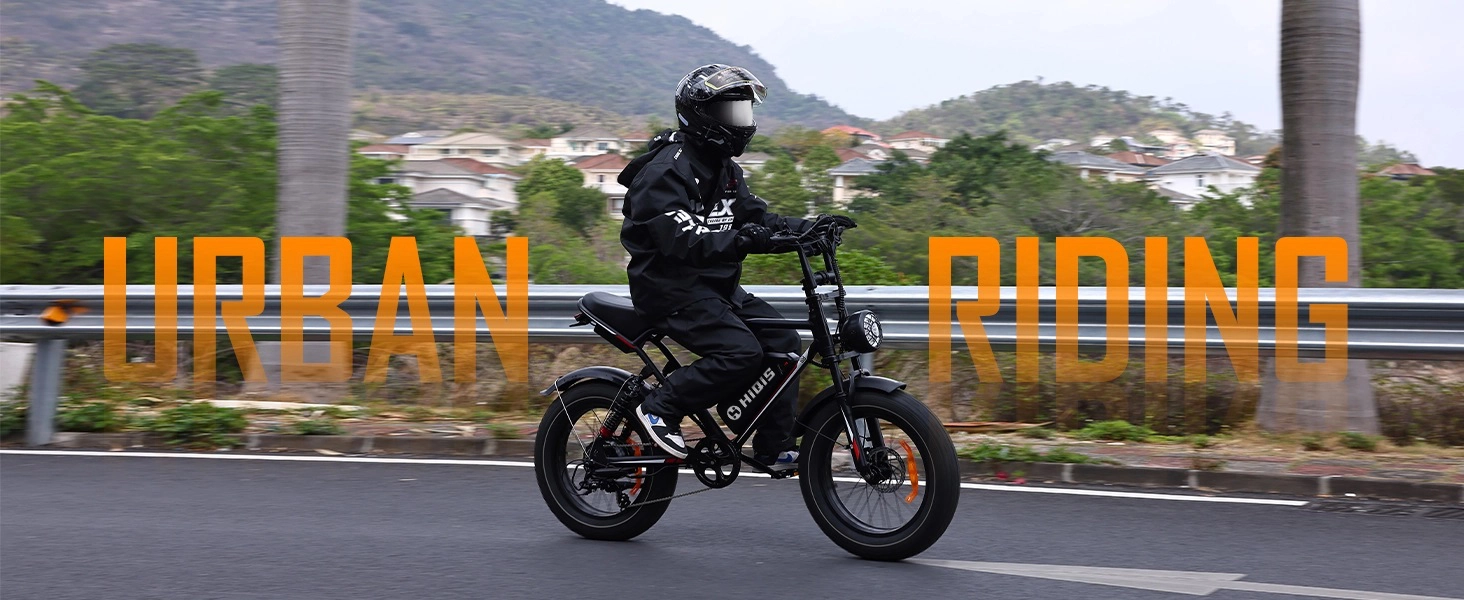
As a result, cargo models handle heavier loads and steep hills more easily. Meanwhile, commuter bikes focus on efficiency and smooth acceleration for city riding.
2. Battery Capacity and Range
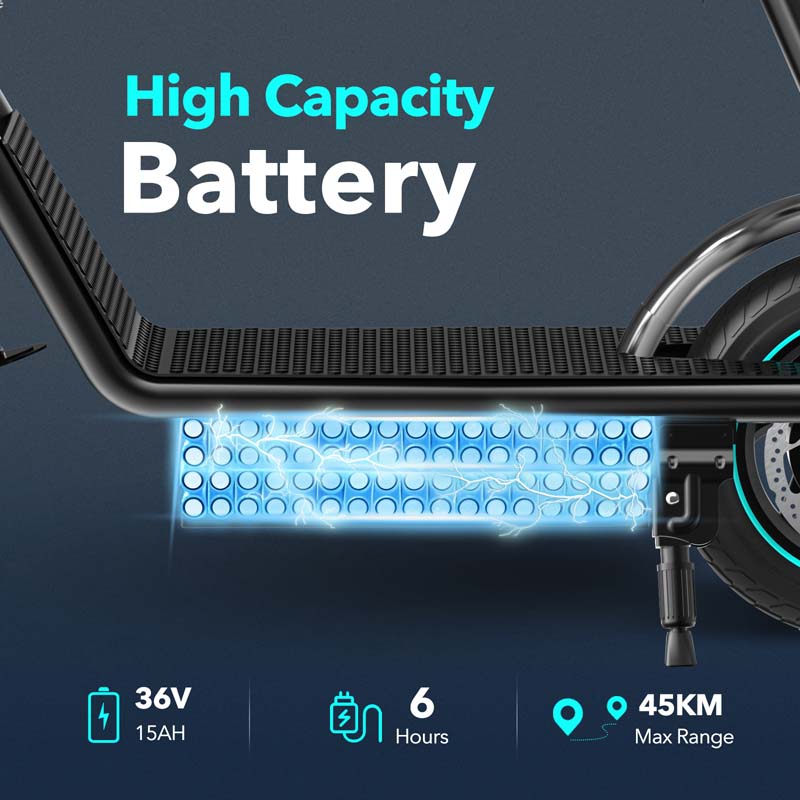
Battery capacity directly affects how far you can travel. Most modern e-bikes use lithium-ion batteries with capacities between 36V and 52V.
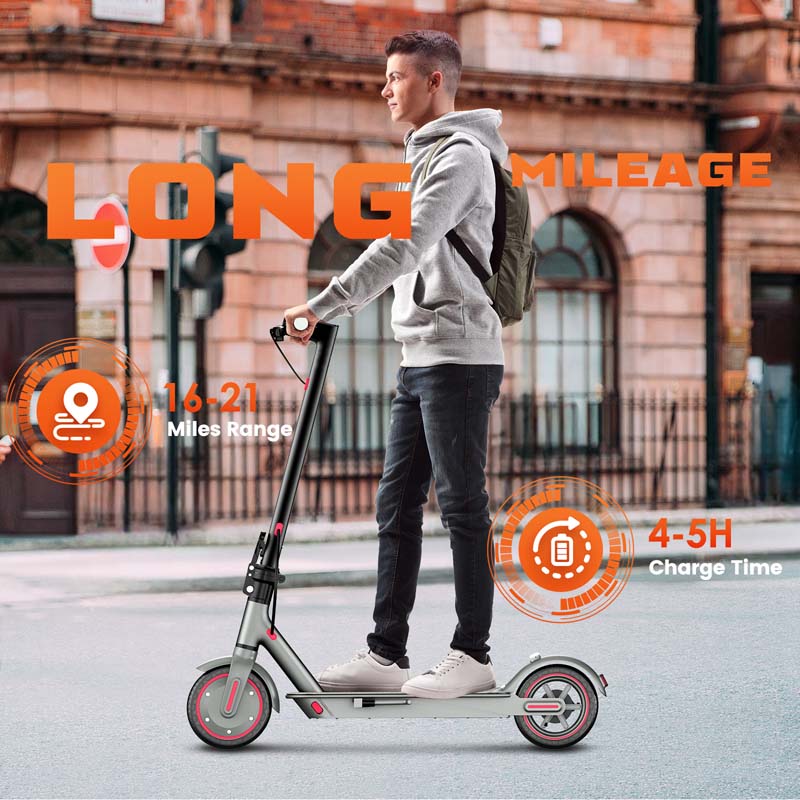
Commuter e-bikes typically offer a range of 25–60 miles. However, cargo e-bikes may consume more energy due to heavier loads. Therefore, they often include larger batteries to maintain similar range levels.
3. Frame Design and Load Capacity
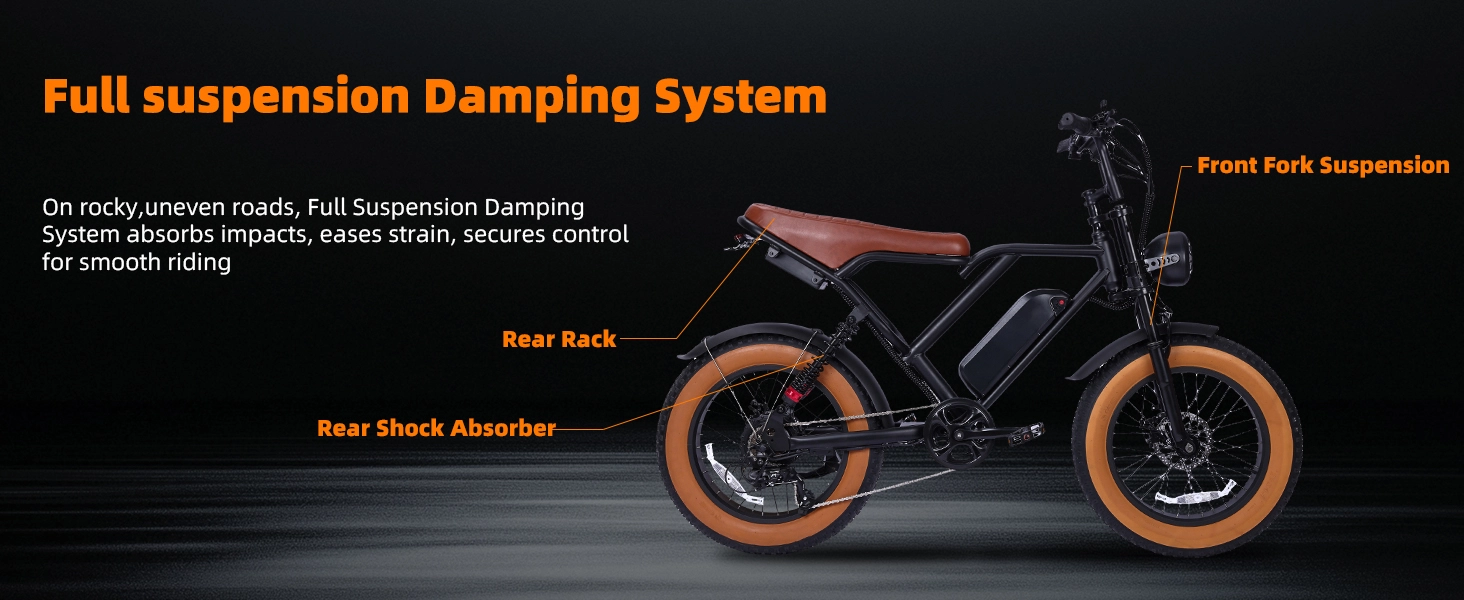
Frame design differs significantly between commuter and cargo e-bikes. Commuter bikes prioritize lightweight frames for speed and agility. On the other hand, cargo e-bikes use reinforced frames to support higher weight limits.
Because of this, cargo e-bikes can carry groceries, packages, or even passengers, while commuter models remain easier to maneuver in urban environments.
4. Tire Types and Stability
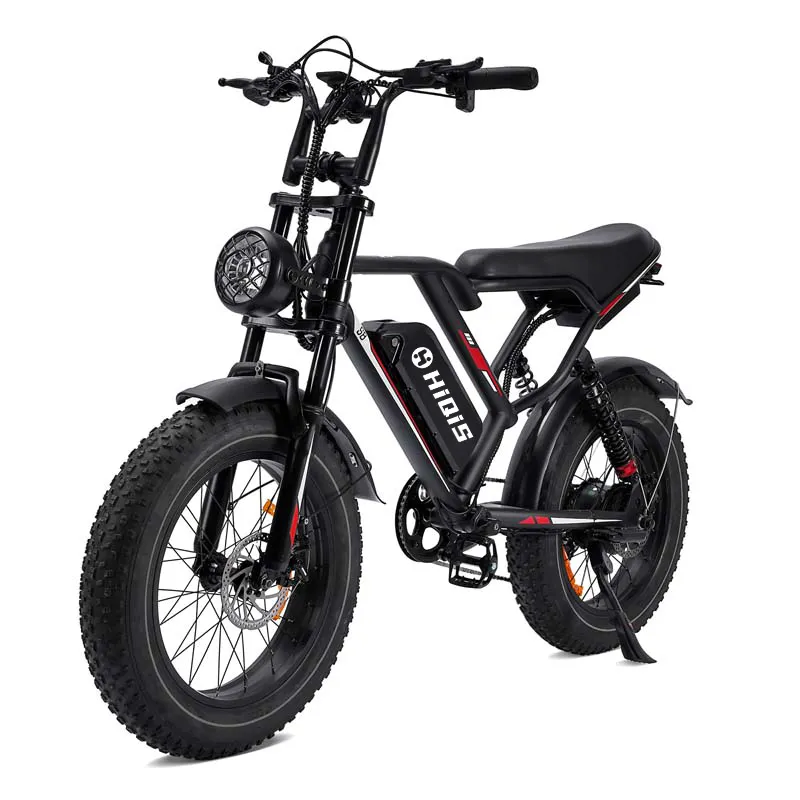
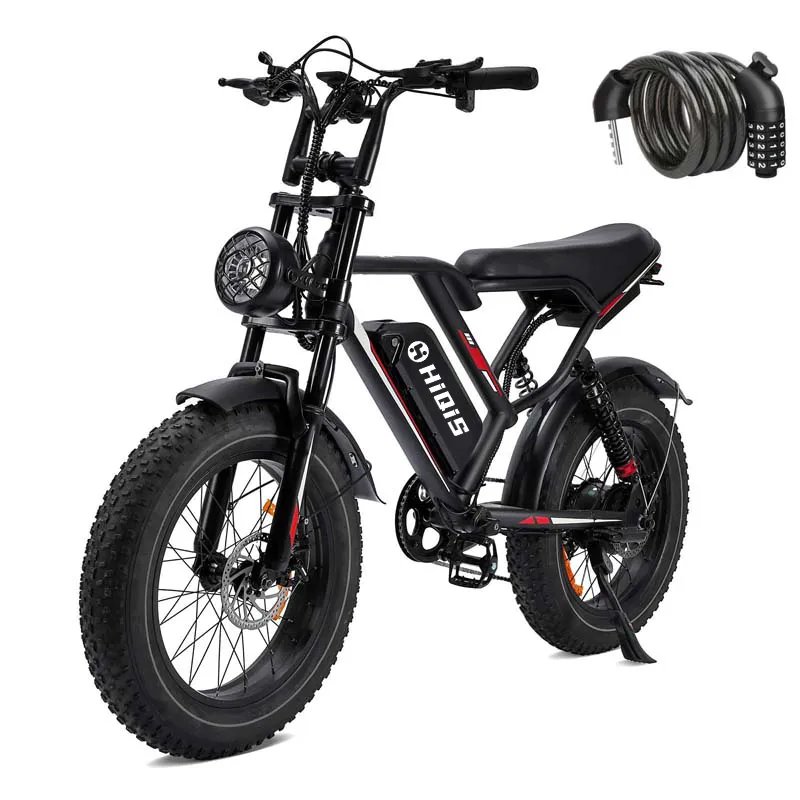
Tires influence both comfort and stability. Commuter e-bikes usually feature narrower tires that improve efficiency on paved roads. In contrast, cargo e-bikes often use wider or fat tires to increase stability under heavy loads.
As a result, riders experience better balance and control when transporting cargo.
5. Braking Systems and Safety
Safety features are essential for both types of e-bikes. Most modern models include mechanical or hydraulic disc brakes.
However, cargo e-bikes typically use stronger braking systems because they handle additional weight. Therefore, they provide more reliable stopping power in demanding situations.
6. Additional Features and Technology
Modern e-bikes include smart features that improve the riding experience. For example:
- LCD displays for speed and battery monitoring
- Pedal assist systems with multiple levels
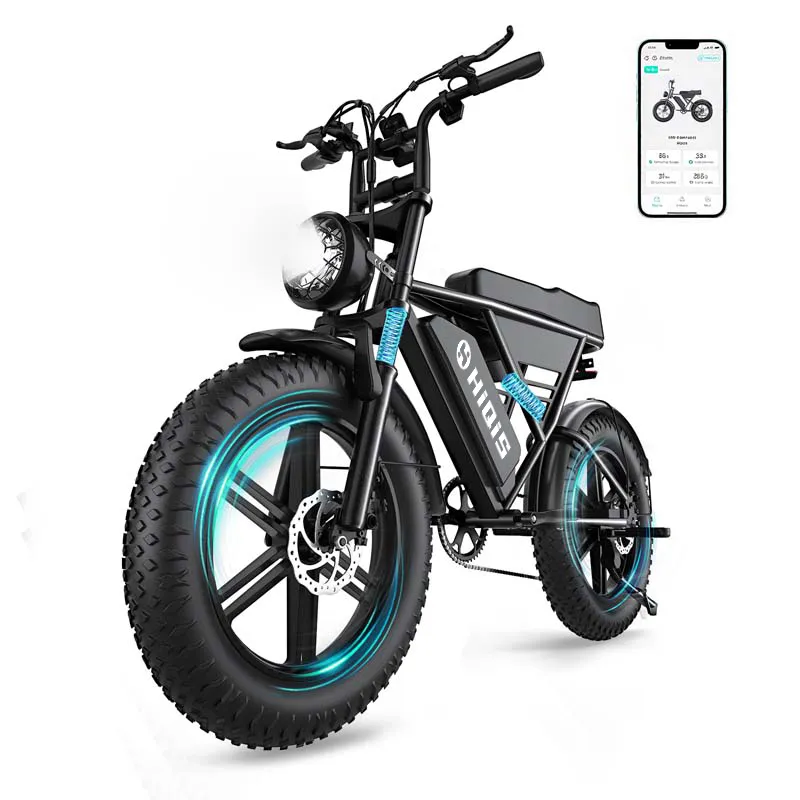
- Integrated lighting systems
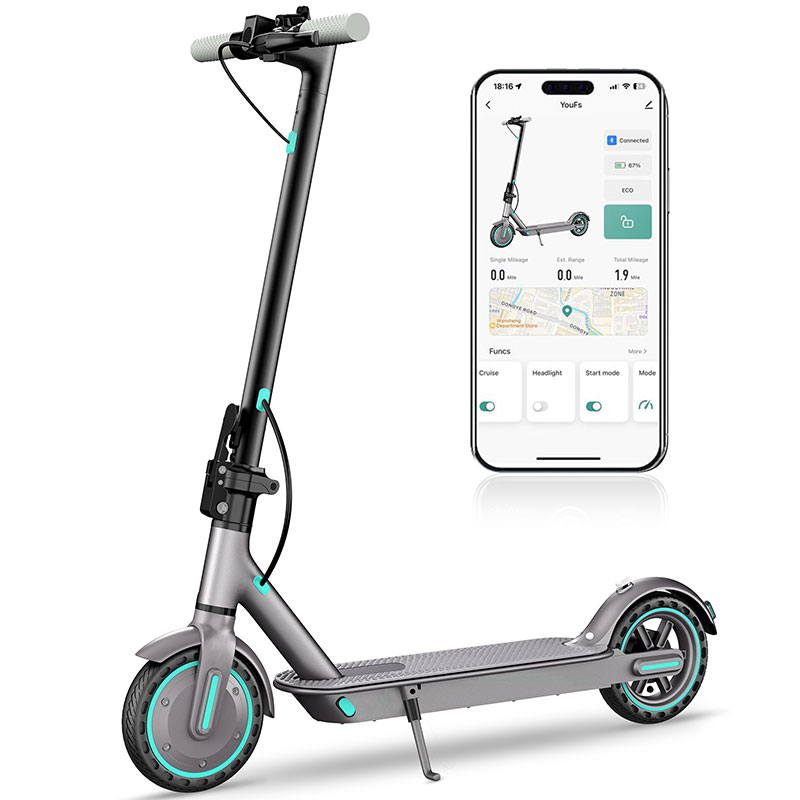
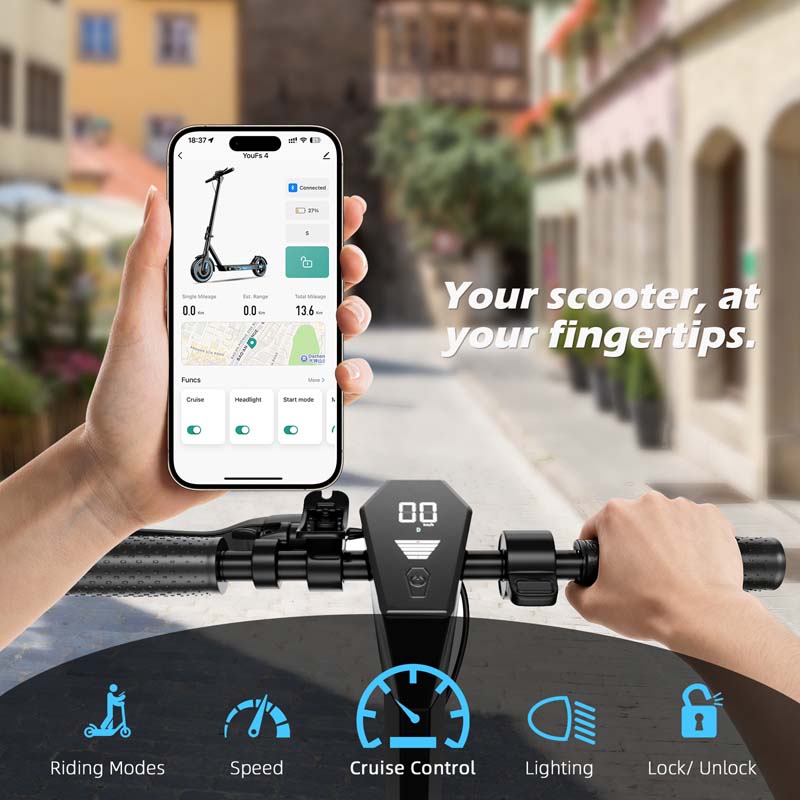
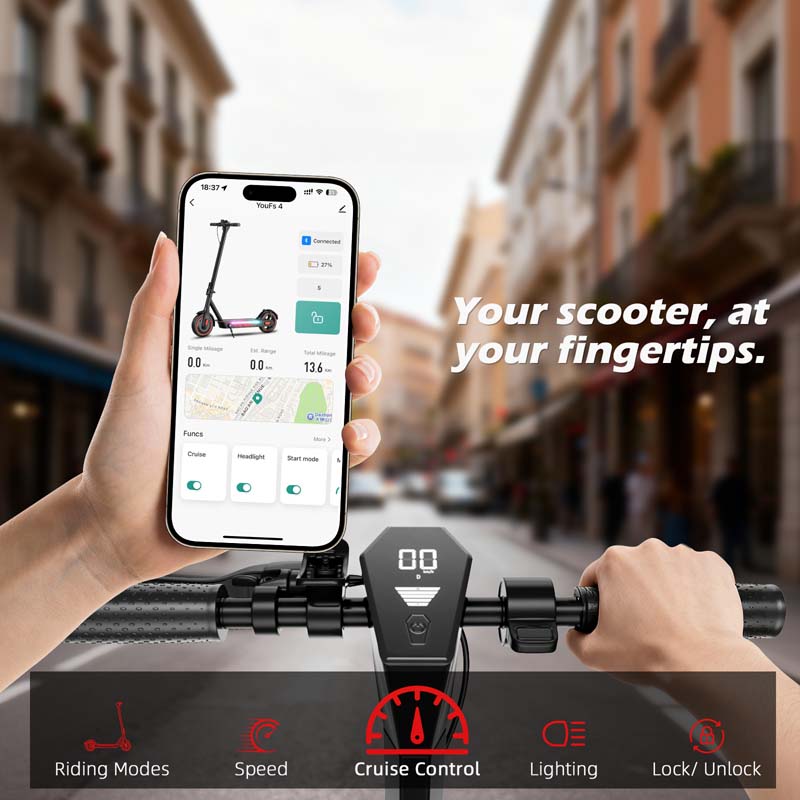
- App connectivity on advanced models
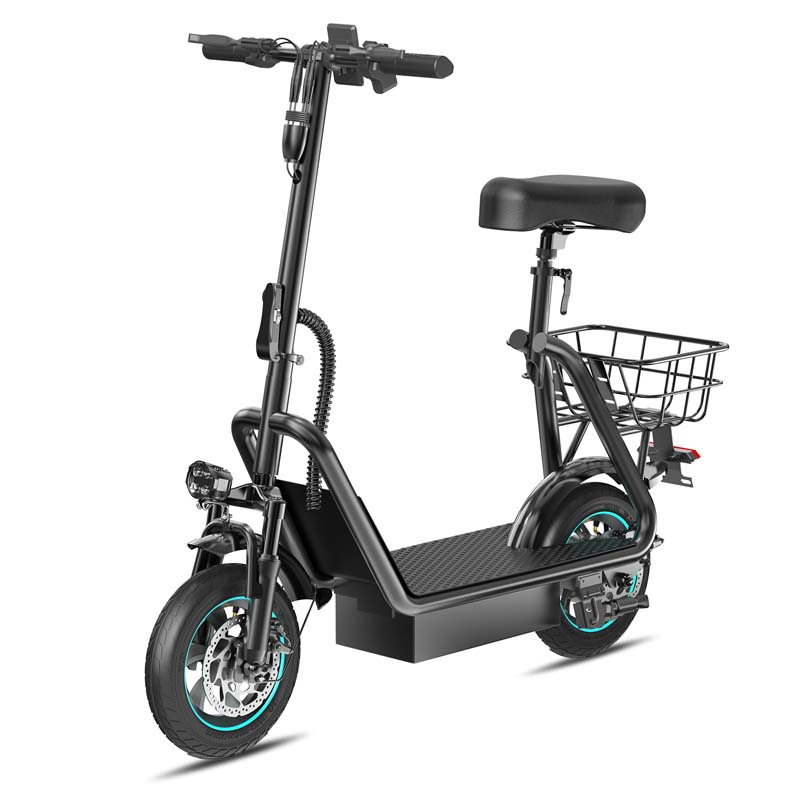
In addition, cargo e-bikes may include racks, baskets, or extended frames for carrying goods.
Conclusion
Understanding electric bike specifications helps you choose the right model for your needs. Commuter e-bikes offer speed, efficiency, and convenience for daily travel. Meanwhile, cargo e-bikes provide strength, stability, and higher load capacity.
Therefore, selecting the right specifications ensures better performance, safety, and long-term satisfaction.
Frequently Asked Questions
What motor power is best for commuter e-bikes?
Most commuter e-bikes perform well with motors between 250W and 750W.
Are cargo e-bikes harder to ride?
No. Although they are heavier, electric assistance makes them easy to control.
How far can an electric bike travel?
Most modern e-bikes travel between 25 and 60 miles per charge, depending on battery size and usage.
Which is better: commuter or cargo e-bike?
It depends on your needs. Commuter bikes suit daily travel, while cargo e-bikes are ideal for carrying loads.