


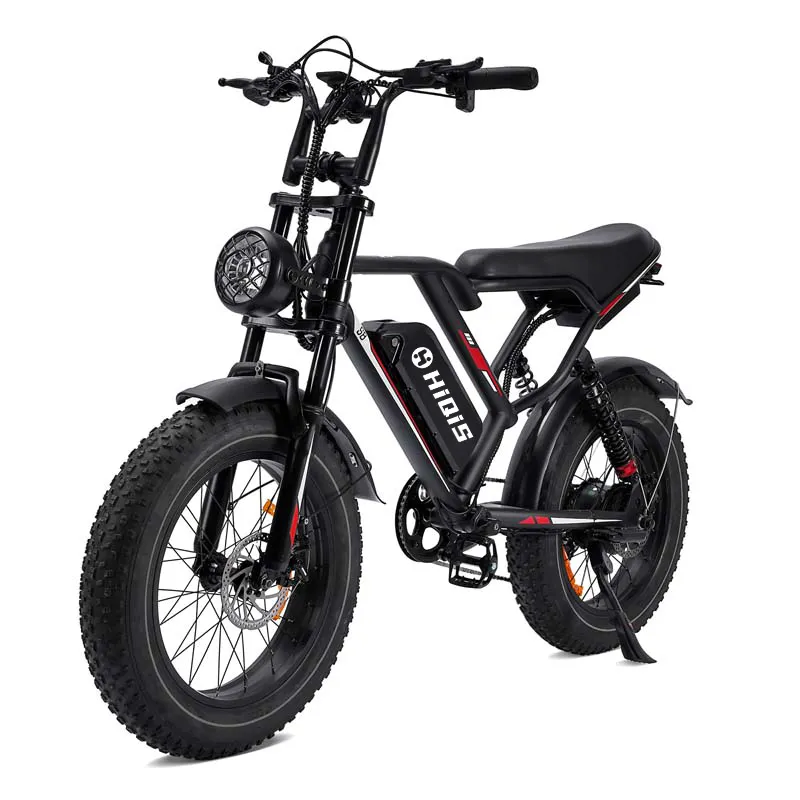
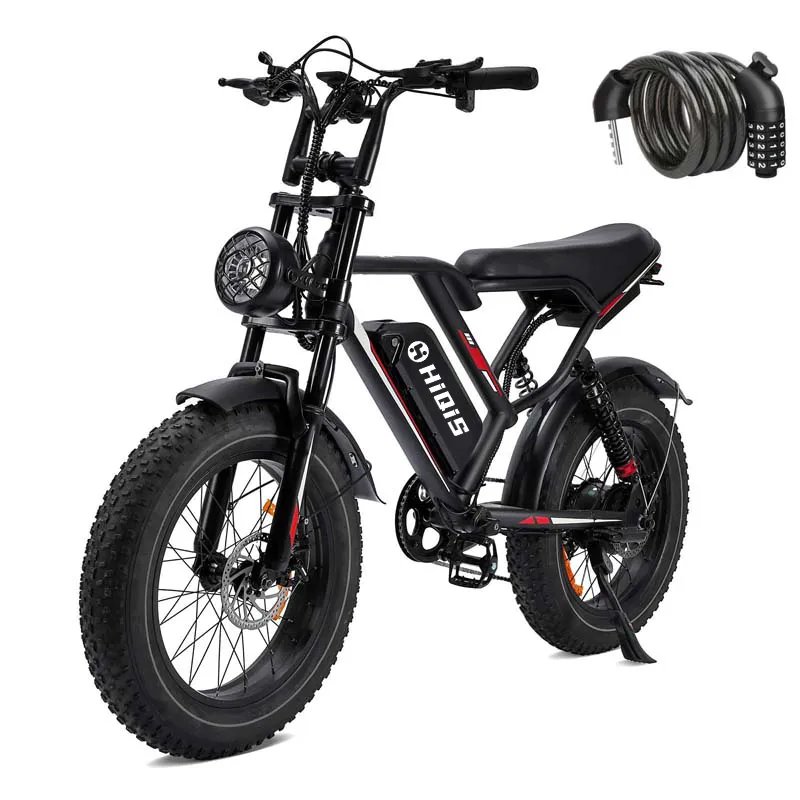


As adult electric bicycles become increasingly popular for commuting, recreation, and outdoor exploration, rider safety has become a major concern for both new and experienced users. While e-bikes offer convenience, speed, and efficiency, they also require a higher level of awareness and responsibility compared to traditional bicycles. Maximizing personal safety while riding an adult electric bicycle involves proper preparation, correct riding habits, and continuous attention to the riding environment.
The first and most important step is wearing appropriate safety gear. A certified helmet is essential and should be properly fitted to protect the head in case of accidents. Additional protective equipment such as gloves, knee pads, elbow pads, and protective eyewear can significantly reduce the risk of injury, especially at higher speeds. Wearing bright or reflective clothing also improves visibility, making it easier for drivers and pedestrians to notice the rider.
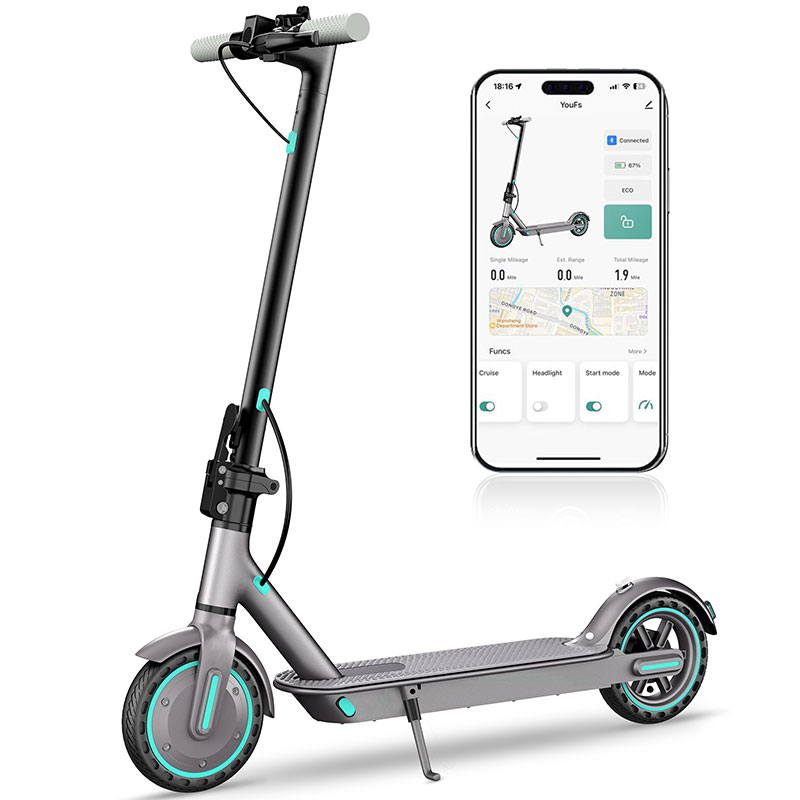
Understanding your electric bicycle and its features is another key aspect of safety. Riders should familiarize themselves with the bike’s control system, pedal-assist levels, throttle response, and braking performance before riding in traffic or challenging environments. Electric bicycles accelerate faster than traditional bikes, so smooth throttle control and gradual braking help maintain stability and prevent loss of control. Monitoring battery levels is equally important to avoid sudden power loss during rides.
Good riding habits play a crucial role in personal safety. Riders should always obey traffic laws, follow road signs, and respect pedestrians. Maintaining a safe speed based on road conditions, weather, and visibility helps reduce accident risks. Keeping both hands on the handlebars, staying alert, and avoiding distractions such as mobile phones are essential practices. When riding in groups, maintaining a safe distance from other riders allows enough reaction time for unexpected situations.
Regular inspection and maintenance of the electric bicycle are also vital for safe riding. Before each ride, checking tire pressure, brake responsiveness, lights, chain condition, and battery attachment ensures the bike is in proper working condition. Well-maintained brakes and tires are especially important for emergency stops and riding on wet or uneven surfaces.
Finally, environmental awareness and planning should not be ignored. Weather conditions such as rain, snow, fog, or extreme heat can affect traction, visibility, and battery performance. Choosing appropriate routes, avoiding heavily congested roads when possible, and riding defensively can greatly enhance safety. Riders should also be aware of local e-bike regulations to ensure legal and responsible riding.
In conclusion, maximizing personal safety while riding an adult electric bicycle requires a combination of protective gear, technical knowledge, responsible behavior, and environmental awareness. By following these safety principles, riders can enjoy the benefits of electric cycling while minimizing risks and protecting themselves on every ride.